Preventing African Swine Fever on Small Pig Farms
Understanding African Swine Fever
African Swine Fever (ASF) is a highly contagious and deadly viral disease that affects domestic and feral pigs. It is crucial to understand that ASF does not pose a threat to human health, but it can devastate pig populations, leading to significant economic losses for farmers. The absence of an effective vaccine makes african swine fever prevention paramount for swine farmers.
Importance of Biosecurity on Small Farms
Implementing strict biosecurity measures is the most effective way to prevent ASF outbreaks on your farm. Biosecurity involves a series of practices aimed at minimizing the risk of disease spread, including the movement of people, equipment, and animals.
Key Biosecurity Measures
- Access Control: Limit access to your pig farm to essential personnel only. Establish a visitor log and ensure that all visitors wear clean clothes and footwear.
- Sanitation: Regularly clean and disinfect all equipment, vehicles, and facilities. Using proper cleaning and disinfection protocols can significantly reduce the risk of ASF.
- Isolation of New Animals: Quarantine new pigs for at least 30 days before introducing them to your herd. During this time, monitor their health closely for any signs of illness.
- Controlling Wildlife: Wild boars can carry ASF. Use fencing to create a barrier between your pigs and wild animals. Remove any food sources that may attract wildlife.
- Proper Waste Management: Ensure that manure and waste are disposed of properly and safely. Consider composting pig manure to eliminate any potential pathogens.
Monitoring and Reporting
Regular health checks and monitoring are essential components of pig disease control. Early detection of symptoms can help you take swift action to isolate and treat affected animals.
Signs of ASF to Watch For
- High fever and loss of appetite
- Difficulty breathing
- Red or purple skin lesions
- Sudden death without prior symptoms
If you notice any of these signs, it is crucial to contact a veterinarian immediately. Reporting suspected cases to local authorities can help manage and contain outbreaks before they escalate.
Educating Your Farm Team
Training and educating all farm workers about ASF and biosecurity practices is vital. Ensure that everyone understands the importance of these measures and how to implement them effectively. Regular workshops and training sessions can keep your team informed about the latest practices in swine fever control.
Utilizing Quality Veterinary Products
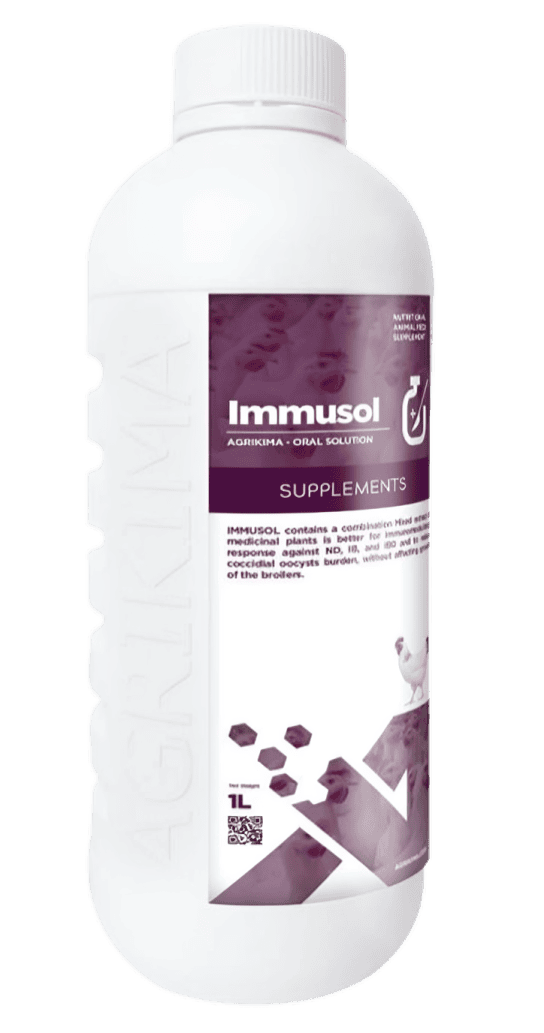
In addition to biosecurity measures, consider using quality veterinary products and supplements to boost the overall health of your pigs. Nutritional supplements can enhance immunity, making your herd less susceptible to diseases, including ASF. Consult with a veterinarian to select the best products for your pigs.
Emergency Preparedness
Having an emergency response plan in place can make a significant difference in managing an ASF outbreak. This plan should include:
- Contact information for local veterinary services and authorities
- Protocols for isolating infected animals
- Steps for proper disposal of carcasses
- Communication strategies for informing stakeholders
Regularly review and update your emergency plan to ensure it remains effective.
Conclusion
Preventing African Swine Fever on small pig farms requires a proactive approach focused on biosecurity and education. By implementing these strategies, monitoring your herd's health, and utilizing quality veterinary products, you can protect your pigs from this devastating disease. Stay informed and prepared to ensure the long-term success of your pig farming operations.
Your message to the team
Sources: Read More
- Disease Alert: African Swine Fever — Animal and Plant Health Inspection Service (APHIS)
- Preventive measures aimed at minimizing the risk of African swine fever virus spread in pig farming systems — Acta Veterinaria Scandinavica
- Small Farm and Pig Owners — Animal and Plant Health Inspection Service (APHIS)
- African swine fever: A review of cleaning and disinfection procedures in commercial pig holdings — Research in Veterinary Science
- 6 Key Prevention Steps — Animal and Plant Health Inspection Service (APHIS)