Preventing Blackquarter and Anthrax Through Vaccination
Understanding Blackquarter and Anthrax
Blackquarter and anthrax are two serious diseases that can have devastating effects on livestock, particularly cattle. Both conditions can lead to sudden death and significant economic losses for farmers. Vaccination is a critical strategy for preventing these diseases, ensuring the health of your herd, and safeguarding your investment.
What is Blackquarter?
Blackquarter, also known as blackleg, is caused by the bacterium Clostridium chauvoei. This clostridial disease primarily affects young cattle, leading to sudden death due to severe muscle damage and toxin release. Vaccination is recognized as the most effective preventive measure against blackquarter, particularly in at-risk populations.
What is Anthrax?
Anthrax is caused by the bacterium Bacillus anthracis and can affect both domestic and wild animals. It is a zoonotic disease, meaning it can also infect humans. In livestock, anthrax typically presents with sudden death, fever, and swelling. Vaccination is crucial in areas where anthrax is endemic, as it is the most effective means of controlling the disease.
The Importance of Vaccination
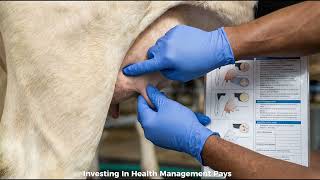
Vaccination against blackquarter and anthrax is a proactive approach to safeguard your cattle's health. Here are several reasons why vaccination is essential:
- Protects Against Fatal Diseases: Both blackquarter and anthrax can lead to rapid mortality in affected animals. Vaccination reduces this risk significantly.
- Cost-Effective: The cost of vaccination is far less than the potential loss of livestock due to these diseases. Investing in vaccines can save farmers money in the long run.
- Improves Herd Health: A vaccinated herd is generally healthier, which can lead to increased productivity and better overall performance.
- Compliance with Regulations: In many regions, vaccination against these diseases is a regulatory requirement. Keeping your herd vaccinated ensures compliance with local laws.
Best Practices for Vaccination
To effectively prevent blackquarter and anthrax, consider the following best practices when implementing a vaccination program:
1. Consult Your Veterinarian
Before starting any vaccination program, consult with a qualified veterinarian. They can provide guidance on the appropriate vaccines for your herd and help establish an effective vaccination schedule tailored to your specific needs.
2. Follow Vaccination Schedules
Adhere to a strict vaccination schedule. For blackquarter, calves should typically receive their first vaccination at 3-4 months of age, followed by a booster shot at 6-8 months. For anthrax, vaccination may be recommended annually or biannually depending on the risk in your area.
3. Choose High-Quality Vaccines
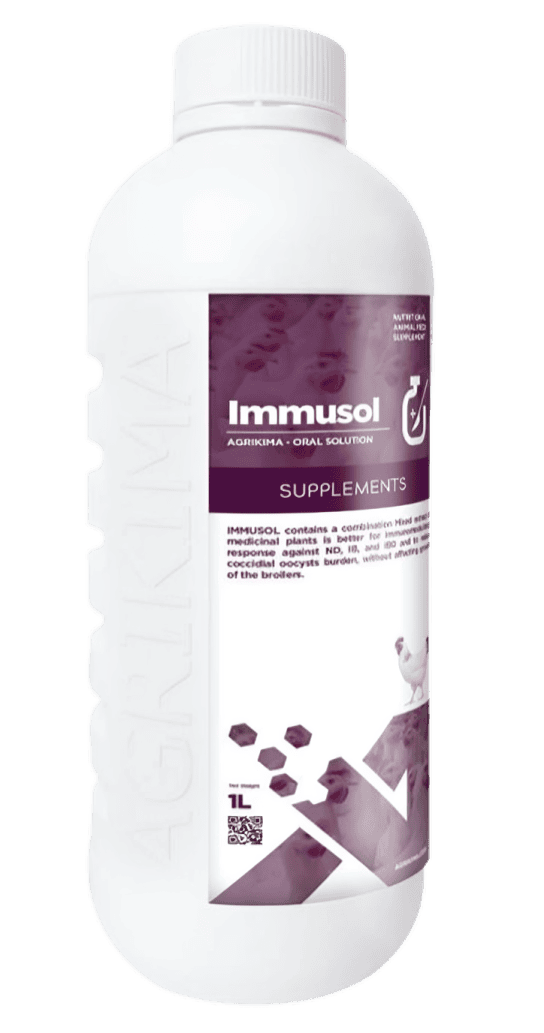
Select vaccines from reputable manufacturers. Quality veterinary products and supplements can significantly enhance your vaccination program's effectiveness. Agrikima offers a range of natural animal health solutions that can complement vaccination efforts.
4. Monitor Your Herd
After vaccination, closely monitor your herd for any adverse reactions or signs of illness. Early detection of health issues can lead to quicker interventions and better outcomes.
5. Maintain Good Biosecurity Practices
In addition to vaccination, good biosecurity practices are essential. Ensure your farm has proper sanitation procedures, limit access to outsiders, and regularly monitor for signs of disease. This multi-faceted approach helps to protect your cattle from various infections, including blackquarter and anthrax.
Conclusion
Preventing blackquarter and anthrax through vaccination is a vital part of cattle management. By implementing a robust vaccination program, consulting your veterinarian, and maintaining biosecurity measures, you can significantly reduce the risk of these deadly diseases in your herd. Remember, a healthy herd is a productive herd. Invest in the health of your cattle today to ensure a prosperous future for your farm.
Your message to the team
Sources: Read More
- Anthrax in Animals — Centers for Disease Control and Prevention
- Blackleg in Cattle — Merck Veterinary Manual
- Anthrax Prevention in Livestock — Food and Agriculture Organization of the United Nations
- Clostridial Diseases in Cattle — Purdue University Extension
- Anthrax: A Disease of Livestock and Humans — USDA Animal and Plant Health Inspection Service
- Blackleg in Cattle — North Dakota State University Extension