Preventing Milk Fever Around Calving: A Guide
Understanding Milk Fever
Milk fever, also known as hypocalcaemia, is a metabolic disorder commonly encountered in dairy cows around the time of calving. It is characterized by low blood calcium levels, which can lead to severe health complications for both the cow and her calf. Understanding how to prevent this condition is crucial for maintaining calving cow health and ensuring a smooth transition into lactation.
Causes of Milk Fever
Milk fever typically occurs when a cow’s calcium demand spikes at calving, coinciding with the onset of lactation. This increased demand is not met due to insufficient calcium mobilization from the bone or inadequate dietary calcium intake prior to calving.
Signs to Watch For
Recognizing the early signs of milk fever can be vital for timely intervention. Symptoms can include:
- Weakness or inability to stand
- Tremors or muscle twitching
- Cold extremities
- Loss of appetite
- Swollen uterus in severe cases
Being observant during the calving period allows for early detection and treatment, which is critical for recovery.
Dietary Management for Milk Fever Prevention
One of the most effective strategies for milk fever prevention is dietary management during the dry period. Here are some practical tips:
1. Implement a Low-Calcium Diet Pre-Calving
Feeding a low-calcium diet in the weeks leading up to calving encourages the cow's body to mobilize calcium from her bones more effectively. This approach primes her for the calcium demands of lactation.
2. Use Anionic Salts
Incorporating anionic salts in the diet can help acidify the cow’s blood, which may enhance calcium mobilization. Consult with a nutritionist to determine the appropriate levels for your herd.
3. Provide Adequate Magnesium
Magnesium plays a vital role in calcium metabolism. Ensuring that your cows receive adequate magnesium in their diet can help prevent milk fever.
4. Monitor Body Condition Score
Maintaining an ideal body condition score (BCS) for your cows can influence their overall health and nutritional status. Cows that are too thin or too fat are at higher risk for metabolic disorders like milk fever. Aim to keep their BCS between 2.5 and 3.5, adjusting their diet accordingly.
Post-Calving Management
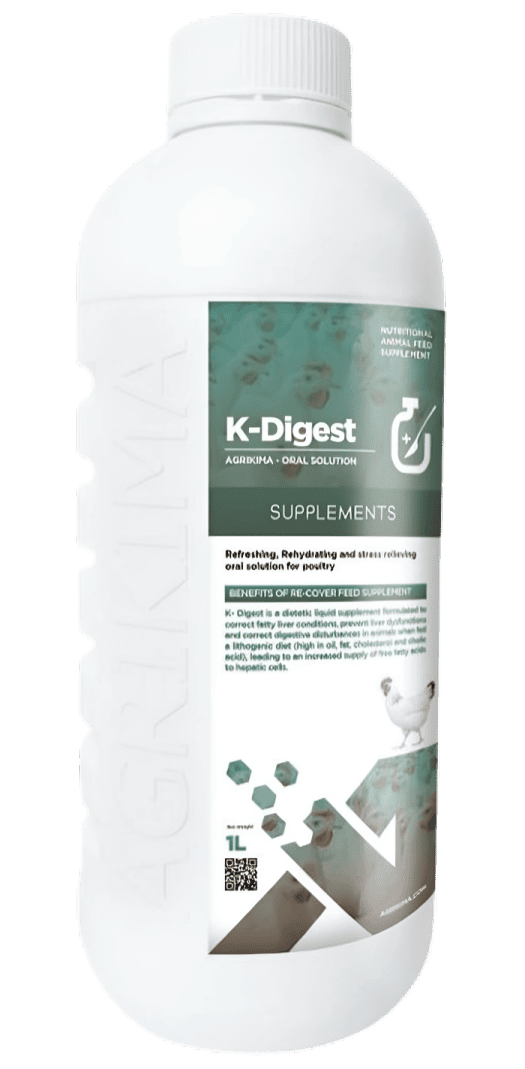
After calving, it's essential to continue monitoring the cow's calcium levels. Providing a high-quality mineral supplement that includes calcium and magnesium can support her recovery and lactation. Agrikima offers various supplements designed to enhance cow health during this critical period.
Regular Health Checks and Monitoring
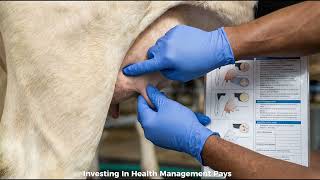
Regular veterinary health checks can help identify cows at risk before they calve. Keeping track of each cow's health history can assist in predicting potential issues related to dairy calving management and milk fever. Early intervention can significantly reduce the risk of complications.
Conclusion
Preventing milk fever around calving requires careful dietary planning and management. By implementing low-calcium diets during the dry period, monitoring body condition, and providing appropriate mineral supplements, dairy farmers can improve calving cow health and overall productivity. Remember, investing in quality veterinary products can greatly impact the health of your herd and the success of your dairy operation.
Your message to the team
Sources: Read More
- Milk Fever in Dairy Cows — Farmer's Weekly
- Milk Fever in Dairy Cows: Causes, Treatment, and Prevention — Farm Health Online
- Milk Fever in Dairy Cows — Queensland Government Department of Agriculture and Fisheries
- Milk Fever in Dairy Cows — Farmers Weekly
- Milk Fever in Dairy Cows — New South Wales Department of Primary Industries