Preventing Pork Cysticercosis: Protecting Your Carcasses
Understanding Pork Cysticercosis
Pork cysticercosis, caused by the larvae of the pig tapeworm Taenia solium, poses a significant threat to both animal health and meat safety. This condition occurs when pigs ingest eggs from contaminated food or water, leading to the development of cysts in their tissues. If these infected pigs are slaughtered, their carcasses may be condemned due to health risks associated with consuming contaminated meat.
Why Preventing Cysticercosis Matters
Cysticercosis leads to substantial economic losses in the pig industry, not just from condemned pork carcasses but also from reduced productivity and increased veterinary costs. The public health implications are serious as well, with potential transmission to humans if they consume undercooked pork containing viable cysts. Thus, implementing effective pork cysticercosis prevention strategies is crucial for farmers.
Key Strategies for Pork Cysticercosis Prevention
To effectively prevent pork cysticercosis and ensure the health of your pigs, consider the following strategies:
1. Improved Sanitation
- Ensure that pig pens are clean and well-maintained to minimize the risk of contamination. Regular cleaning and disinfection can help reduce the presence of the parasite.
- Provide proper latrines for workers and encourage their use to prevent contamination from human waste, which is a primary source of Taenia solium eggs.
2. Vaccination
Vaccination plays a critical role in preventing cysticercosis. The TSOL18 vaccine has been shown to be effective in reducing the incidence of Taenia solium in pigs. Consult with a veterinarian to implement vaccination programs tailored to your herd.
3. Regular Deworming
Implement a regular deworming schedule for your pigs using effective treatments such as oxfendazole. This can help eliminate any existing larvae and prevent new infections.
4. Meat Inspection
Ensure that all pigs are subjected to thorough meat inspection before and after slaughter. This is essential for identifying any signs of cysticercosis and preventing infected carcasses from entering the food chain.
5. Proper Cooking of Pork
- Educate consumers about the importance of cooking pork thoroughly. Cooking pork to an internal temperature of at least 145°F (63°C) kills any viable cysts that may be present.
- Encourage proper food handling practices to avoid cross-contamination in kitchens and food preparation areas.
6. Community Education
Educating the community about the risks of cysticercosis and promoting good hygiene practices can significantly reduce the incidence of the disease. Workshops and informational materials can help raise awareness about the importance of sanitation and the proper handling of pork products.
7. Keeping Pigs in Pens
Keeping pigs confined in clean pens reduces their chances of coming into contact with contaminated soil or water. This practice limits their exposure to potential sources of infection and supports overall herd health.
Benefits of Quality Veterinary Products
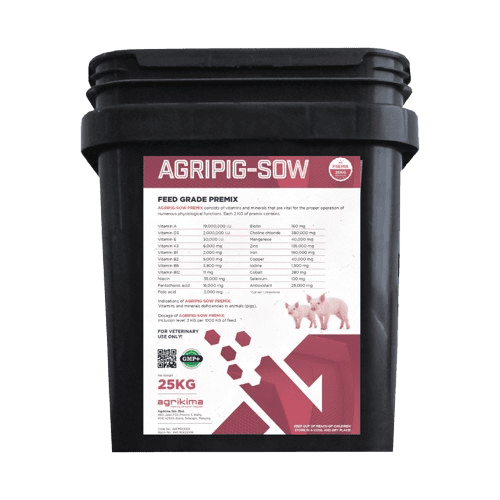
Using high-quality veterinary products, such as supplements that support overall pig health and immune function, can enhance the effectiveness of your cysticercosis prevention strategies. Agrikima offers a range of natural animal health solutions that can assist in maintaining your herd’s health and productivity.
Conclusion
Preventing pork cysticercosis is crucial for maintaining the health of your pigs and the safety of your pork products. By implementing sanitation measures, vaccination programs, regular deworming, and meat inspections, you can significantly reduce the risk of condemned pork carcasses at the slaughterhouse. Together, these strategies form a comprehensive approach to safeguarding your livestock and ensuring public health.
Your message to the team
Sources: Read More
- Taeniasis/cysticercosis fact sheet — World Health Organization (WHO)
- How to prevent the pork tapeworm? (poster) — FAO / OIE / WHO
- Manual on meat inspection for developing countries – Cysticercosis section — Food and Agriculture Organization (FAO)
- Veterinary public health activities at FAO: Cysticercosis and echinococcosis — FAO (via ScienceDirect peer‑reviewed article)
- About Cysticercosis — Centers for Disease Control and Prevention (CDC)
- Implementing Taenia solium control programmes – monitoring and evaluation framework — World Health Organization (WHO)