Preventing and Treating Mastitis in Dairy Cows
Understanding Mastitis in Dairy Cows
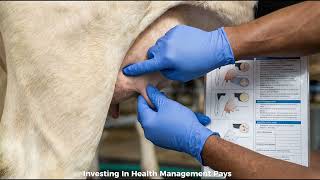
Mastitis is an udder infection that affects dairy cows, leading to significant economic losses due to decreased milk quality and production. It occurs when bacteria invade the udder tissue, causing inflammation. Understanding how to prevent and treat this condition is crucial for maintaining dairy health and ensuring high-quality milk.
Signs of Mastitis
Identifying mastitis early can help in implementing effective mastitis treatment for dairy cows. Look for the following signs:
- Swelling or hardness of the udder
- Heat in the affected quarter
- Pain when touching the udder
- Changes in milk appearance (clots, discoloration)
- Reduced milk yield
- Fever or general malaise in the cow
Causes of Mastitis
Understanding the causes of mastitis is key to effective prevention and treatment. Common causes include:
- Environmental bacteria (e.g., from bedding or feces)
- Injury to the udder during milking
- Poor milking hygiene practices
- Stress due to poor nutrition or management
Prevention Strategies
Prevention is always better than treatment when it comes to mastitis. Here are practical tips for dairy farmers:
1. Maintain Good Milking Hygiene
Ensure that milking equipment is cleaned and sanitized regularly. Train workers on proper milking techniques to minimize trauma to the udder.
2. Provide Proper Nutrition
Feed your dairy cows a balanced diet rich in vitamins and minerals. High-quality feed can improve overall health and resistance to infections.
3. Regular Health Checks
Conduct regular health checks on your cows to detect early signs of mastitis. This includes monitoring milk quality and udder condition.
4. Manage Cow Comfort
Ensure cows have a comfortable living environment. Clean bedding, proper ventilation, and adequate space can reduce stress and the risk of infections.
Treatment Options for Mastitis
If mastitis occurs, prompt treatment is essential. Here are some effective mastitis treatment options for dairy cows:
1. Antibiotic Therapy
Veterinary professionals often recommend antibiotics for treating bacterial infections in the udder. Always consult a veterinarian to choose the right product and dosage.
2. Anti-inflammatory Medications
Non-steroidal anti-inflammatory drugs (NSAIDs) can help reduce pain and inflammation. These should also be administered under veterinary guidance.
3. Quality Veterinary Products
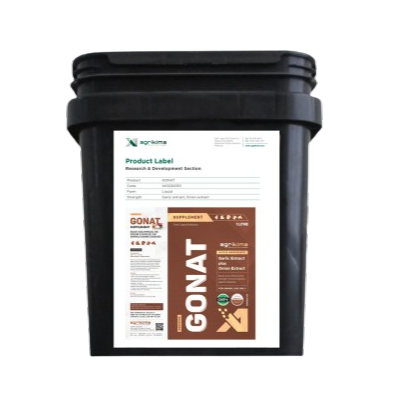
Consider using high-quality veterinary supplements and products designed specifically for udder health. These can support recovery and improve milk quality.
4. Milking Management
Adjust milking frequency and technique for affected cows to minimize stress on the udder. Use a gentle approach to milking to avoid further injury.
Monitoring and Post-Treatment Care
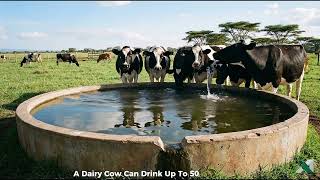
After treatment, it’s crucial to monitor the cow’s recovery closely. Regularly check the udder for swelling and changes in milk quality. Ensure that the cow is receiving adequate nutrition and hydration to support healing.
Conclusion
Preventing and treating mastitis in dairy cows is essential for maintaining dairy health and ensuring high milk quality. By implementing good management practices and utilizing quality veterinary products, farmers can significantly reduce the incidence of mastitis and improve the overall health of their herd.