Preventing and Treating Parvovirus in Puppies
Understanding Parvovirus in Puppies
Canine parvovirus is a highly contagious viral disease that can produce a life-threatening illness in puppies and dogs. It primarily affects rapidly dividing cells in the intestines, bone marrow, and lymphoid tissues, making puppies particularly vulnerable between six weeks and six months of age. As a puppy owner, understanding how to prevent and treat this disease is crucial for your pet's health.
Signs and Symptoms of Parvovirus
Puppies infected with parvovirus may show several symptoms, including:
- Severe vomiting
- Diarrhea, often bloody
- Loss of appetite
- Fever
- Lethargy
If you notice these symptoms, it’s essential to consult a veterinarian immediately, as early treatment can be critical.
Preventing Parvovirus in Puppies
The best way to prevent parvovirus infection is through proper vaccination of puppies and adult dogs. Here are some actionable tips to ensure your puppy stays protected:
1. Vaccination
Ensure your puppy receives vaccinations according to the recommended schedule. The first vaccine is usually given at 6-8 weeks, followed by boosters every 3-4 weeks until they are 16 weeks old. Consult your veterinarian for a personalized vaccination plan.
2. Limit Exposure
Keep your puppy away from public places such as parks until they have completed their vaccination series. This reduces the risk of exposure to the virus, which can survive in the environment for months.
3. Disinfection
Regularly clean and disinfect areas where your puppy plays or stays. Use a bleach solution (1 part bleach to 30 parts water) to disinfect surfaces that may be contaminated.
4. Socialization
While it’s important to limit exposure to potentially infected dogs, socialization is crucial for your puppy's development. Arrange playdates with vaccinated dogs to help your puppy develop social skills safely.
Treatment for Parvovirus
If your puppy contracts parvovirus, immediate veterinary care is essential. Treatment is generally supportive and may include:
1. Intravenous Fluids
Dehydration is a common complication due to vomiting and diarrhea. Intravenous fluids help maintain hydration and electrolyte balance.
2. Antiemetics
Medications to control vomiting may be prescribed to help your puppy keep fluids down.
3. Antibiotics
Antibiotics are often used to prevent secondary bacterial infections, which can occur due to the weakened immune system caused by the virus.
4. Nutritional Support
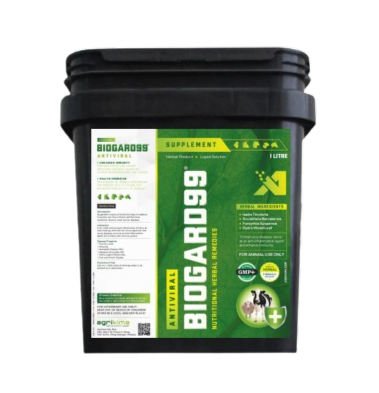
Once your puppy stabilizes, your veterinarian may recommend a special diet or supplements to support recovery. Quality veterinary products designed for digestive health can be beneficial.
Aftercare for Puppies Recovering from Parvovirus
After recovery, it’s important to continue monitoring your puppy’s health and provide a supportive environment:
- Gradually reintroduce food after your veterinarian's approval, starting with bland diets.
- Keep your puppy’s living area clean and continue disinfection protocols.
- Monitor for any signs of relapse or other health issues.
Conclusion
Parvovirus in puppies is a serious concern, but with proper prevention and prompt treatment, you can protect your furry friend. Ensure vaccinations are up to date, maintain a clean environment, and seek veterinary assistance at the first sign of illness. Investing in quality veterinary products and supplements can also aid in your puppy's recovery and overall health. By taking these precautions, you can help your puppy lead a happy and healthy life.
Your message to the team
Sources: Read More
- Canine Parvovirus: Prevention and Treatment — American Veterinary Medical Association
- Canine Parvovirus Infection in Dogs — Centers for Disease Control and Prevention
- Canine Parvovirus: Symptoms, Diagnosis, and Treatment — Merck Veterinary Manual
- Canine Parvovirus Infection — Cornell University College of Veterinary Medicine
- Canine Parvovirus — American Kennel Club
- Canine Parvovirus: A Review of Epidemiology and Pathogenesis — National Center for Biotechnology Information