Preventing Worm Infestation in Sheep and Goats
Understanding Worm Infestation in Sheep and Goats
Worm infestations are a common concern among sheep and goats, significantly impacting their health and productivity. Internal parasites can lead to weight loss, poor growth rates, and even death if not managed properly. It is crucial for farmers to understand the types of worms that affect small stock and the best practices for deworming sheep and goats.
Types of Internal Parasites
Several types of internal parasites can affect sheep and goats, including:
- Gastrointestinal Nematodes: These are the most common internal parasites, including species like Haemonchus contortus (barber's pole worm) and Teladorsagia circumcincta (brown stomach worm).
- Coccidia: While not a worm, coccidia can cause similar symptoms and should be managed alongside worm infestations.
- Tapeworms: These can also be present and may cause digestive issues.
Signs of Worm Infestation
Farmers should be vigilant for signs of worm infestation in their sheep and goats. Common symptoms include:
- Weight loss and poor body condition
- Decreased appetite
- Diarrhea
- Severe lethargy
- Poor wool or coat condition
Effective Deworming Strategies
Implementing a proper deworming schedule is essential for preventing worm infestations. Here are some effective strategies:
1. Regular Fecal Testing
Before deciding on a deworming plan, conduct regular fecal tests to monitor the level of parasite eggs in the manure. This will help determine the necessity and timing of deworming treatments.
2. Use of Anthelmintics
Anthelmintics are medications specifically used to treat worm infestations. Make sure to consult a veterinarian to select the most appropriate anthelmintic for your flock. Rotate between different classes of anthelmintics to prevent resistance.
3. Develop a Deworming Schedule
Create a deworming schedule based on the life cycle of the parasites in your area. Generally, deworming should occur:
- At weaning
- Before breeding
- In spring and fall, or as needed based on fecal tests
4. Pasture Management
Effective pasture management can significantly reduce the risk of worm infestations:
- Rotational Grazing: Move sheep and goats to new pastures regularly to break the life cycle of worms.
- Rest Pastures: Allow pastures to rest for several weeks to reduce parasite load.
- Maintain Clean Feeding Areas: Regularly clean feeding areas to minimize fecal contamination.
5. Nutrition and Supplements
Providing high-quality nutrition is vital for maintaining healthy immune systems in sheep and goats. Consider adding supplements to their diet to enhance their overall health. Quality veterinary products can help with:
- Boosting immune response
- Improving digestion
- Enhancing nutrient absorption
6. Monitor Body Condition
Regularly check the body condition of your sheep and goats. Maintaining a healthy weight can prevent severe infestations from taking hold.
Natural Remedies
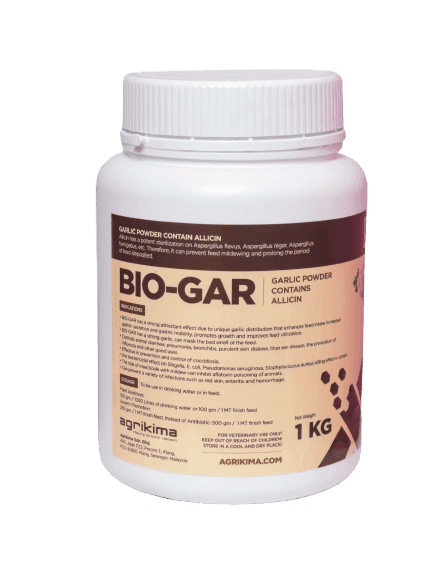
In addition to conventional deworming methods, some farmers may explore natural remedies. While the efficacy of these methods can vary, options like garlic and pumpkin seeds are often considered. Always consult with a veterinarian before introducing any natural treatments to ensure they are safe and effective.
Conclusion
Preventing worm infestation in sheep and goats requires a multi-faceted approach that includes regular monitoring, strategic deworming, and effective pasture management. By implementing these practices, farmers can maintain the health and productivity of their small stock while minimizing the risk of internal parasites. Remember, quality veterinary products and supplements play a crucial role in supporting animal health and preventing infestations.