Probiotics and Prebiotics: Cutting Antibiotics Naturally
Introduction
In the modern agricultural landscape, livestock health is paramount. Farmers are increasingly seeking natural antibiotic alternatives to maintain the health of their animals while ensuring productivity and profitability. One effective approach is the use of probiotics and prebiotics in animal feed. This article delves into how these natural supplements can cut down antibiotic use and promote gut health in livestock.
Understanding Probiotics and Prebiotics
Probiotics are live microorganisms that, when administered in adequate amounts, confer health benefits to the host. Common strains used in livestock include Lactobacillus, Bifidobacterium, and Saccharomyces. These beneficial bacteria modulate the gut microbiota, enhancing the gut barrier and regulating the immune system in livestock.
On the other hand, prebiotics are non-digestible food ingredients that promote the growth of beneficial bacteria in the gut. They selectively stimulate the growth and activity of these microbes, leading to improved gut health and animal performance.
The Importance of Gut Health in Livestock
A healthy gut is crucial for livestock as it impacts their overall health, growth, and productivity. The gut microbiota plays a significant role in:
- Enhancing nutrient digestion and absorption
- Regulating the immune response
- Suppressing pathogenic bacteria
- Improving overall animal welfare
By incorporating gut health supplements like probiotics and prebiotics into animal feed, farmers can foster a more resilient gut environment, reducing the reliance on antibiotics.
How Probiotics and Prebiotics Cut Antibiotics Naturally
Using probiotics and prebiotics as part of an animal’s diet can significantly minimize the need for antibiotics. Here’s how:
1. Enhancing Immune Function
Probiotics help strengthen the gut barrier, which is the first line of defense against pathogens. A robust gut barrier prevents harmful microbes from entering the bloodstream, thereby reducing infection rates. This means fewer cases of illness and, consequently, less need for antibiotic treatment.
2. Competitive Exclusion of Pathogens
Probiotics can outcompete harmful bacteria for resources and space in the gut. This competitive exclusion helps to lower the incidence of infections, which often necessitate antibiotic use.
3. Improved Nutrient Absorption
By improving digestion and nutrient absorption, probiotics enhance the overall health and productivity of livestock. Healthier animals are less prone to disease, which reduces the need for antibiotics.
4. Stress Reduction
Stress in livestock can lead to a weakened immune system, making them more susceptible to infections. Probiotics help manage stress levels in animals, promoting better health and reducing the likelihood of antibiotic use.
Integrating Probiotics and Prebiotics into Livestock Diets
To effectively incorporate probiotics and prebiotics into livestock diets, consider the following practical tips:
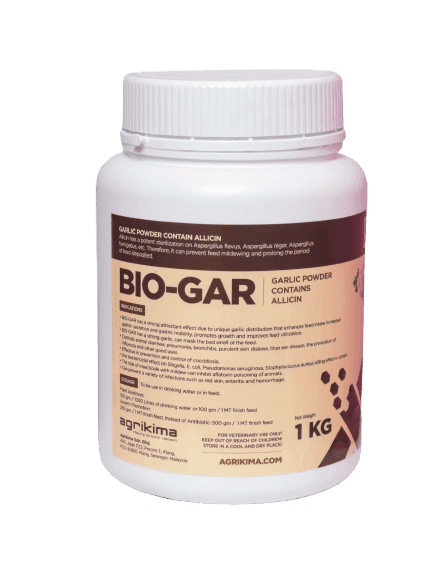
- Choose Quality Products: Select high-quality probiotics and prebiotics that are specifically formulated for livestock. Agrikima offers a range of natural animal health solutions that can help improve gut health.
- Gradual Introduction: Introduce probiotics and prebiotics gradually to avoid digestive upset. Monitor livestock for any changes in behavior or health.
- Combine with Balanced Diet: Ensure that the overall diet is well-balanced, as probiotics and prebiotics work best when combined with proper nutrition.
- Regular Monitoring: Keep track of livestock health and performance metrics to assess the effectiveness of probiotic and prebiotic integration.
Challenges and Considerations
While probiotics and prebiotics offer numerous benefits, there are some challenges to consider:
- Regulatory Compliance: Ensure that the probiotics used comply with local regulations regarding feed additives.
- Strain Selection: Not all probiotics are equally effective. Selecting the right strain for specific livestock and conditions is crucial for achieving desired outcomes.
- Cost Considerations: Although natural alternatives can reduce antibiotic costs over time, the initial investment in probiotics and prebiotics may be higher. However, the long-term savings from reduced veterinary costs can offset this expense.
Conclusion
Incorporating probiotics for livestock and prebiotics in animal feed is a powerful strategy for enhancing gut health and reducing antibiotic use. By improving immunity, suppressing harmful bacteria, and promoting better digestion, these natural supplements can contribute to healthier livestock and more sustainable farming practices. Embracing these natural alternatives not only benefits the animals but also aligns with growing consumer demand for antibiotic-free animal products.
For farmers looking to make the shift, quality veterinary products and supplements, like those offered by Agrikima, can provide effective solutions for integrating probiotics and prebiotics into livestock diets.
Your message to the team
Sources: Read More
- The Role of Probiotics, Prebiotics, Synbiotics, and Postbiotics in Livestock and Poultry Gut Health: A Review — PubMed
- Gut health management in livestock: roles of probiotics, prebiotics, and synbiotics in growth, immunity, and microbiota modulation — PubMed
- Probiotics beyond the farm: Benefits, costs, and considerations of using antibiotic alternatives in livestock — Frontiers in Antibiotics
- Beyond probiotics: Exploring the potential of postbiotics and parabiotics in veterinary medicine — ScienceDirect
- Probiotics, prebiotics, and synbiotics in animal and poultry nutrition — ScienceDirect
- Treatment, promotion, commotion: antibiotic alternatives in food-producing animals — ScienceDirect