Probiotics and Prebiotics for Livestock Gut Health
Understanding Gut Health in Livestock
The gut microbiome plays a crucial role in the health and productivity of livestock. A balanced gut microbiome helps in the digestion of nutrients, absorption of vitamins, and overall immune function. However, the overuse of antibiotics in animal farming can disrupt this delicate balance, leading to antibiotic resistance and health issues.
What Are Probiotics and Prebiotics?
Probiotics are live microorganisms that provide health benefits when consumed in adequate amounts. They support gut health by enhancing the growth of beneficial bacteria in the gut. Prebiotics, on the other hand, are non-digestible food ingredients that promote the growth and activity of beneficial gut bacteria.
How Probiotics and Prebiotics Benefit Livestock
Incorporating probiotics and prebiotics into livestock feed can significantly improve gut health without the need for antibiotics. Here are some key benefits:
- Improved Digestive Health: Probiotics help in breaking down feed and enhancing nutrient absorption, leading to better growth rates and feed efficiency.
- Enhanced Immune Function: A healthy gut microbiome contributes to stronger immune responses, reducing the incidence of diseases.
- Reduction in Antibiotic Use: Regular use of probiotics and prebiotics can decrease the reliance on antibiotics, addressing concerns about antimicrobial resistance.
- Improved Animal Performance: Animals that receive probiotics and prebiotics often show better weight gain and overall health, translating to increased productivity for farmers.
Choosing the Right Probiotics and Prebiotics
When selecting probiotics and prebiotics for livestock, consider the following factors:
- Species-Specific Formulations: Ensure that the products are designed specifically for the type of livestock you are raising, whether it's dairy, poultry, or other livestock.
- Quality and Viability: Look for products that guarantee the viability of probiotic strains until the expiration date.
- Combination Products: Synbiotic feeds, which combine probiotics and prebiotics, can be particularly effective in enhancing gut health.
Practical Tips for Implementing Probiotics and Prebiotics
Here are some actionable strategies for farmers looking to integrate probiotics and prebiotics into their livestock management:
- Consult with a Veterinarian: Before introducing any new supplements, consult with a veterinary expert to tailor the approach to your livestock's specific needs.
- Start Gradually: Introduce probiotics and prebiotics slowly into the diet to monitor how your livestock responds. This helps in minimizing digestive upsets.
- Monitor Health Indicators: Keep track of your livestock's health, growth rates, and overall performance after introducing these supplements.
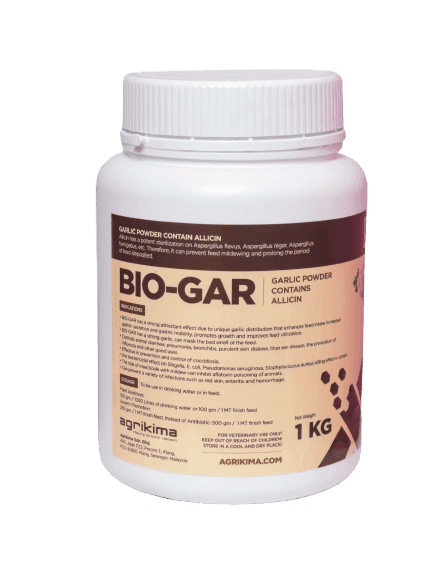
- Use Quality Products: Purchase high-quality veterinary products from reputable sources like Agrikima, ensuring that they are formulated for optimal gut health.
- Educate Your Team: Ensure that all farm staff are aware of the benefits of probiotics and prebiotics, and how to administer them properly.
Conclusion
Utilizing probiotics and prebiotics in livestock management can lead to significant improvements in gut health, animal performance, and reduced antibiotic use. By focusing on enhancing the gut microbiome naturally, farmers not only support the well-being of their animals but also contribute to sustainable farming practices. For high-quality veterinary products and supplements that promote gut health, consider choosing solutions from Agrikima.
Your message to the team
Sources: Read More
- Probiotics and Prebiotics in Animal Health — Food and Agriculture Organization of the United Nations
- Probiotics and Prebiotics in Animal Nutrition and Health — National Center for Biotechnology Information
- Probiotics and Prebiotics in Animal Health and Food Safety — National Center for Biotechnology Information
- Probiotics and Prebiotics in Animal Health — National Center for Biotechnology Information
- Probiotics and Prebiotics in Animal Nutrition and Health — National Center for Biotechnology Information