Essential Tips for Puppy Parvovirus Prevention
Understanding Puppy Parvovirus
Puppy parvovirus prevention is critical for any pet owner, especially those with young dogs. Canine parvovirus is a highly contagious virus that primarily affects puppies, particularly those under four months old, making them the most vulnerable. This virus can lead to severe health issues, including life-threatening dehydration due to vomiting and diarrhea.
Why Vaccination is Key
The most effective way to prevent parvovirus infection is through vaccination. It is crucial to ensure that your puppy receives the parvo vaccine at the appropriate times. Puppies should be vaccinated starting at six to eight weeks of age, followed by booster shots every three to four weeks until they are about 16 weeks old.
Follow a Vaccination Schedule
- First Vaccination: 6-8 weeks
- Second Vaccination: 10-12 weeks
- Third Vaccination: 14-16 weeks
After completing the vaccination series, a yearly booster is recommended to maintain immunity. Always consult your veterinarian to customize a vaccination plan for your puppy.
Maintaining Hygiene and Biosecurity
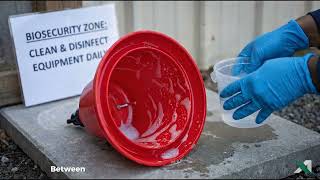
Besides vaccination, maintaining a clean environment is vital for puppy parvovirus prevention. Canine parvovirus spreads through direct contact with infected dogs or indirectly via contaminated objects. Here are some hygiene tips:
- Clean Up Quickly: Promptly clean any areas where your puppy may have been to reduce the risk of contamination.
- Limit Exposure: Avoid public places and dog parks until your puppy is fully vaccinated.
- Disinfect Surfaces: Use a bleach solution to disinfect areas where dogs may congregate.
Monitoring Your Puppy’s Health
Regular health checks and being vigilant about your puppy’s condition can help you catch any signs of illness early. Common symptoms of parvovirus include severe vomiting, diarrhea (often bloody), lethargy, and lack of appetite.
When to Seek Veterinary Help
If you notice any of these symptoms, it’s essential to contact your veterinarian immediately. Early intervention can significantly improve your puppy’s chances of recovery.
Supplements and Natural Remedies
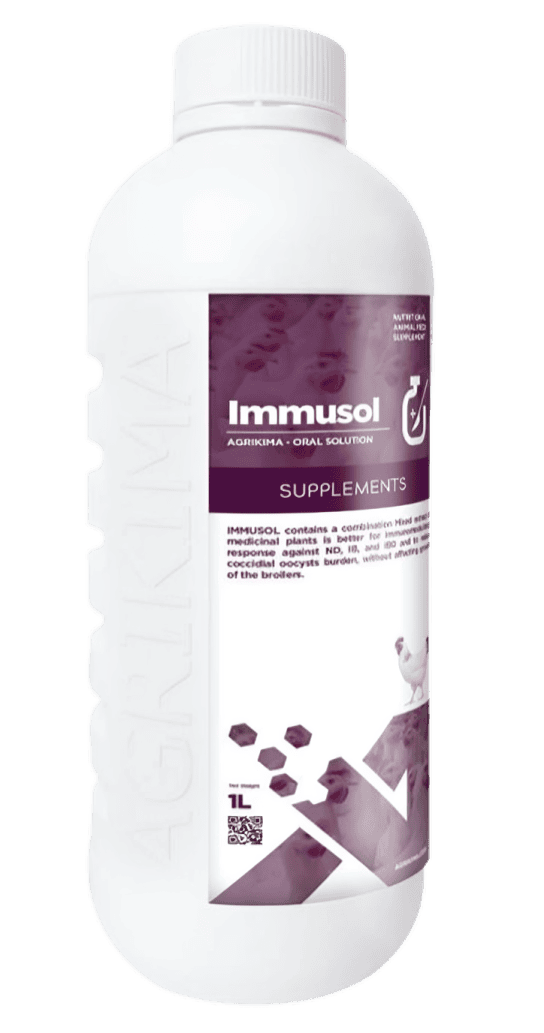
In addition to vaccinations and hygiene practices, consider incorporating quality veterinary products and supplements into your puppy’s diet. These can help bolster their immune system, making them less susceptible to infections, including the puppy diarrhoea virus.
- Probiotics: Help maintain gut health and support the immune system.
- Omega Fatty Acids: Promote skin and coat health, essential for overall well-being.
Socializing Safely
While socialization is critical for a puppy's development, it’s essential to do so safely. Avoid exposing your puppy to other dogs until they are fully vaccinated. Once they have received their vaccinations, you can begin to socialize them gradually in controlled environments.
Tips for Safe Socialization
- Choose Vaccinated Friends: Arrange playdates with vaccinated, healthy dogs.
- Controlled Environments: Visit friends’ homes where other dogs are also vaccinated.
- Observe Your Puppy: Monitor interactions to ensure they are safe and positive.
Conclusion
Protecting your puppy from parvovirus involves a combination of vaccination, hygiene, monitoring health, and safe socialization practices. By implementing these strategies, you can significantly reduce the risk of parvovirus infection. Remember, if you suspect your puppy is showing any signs of illness, don’t hesitate to consult your veterinarian for further assistance.
Your message to the team
Sources: Read More
- Canine Parvovirus: Prevention and Control — American Veterinary Medical Association
- Parvovirus in Dogs — Centers for Disease Control and Prevention
- Canine Parvovirus Infection in Dogs — Merck Veterinary Manual
- Parvovirus Infection in Dogs — Cornell University College of Veterinary Medicine
- Canine Parvovirus — American Kennel Club