How to Read a Pig Carcass Grading Sheet for Profit
Understanding Pig Carcass Grading Sheets
As a pork producer, understanding how to read a pig carcass grading sheet is crucial in maximizing your profits. The grading sheet provides essential information on pork grading, carcass yield pigs, and can help you make informed decisions about pig finishing weight.
What is a Pig Carcass Grading Sheet?
A pig carcass grading sheet is a document that outlines the quality and yield of a pig carcass after slaughter. It typically includes details such as:
- Carcass weight
- Fat thickness
- Muscle score
- Grade classification (e.g., U.S. No. 1, U.S. No. 2)
- Yield percentage
Understanding these components will enable farmers to assess their product accurately and strategize for better profitability.
Key Components of the Grading Sheet
Let's break down the key components of the grading sheet and their significance in improving your profits:
1. Carcass Weight
The carcass weight is critical in determining how much meat you can sell. Typically, heavier carcasses yield more meat, which can translate into higher profits. Aim for an ideal pig finishing weight of around 250-300 lbs, as this range generally provides optimal carcass yield pigs.
2. Fat Thickness
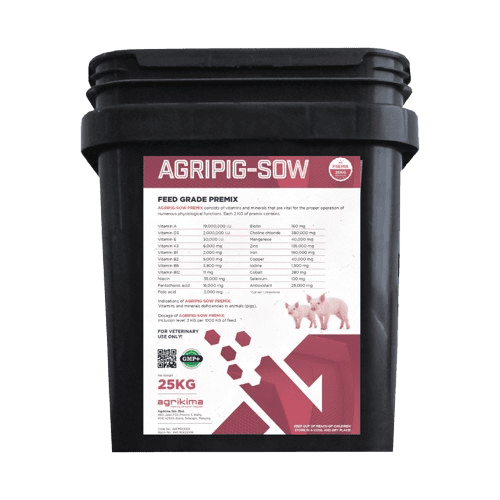
Fat thickness is measured at specific points on the carcass and is crucial for grading. A higher fat thickness may lead to lower meat quality grades. Farmers should aim for a fat thickness of about 0.5 to 0.8 inches for optimal quality. Utilizing quality veterinary products and supplements can help enhance the overall health and growth of pigs, leading to desirable fat thickness.
3. Muscle Score
The muscle score indicates the amount of muscle in the carcass relative to fat. Higher muscle scores generally correspond with better grades. You can enhance muscle development through proper nutrition, including high-quality feed additives. A muscle score of 3 or higher is generally preferred.
4. Grade Classification
Understanding the grade classification (e.g., U.S. No. 1, U.S. No. 2) helps you know the quality of your pork. Higher grades indicate better quality, which can fetch higher prices in the market. Strive to achieve at least a U.S. No. 2 grade through effective feeding strategies and health management practices.
5. Yield Percentage
Yield percentage indicates the proportion of the carcass that is usable meat. A yield percentage of 70% or higher is desirable. To improve this percentage, monitor your pigs’ feed intake and health regularly. Quality veterinary products can also help enhance feed conversion rates, leading to better yield percentages.
Practical Tips for Improving Profit through Grading Sheets
Now that you understand the components of a pig carcass grading sheet, here are some practical tips to use this information to improve your profits:
1. Monitor Finishing Weight Closely
Regularly check your pigs' weight and ensure they are achieving the optimal finishing weight. This is critical for maximizing carcass weight and yield percentage. Use a scale that can accurately measure the weight of your livestock.
2. Optimize Feeding Practices
To enhance muscle development and maintain appropriate fat thickness, formulate a balanced diet that meets the nutritional needs of your pigs. Utilizing quality feed additives and supplements can help in achieving optimal growth rates and better carcass quality.
3. Implement Health Management Strategies
Maintaining the health of your pigs is essential for achieving desirable grading outcomes. Regular vaccinations, deworming, and proper hygiene practices can prevent diseases that may hinder growth and quality. Consult with a veterinarian to develop a health plan tailored to your herd.
4. Analyze Grading Results
After each slaughter, analyze the grading sheet to identify trends and areas for improvement. If you notice consistent issues with fat thickness or muscle score, adjust your feeding or management practices accordingly.
5. Invest in Quality Genetics
Consider the genetic background of your breeding stock. Certain breeds are predisposed to better carcass quality and yield. Investing in high-quality genetics can lead to improved outcomes on your grading sheets.
Conclusion
Reading a pig carcass grading sheet effectively can significantly impact your profitability in pork production. By understanding the components of the grading sheet and implementing practical strategies, you can enhance your carcass quality, yield percentage, and overall profits. Remember, quality veterinary products and supplements play an essential role in achieving these goals, so don't hesitate to invest in your pigs' health and nutrition.