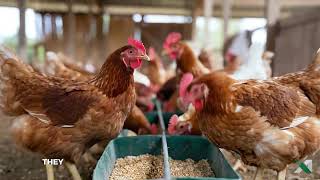
Rearing Pullets to Achieve Target Weight and Uniformity

Introduction to Pullet Rearing
Successful poultry farming starts with effective pullet rearing. Achieving the right pullet rearing target weight and ensuring flock uniformity are crucial for optimal performance at the point of lay. This article will explore strategies to rear pullets effectively, emphasizing the importance of weight and uniformity.
Understanding Target Weight and Uniformity
The target weight for pullets is a benchmark that indicates their readiness for egg production. Attaining this weight by the point of lay is vital for maximizing their egg-laying potential. Studies have shown that flocks that achieve higher body weights at 18 weeks tend to perform better during their laying cycle.
The Importance of Flock Uniformity
Flock uniformity is another critical factor. It refers to the similarity in size and weight among the birds in a flock. High uniformity (85-90%) at 16 weeks old is a strong indicator of pullet quality. Uniform flocks are less prone to stress, which can improve their overall health and productivity.
Strategies for Achieving Target Weight and Uniformity
1. Nutritional Management
The foundation of good pullet rearing is a balanced diet. Providing the right nutrients at different growth stages is essential. For instance, pullets require higher protein levels during early growth to reach their target weight effectively. Incorporating quality veterinary products and supplements can help meet these nutritional needs.
- Starter Phase (0-6 weeks): High protein (20-24%) feed to support rapid growth.
- Grower Phase (6-12 weeks): Gradually reduce protein to around 16-18% while maintaining energy levels.
- Finisher Phase (12-18 weeks): Ensure the diet supports weight gain and prepares them for laying.
2. Monitoring and Weighing Birds
Regularly weighing birds is crucial in monitoring their growth and ensuring they meet the pullet rearing target weight. Establish a weighing schedule, ideally every two weeks, to track progress and make adjustments to diet and care as necessary. This practice helps identify any outliers in growth, allowing for timely interventions.
3. Environmental Conditions
Creating optimal growing conditions is vital for achieving target weights and uniformity. Ensure proper ventilation, adequate space, and a comfortable temperature to reduce stress among pullets. Stress can lead to stunted growth and health issues, affecting overall performance.
4. Feeding Strategies
Implementing effective feeding strategies can significantly enhance flock uniformity. For example, feeding a high-fiber diet every day has been shown to improve body weight uniformity and encourage early laying. Consider using pelleted diets, which can increase feed intake and promote better growth, although they may require careful management to avoid gizzard development issues.
5. Health Management
Regular health checks and vaccinations are vital to ensure that your pullets remain healthy and free from disease. Healthy birds are more likely to reach their target weight and maintain uniformity. Incorporating quality health supplements can also support their immune systems, reducing the risk of illness.
Conclusion
Rearing pullets to achieve the ideal pullet rearing target weight and ensuring flock uniformity is essential for successful egg production. By focusing on nutritional management, monitoring growth, providing optimal environmental conditions, employing effective feeding strategies, and maintaining health, farmers can set their flocks up for success at the point of lay. Remember, quality veterinary products and supplements can enhance your rearing practices, contributing to better flock performance and profitability.
Your message to the team
Sources: Read More
- Rearing pullets with standardised phyto-molecules — Poultry World
- Multiphasic growth in the layer pullet: effects of nutrient restrictions during rearing — FAO AGRIS
- Feed restriction of rearing pullets: its effect on laying performance — FAO AGRIS
- Impact of every-day versus skip-a-day feeding of broiler breeder pullets during rearing on body weight uniformity and reproductive performance — FAO AGRIS
- Performance, Body Weight Uniformity, Feather Pecking Behavior, Bone Quality, and Intestinal Histomorphology in Pullets Fed Mash or Pelleted Diets at Different Rearing Stages — FAO AGRIS
- POULTRY INDUSTRY MANUAL — USDA APHIS