Recognising and Responding to Goat Pox Outbreaks
Understanding Goat Pox
Goat pox is a viral disease caused by the capripox virus, which affects goats and can lead to significant economic losses for farmers. This disease is characterized by various symptoms, including fever, lethargy, and the appearance of pox lesions on the skin. Recognizing these goat pox symptoms early is crucial in managing an outbreak effectively.
Recognizing Goat Pox Symptoms
Farmers should be vigilant for the following signs of goat pox:
- Fever: A sudden rise in body temperature is often the first indicator.
- Lethargy: Infected goats may show decreased activity and appetite.
- Pox lesions: These typically appear as raised, fluid-filled blisters on the skin, particularly around the face, ears, and on the body. The lesions can become crusty and may lead to secondary infections.
- Excessive salivation: Goats may drool due to mouth lesions.
Early detection of these symptoms is vital for containment. Farmers should conduct regular health checks on their goats to spot any unusual behaviors or physical signs.
Causes and Transmission
Goat pox is primarily spread through direct contact with infected animals, but it can also be transmitted via contaminated equipment, clothing, and feed. The virus can survive in the environment for extended periods, making it essential to implement strict biosecurity measures.
Responding to an Outbreak
Upon suspecting an outbreak of goat pox, immediate action is necessary to protect the rest of the herd. Here are some steps to follow:
1. Isolate Infected Animals
Immediately isolate any goats that show symptoms of goat pox. This prevents the virus from spreading to healthy animals. Create a separate area for sick goats, ensuring that they have access to food and water without contact with the rest of the herd.
2. Consult a Veterinarian
Contact a veterinarian for a proper diagnosis and treatment plan. They may recommend supportive care and possibly antiviral treatments to manage symptoms and prevent complications.
3. Implement Biosecurity Measures
Enhance your biosecurity protocols by:
- Limiting access to the farm by unauthorized personnel.
- Sanitizing equipment and clothing that may come into contact with goats.
- Regularly cleaning and disinfecting the living environment of the goats.
Vaccination as a Preventive Measure
The capripox vaccine is an effective preventive measure against goat pox. Vaccination should ideally be done before any outbreak occurs, especially in regions where the disease is common. Consult with your veterinarian about the best vaccination schedule for your herd.
Long-term Management Strategies
To manage goat pox and reduce the chance of future outbreaks, consider the following:
- Regular Health Monitoring: Conduct periodic health checks to identify any signs of illness early.
- Improving Herd Nutrition: Ensure that goats receive balanced nutrition to strengthen their immune systems. Quality supplements and feed additives can enhance overall health.
- Education and Training: Keep yourself and your staff informed about the latest disease management practices and veterinary care.
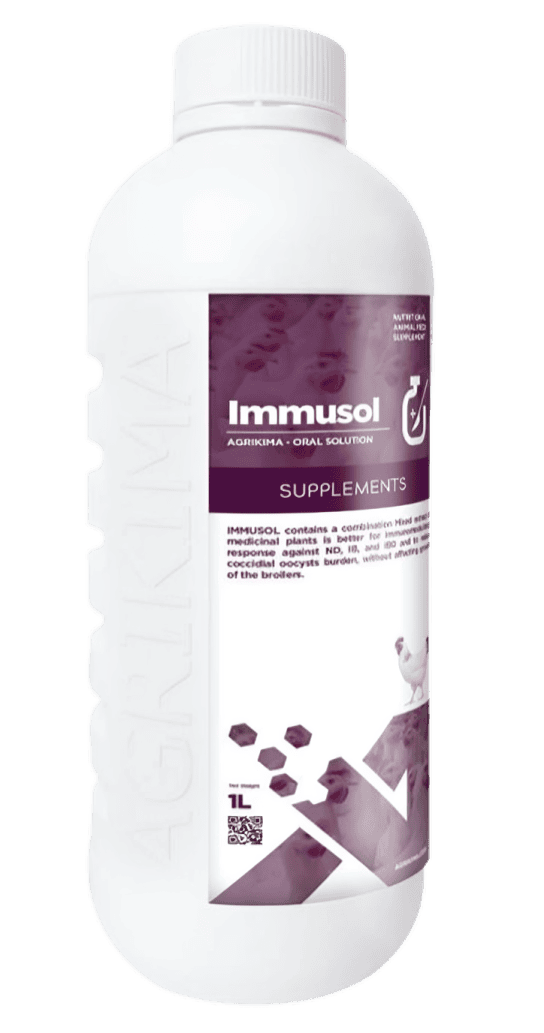
Investing in quality veterinary products can significantly contribute to the health and productivity of your goats.
Conclusion
Recognizing and responding to a goat pox outbreak is crucial for maintaining a healthy herd. By being vigilant for symptoms, implementing effective biosecurity measures, and utilizing vaccination, farmers can protect their goats from this economically significant disease. Always consult a veterinarian for guidance tailored to your specific circumstances.
Your message to the team
Sources: Read More
- Capripox (Lumpy skin disease, sheep pox, and goat pox) — FAO AGRIS
- Soremouth — Cornell University College of Veterinary Medicine
- Orf Virus in Animals — Centers for Disease Control and Prevention (CDC)
- Pathological and molecular characterization of Capripox virus outbreak in sheep and goats in Karnataka — FAO AGRIS
- Production of goat pox virus vaccine from a live attenuated goat pox virus strain — FAO AGRIS
- An investigation on pox like outbreak in goats in Kailali district of Nepal — FAO AGRIS