Reduce Feed Wastage in Piggeries Without New Equipment
Understanding Feed Wastage in Piggeries
Feed wastage in piggeries is a significant concern for farmers, affecting overall feed efficiency and increasing operational costs. Many farmers struggle with pig feeder spillage and other forms of waste. By implementing practical strategies, you can effectively reduce feed wastage in your piggery without the need for new equipment.
Identifying Sources of Feed Wastage
Before addressing feed wastage, it's essential to understand its sources. Common reasons include:
- Pig Feeder Spillage: Pigs can be messy eaters, and poorly designed feeders can lead to significant spillage.
- Overfeeding: Providing more feed than necessary can lead to waste, particularly if pigs do not consume it all.
- Inadequate Feed Storage: Feed that is improperly stored can spoil or attract pests, leading to wastage.
Strategies to Reduce Feed Wastage
1. Optimize Feeding Techniques
Adjusting how you feed your pigs can greatly minimize wastage. Consider the following:
- Schedule Regular Feeding Times: Establish a consistent feeding routine to help pigs develop a habit of eating within a set timeframe.
- Monitor Feed Amounts: Use measuring tools to ensure you are providing the right amount of feed for each pig, avoiding overfeeding.
2. Improve Feed Storage Practices
Proper storage of feed is critical to prevent spoilage and waste. Here are some tips:
- Use Airtight Containers: Store feed in airtight containers to prevent contamination and spoilage from moisture and pests.
- Keep Storage Areas Clean: Regularly clean and maintain storage areas to minimize pest infestations.
3. Utilize Feeding Techniques to Minimize Spillage
To tackle pig feeder spillage, consider the following:
- Adjust Feeder Height: Ensure feeders are at a comfortable height for pigs to reduce spillage and encourage proper eating posture.
- Use Feeders with Guards: Invest in low-cost modifications to existing feeders, such as guards that limit spillage while allowing pigs to access feed easily.
4. Implement Feed Monitoring Systems
Tracking feed consumption can help you identify patterns and areas for improvement:
- Daily Feed Logs: Maintain records of daily feed amounts and observe consumption patterns to adjust feeding strategies accordingly.
- Visual Monitoring: Regularly check the feeders to see how much feed is left; this can help you gauge the effectiveness of your feeding practices.
5. Enhance Pig Health and Nutrition
Healthy pigs are less likely to waste feed. Consider the following:
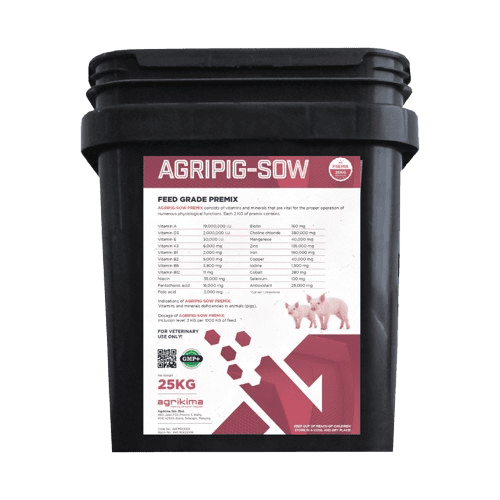
- Use Quality Supplements: Incorporate quality veterinary products and supplements that enhance digestion and nutrient absorption, improving overall feed efficiency.
- Regular Health Checks: Regular veterinary check-ups can help detect health issues early, ensuring your pigs remain healthy and productive.
6. Educate Farm Staff
Training your staff on proper feeding practices and the importance of reducing feed wastage can lead to better management:
- Conduct Training Sessions: Regularly educate staff about the importance of feed efficiency and the methods to minimize wastage.
- Encourage Accountability: Assign feeding responsibilities and encourage staff to monitor and report any issues related to feed wastage.
Conclusion
Reducing feed wastage in your piggery does not necessarily require new equipment. By optimizing feeding techniques, improving storage practices, and enhancing pig health, you can significantly increase feed efficiency for pigs while also engaging in piggery cost cutting. Implement these strategies today to improve your bottom line and promote sustainable farming practices.