Safe Disposal of Expired Veterinary Drugs on the Farm
Understanding the Importance of Safe Disposal
As a farmer, managing your veterinary medical waste is crucial not only for your safety but also for the environment. Improper disposal of expired veterinary drugs, used vials, and sharps (needles, syringes, etc.) can lead to serious health risks and ecological damage. Therefore, adhering to best practices for veterinary waste management is essential.
Why Proper Disposal Matters
Expired veterinary drugs and sharps can pose various risks:
- Health Risks: Improper disposal can lead to accidental needle sticks or exposure to hazardous pharmaceutical substances.
- Environmental Impact: Pharmaceuticals can contaminate soil and water sources if not disposed of correctly, disrupting local ecosystems.
- Legal Compliance: Many regions have regulations governing the disposal of medical waste, and failure to comply can result in penalties.
Best Practices for Disposal of Expired Veterinary Drugs
1. Segregation of Waste
Before disposal, it’s crucial to sort your veterinary waste. Separate expired drugs, used vials, and sharps into different containers. This minimizes the risk of contamination and makes disposal easier. Use:
- Rigid, puncture-resistant containers for sharps, clearly labeled as 'Sharps – Animal Treatment'.
- Leak-proof, labeled containers for expired medications.
2. Safe Storage of Unwanted Medicines
Store expired or unused medicines in a secure, dry place away from livestock and children. Use clearly labeled containers, and ensure they are leak-proof to avoid spillage. For long-term storage, consider using repurposed containers like empty paint cans, as long as they are properly sealed and labeled.
3. Disposal Methods
When it comes time for disposal, consider the following methods:
- High-Temperature Incineration: This is the recommended method for disposing of expired veterinary drugs and used vials, as it effectively destroys hazardous substances.
- Concrete Encapsulation: For sharps containers that are full, encasing them in concrete before disposal can prevent injuries.
- Take-Back Programs: Check if local veterinary clinics offer take-back programs for unused medications.
Sharps Disposal on the Farm
1. Collecting Sharps Safely
Collect used sharps immediately after use in designated containers. Never throw them in regular trash. Ensure the containers are:
- Puncture-resistant.
- Clearly labeled as 'Sharps – Animal Treatment'.
2. When to Dispose of Sharps
Dispose of sharps containers when they are three-quarters full. This helps to prevent overfilling and reduces the risk of accidental injury during handling. Always follow local regulations regarding the disposal of sharps.
Used Vials Disposal
1. Preparing Vials for Disposal
Before disposing of empty vials, make sure to:
- Remove any stoppers and lids.
- Triple-rinse the vials to minimize contamination.
2. Disposal Options for Vials
Similar to expired drugs, used vials should be disposed of through incineration, or you may check if local collection points accept them for safe disposal. Always ensure they are kept separate from regular trash to avoid any health hazards.
Implementing a Veterinary Waste Management Plan
Creating a structured veterinary waste management plan can streamline your disposal processes. Consider the following steps:
- Train staff on proper disposal methods and the importance of waste management.
- Regularly review and update your disposal protocols to comply with local regulations.
- Use quality veterinary products and supplements that come with clear disposal instructions, ensuring you follow them for safety.
Conclusion
Ensuring the safe disposal of expired veterinary drugs, vials, and sharps is not only a legal obligation but a responsibility towards your community and the environment. By following best practices for veterinary waste management, you can protect your health and that of your animals while contributing to a cleaner environment.
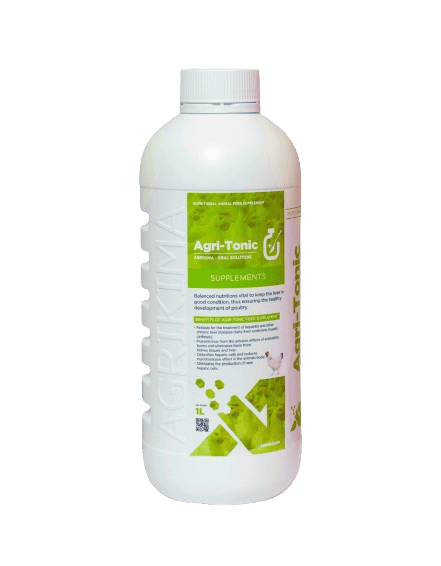
For more information and quality veterinary products, consider visiting Agrikima. Together, we can maintain a safe and healthy farming environment.
Your message to the team
Sources: Read More
- Disposal of Farm Medical Wastes – Best Environmental Management Practices — Michigan State University / Purdue University (MAEAP)
- Safe on‑farm storage of unwanted medicines and sharps — Government of Ontario (Agriculture)
- Proper on‑Farm Disposal of Veterinary Wastes — Michigan State University Extension
- Animal health and the environment (Chapter 10) — Food and Agriculture Organization (FAO)
- Safe Disposal of Unused Medicines: A One Health Approach for National Systems — United Nations Environment Programme (UNEP)
- Veterinary Medicinal Products Waste Management Guidelines — Kenya Veterinary Medicines Directorate (VMD)