Scaling a Feed Mill: From Cottage to Commercial Success
Introduction
Scaling a feed milling business can be a rewarding journey for farmers and entrepreneurs. Transitioning from cottage production to a full-scale commercial operation involves strategic planning, investment, and a deep understanding of the market. This guide will provide you with essential tips for scaling your feed milling business, optimizing your commercial feed mill setup, and achieving sustainable feed business growth.
Understanding the Basics of Feed Milling
Before diving into scaling, it's crucial to understand what a feed mill does. A feed mill produces animal feeds, including formulations for dairy, poultry, and livestock. As your business grows, the need for consistent quality and increased capacity becomes paramount.
Identifying Your Niche
Every successful feed mill starts by identifying its niche. Consider the following:
- What types of animals do you want to serve (e.g., poultry, dairy, livestock)?
- What specific nutritional needs do these animals have?
- Are there local competitors, and what gaps can your business fill?
Scaling Up: From Cottage to Commercial
The transition from a small-scale operation to a commercial feed mill requires careful planning and execution. Here are actionable steps to help you make this leap:
1. Assess Your Current Production Capacity
Evaluate your existing production capacity, including:
- Volume of feed produced per day
- Types of feeds currently offered
- Quality control measures in place
This assessment will help you identify areas for improvement and determine the scale of investment needed.
2. Invest in Equipment for Capacity Expansion
To increase your feed mill capacity, consider upgrading your equipment. Key pieces of machinery include:
- Hammer mills for grinding raw materials
- Mixers for blending ingredients
- Pellet mills for creating high-quality pellets
Investing in high-quality machinery can significantly enhance production efficiency and product quality.
3. Implement Quality Control Systems
As you scale, maintaining feed quality becomes vital. Implement stringent quality control systems to ensure:
- Consistent nutrient profiles
- Safety from contaminants (e.g., mycotoxins)
- Adherence to local regulations
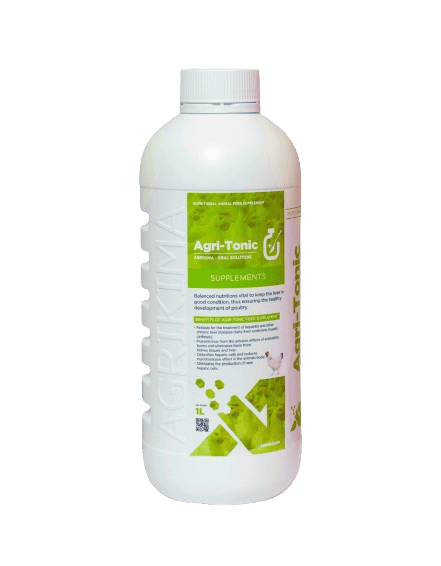
Regular testing of raw materials and finished products is essential, and utilizing quality veterinary products and supplements can help you achieve optimal feed quality.
4. Develop Relationships with Suppliers
Building strong relationships with suppliers ensures a steady flow of high-quality raw materials. Consider:
- Local farmers for fresh ingredients
- Bulk suppliers for cost-effective sourcing
- Cooperatives that can provide discounts and quality assurance
5. Expand Your Product Range
Diversifying your product offerings can attract more customers. Consider:
- Specialized formulations for specific animal breeds
- Organic or non-GMO options for health-conscious farmers
- Supplemental feeds that include veterinary products for animal health
Marketing Your Commercial Feed Mill
Once you have established your commercial operation, effective marketing strategies are essential for driving sales and achieving feed business growth.
1. Build a Strong Online Presence
Utilize social media, a dedicated website, and online advertising to reach potential customers. Share valuable content, such as:
- Feeding tips for various animals
- Success stories from satisfied customers
- Updates on new products and innovations
2. Participate in Local Agricultural Events
Engage with the farming community by participating in local agricultural fairs, trade shows, and seminars. Networking can lead to valuable partnerships and customer referrals.
3. Offer Educational Workshops
Hosting workshops on topics like feed formulation, animal nutrition, and health can position your business as an industry leader and foster customer loyalty.
Conclusion
Scaling your feed milling business from cottage production to a commercial operation is a challenging yet achievable goal. By focusing on production capacity, quality control, supplier relationships, and strategic marketing, you can set your business on a path to success. Remember, utilizing quality veterinary products and supplements will not only enhance your feed quality but also contribute to the health and productivity of the animals your customers care for. Start planning today for a brighter, more profitable future in the feed milling industry!