Selecting a Breeding Ram or Buck: Key Tips

Introduction
Choosing the right breeding ram or buck is crucial for enhancing the quality of your breeding stock in small ruminants. This decision impacts not only the genetic potential of your flock but also their overall health and productivity. This guide will cover key aspects of selecting a breeding ram or buck, focusing on conformation and fertility checks.
Understanding Conformation
Conformation refers to the physical structure and appearance of the ram or buck. A well-formed animal is often more productive and healthier. When evaluating conformation, consider the following:
- Body Structure: Look for a strong and straight back, well-rounded body, and a robust frame. These traits indicate good health and strength.
- Legs and Feet: Ensure the animal has straight, strong legs with proper foot structure to support its weight and movement.
- Size and Weight: The size should be proportionate to the breed standard, as this can affect breeding performance.
- Muscle Development: Good muscle tone is essential for breeding stock, as it indicates overall vitality and the capacity for growth.
Evaluating Breeding Stock
When assessing breeding stock for small ruminants, examine the following criteria:
- Age: Select rams and bucks that are mature enough to breed effectively, usually around 1 year old.
- Health History: Check for any previous health issues or diseases that could affect fertility.
- Temperament: Choose animals that exhibit a calm demeanor, as aggressive behavior can be problematic during breeding.
Importance of Fertility Checks
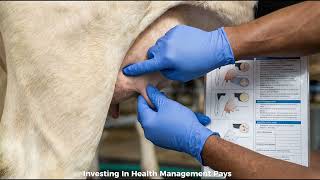
Fertility is a critical aspect of breeding success. Conducting a breeding soundness examination (BSE) helps identify potential fertility problems before the breeding season. This evaluation includes:
- Physical Examination: A thorough physical check to assess general health and reproductive organs.
- Semen Quality Analysis: Evaluating the motility, morphology, and concentration of sperm. This is crucial for ensuring successful mating and conception.
- Behavioral Assessment: Observing the ram or buck's eagerness to breed and his overall activity levels.
Fertility Testing Methods
There are several methods for conducting a ram fertility test:
- Electroejaculator: This device can help collect semen for analysis without the need for natural mating.
- Artificial Insemination (AI): If applicable, using AI can be a method to evaluate fertility and use superior genetics.
Conducting these checks can significantly improve your chances of successful breeding and quality offspring. Regular veterinary consultations are recommended to aid in these assessments.
Conclusion
When selecting a breeding ram or buck, pay close attention to conformation and conduct thorough fertility checks. By choosing strong, healthy animals and ensuring they are capable of breeding, you set the foundation for a productive flock. Investing in quality veterinary products and supplements can further enhance the health and performance of your breeding stock. Make informed decisions to ensure the success of your breeding program.
Your message to the team
Sources: Read More
- Ram Selection and Breeding Soundness Evaluation — Penn State Extension
- Breeding Soundness Examination of Rams and Bucks — University of Arkansas Division of Agriculture
- Ram Breeding Soundness Examination — North Dakota State University Extension
- Breeding Soundness Examination of Rams — USDA Animal and Plant Health Inspection Service
- Breeding Soundness Examination of Rams and Bucks — Food and Agriculture Organization of the United Nations