Selecting Replacement Gilts for a Productive Herd
Introduction to Replacement Gilt Selection
In pig farming, selecting the right replacement gilts is crucial for maintaining a productive herd. Replacement gilt selection not only impacts herd genetics but also overall productivity, health, and profitability. This guide will cover key factors to consider during the selection and management of replacement gilts to ensure a thriving herd.
Understanding Gilt Management
Effective gilt management is essential for maximizing the productivity of your herd. Here are some foundational aspects to consider:
1. Key Selection Criteria
- Genetic Potential: Choose gilts from sows known for their reproductive performance. Ideally, select gilts that have 12 to 14 well-formed, evenly spaced teats to ensure optimal milk production for their piglets.
- Body Condition and Structure: Evaluate the body condition of the gilts. They should be structurally sound with regards to their feet and legs. Avoid selecting gilts with any structural faults, such as being cow-hocked or splay-footed.
- Growth Rate: A healthy gilt should grow at a rate of at least 1.2 lb per day from birth. This growth rate indicates their potential for future productivity.
- Age at First Estrus: Monitor when the gilt enters puberty. Ideally, they should show signs of estrus by 220 days of age; those that don’t should be culled.
2. Timing for Selection
Select replacement gilts before they reach about 110 kg in body weight, as this is optimal for assessing their potential. Ensure that you select gilts that are at their second or third standing estrus for breeding. This timing maximizes their lifetime productivity.
Breeding Gilt Criteria
When it comes to breeding, specific criteria should be met:
1. Breeding Weight
Replacement gilts should reach a target breeding weight of around 300–330 lb. This weight ensures they are mature enough to handle the stresses of breeding.
2. Assessing Reproductive Health
- Ensure that the gilts have a normal vulva structure and a healthy underline to support lactation.
- Evaluate their reproductive history, if available, to gauge their potential as breeders.
Managing Replacement Gilts for Optimal Productivity
Once you have selected your replacement gilts, managing their growth and health is crucial for ensuring they transition smoothly into productive sows.
1. Nutrition and Feeding
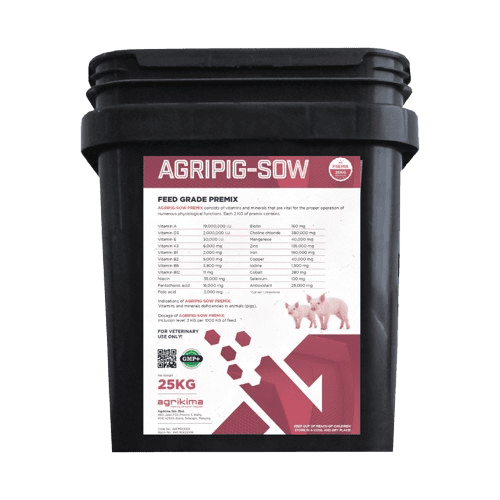
Proper nutrition plays a significant role in the growth and development of replacement gilts. Use quality veterinary products and supplements to enhance their diet, ensuring they receive adequate vitamins and minerals. This will promote healthy growth and reproductive performance.
2. Health Monitoring
Regular health checks are essential to identify any potential issues early. Keep an eye out for signs of common diseases and ensure that your gilts are vaccinated according to recommended schedules. This proactive approach will help ensure a healthy breeding stock.
3. Stress Management
Managing stress in replacement gilts is vital. Ensure they have a comfortable living environment with adequate space, ventilation, and proper bedding. Stress can negatively impact their growth and reproductive performance.
Preparing for Gilt First Service
The first mating or gilt first service is a critical milestone in a gilt's life. Here are some tips to ensure a successful first service:
1. Heat Detection
Effective heat detection is essential. Monitor gilts closely for signs of estrus, such as restlessness and mounting behavior. Accurate detection ensures that gilts are bred at the optimal time for conception.
2. Timing of Breeding
As previously mentioned, gilts should ideally be bred at their second estrus. This timing helps in maximizing their reproductive potential and lifetime productivity.
Conclusion
In conclusion, selecting and managing replacement gilts is a multi-faceted process that requires attention to detail and a commitment to best practices. By focusing on genetic potential, health, nutrition, and effective management strategies, farmers can ensure a productive herd that meets their production goals. Quality veterinary products and supplements from Agrikima can support optimal growth and health, ultimately leading to enhanced productivity in your farming operation.
Your message to the team
Sources: Read More
- Sow and Gilt Management — Merck Veterinary Manual (University of Illinois)
- Improving the Gilt Selection Process — Pennsylvania State University Extension
- How to Manage Replacement Gilts for Breeding — Pork Information Gateway
- Management of replacement breeding animals — Veterinary Clinics of North America: Food Animal Practice (University of Saskatchewan)
- Selecting Gilts for Lifetime Productivity — The Pig Site (North Carolina State University)
- Management of Replacement Gilts — Oregon State University Extension