Setting Up a Customer Complaint System for Feed Quality
Introduction
In the competitive world of agriculture, particularly in feed production, ensuring high quality is paramount. A well-structured feed customer complaint system not only addresses customer concerns but also enhances the overall quality of your products. In this article, we will explore how to set up a complaint system that truly improves quality and customer satisfaction.
Why a Complaint System is Essential
Every business, including feed mills, will encounter customer complaints. However, how you respond to these complaints can significantly impact your reputation and business growth. A robust complaint system serves multiple purposes:
- Identifies Quality Issues: Regular feedback helps pinpoint areas where feed quality may be lacking.
- Enhances Customer Trust: Addressing complaints promptly shows customers that you value their opinions.
- Improves Products: Constructive feedback can lead to innovations and improvements in your feed products.
Setting Up Your Feed Customer Complaint System
Creating an effective complaint system involves several key steps:
1. Establish Clear Channels for Feedback
Make it easy for customers to voice their complaints. This could include:
- Email: Set up a dedicated email address for complaints.
- Phone Lines: Provide a customer service hotline for immediate concerns.
- Online Forms: Create a simple online complaint form on your website.
2. Train Your Team
Your staff should be well-trained in handling complaints. They should understand the importance of:
- Listening actively to customers.
- Empathizing with their concerns.
- Providing prompt and effective solutions.
3. Implement a Tracking System
Utilizing a complaint tracking feed system will help monitor complaints and their resolutions. This could involve:
- Using software to log complaints, categorize them, and assign team members for follow-up.
- Regularly reviewing complaint trends to identify recurring issues.
4. Analyze Feedback Regularly
Regular analysis of customer feedback is crucial. Look for patterns that indicate quality issues:
- Are there specific products receiving more complaints?
- What types of complaints are most common (e.g., nutritional deficiencies, texture issues)?
Analyzing this data helps in understanding where improvements are required, such as enhancing feed formulations or sourcing better raw materials.
5. Engage Customers in the Solution Process
Involve customers in the improvement process. This could be done through:
- Surveys: After resolving a complaint, send a survey to gauge customer satisfaction and gather further suggestions.
- Feedback Loops: Inform customers about the changes made based on their feedback, reinforcing the value of their input.
6. Ensure Transparency
Be transparent with your customers about how complaints are handled. This could include:
- Providing updates on the status of their complaint.
- Sharing how their feedback has led to specific changes in your products.
Integrating Quality Veterinary Products
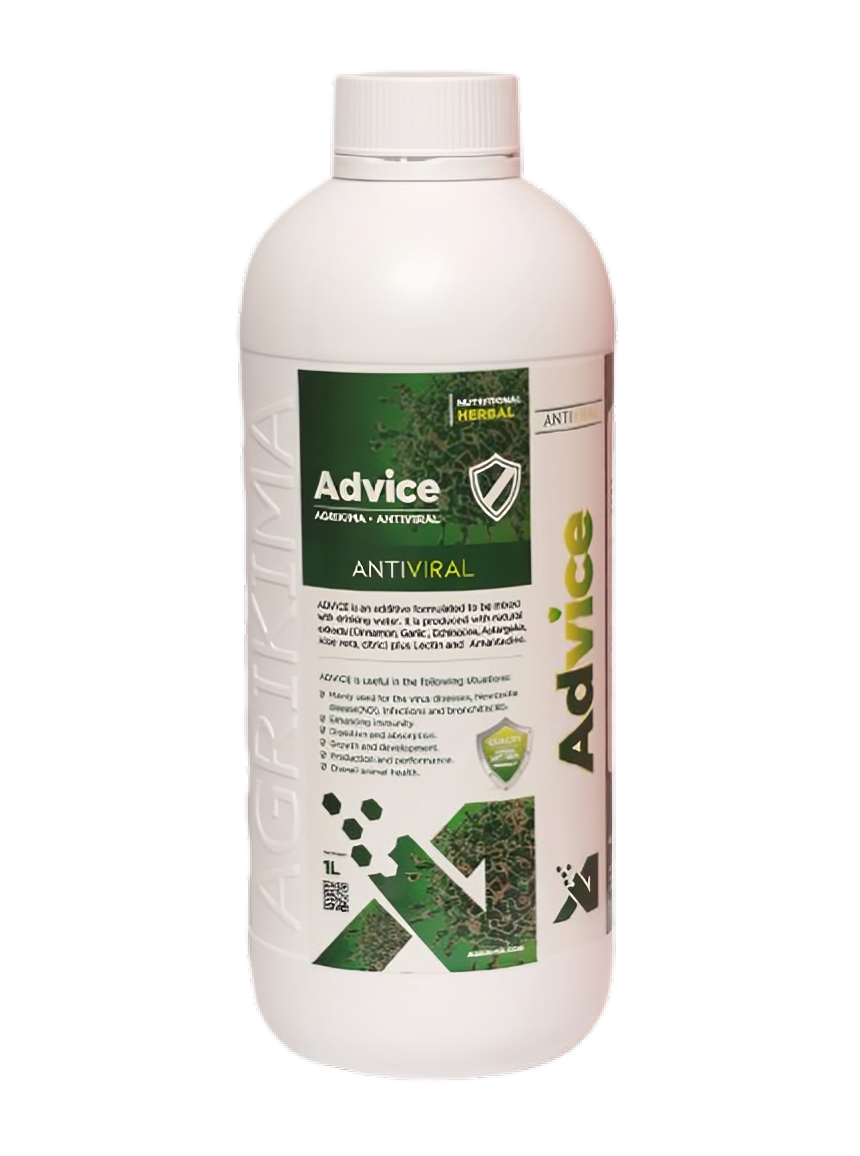
In addition to a strong complaint system, incorporating quality veterinary products and supplements into your feed can help reduce complaints associated with health issues in livestock. For instance:
- Using natural animal health solutions can enhance the nutritional value of your feed.
- Supplements can help address specific deficiencies that customers may report.
This proactive approach not only helps mitigate complaints but also builds a reputation for high-quality products.
Conclusion
Setting up an effective feed customer complaint system is essential for improving product quality and enhancing customer satisfaction. By establishing clear channels for feedback, training your team, implementing a tracking system, and engaging with customers, you can create a responsive system that not only addresses complaints but also drives continuous improvement in your feed mill's quality. Remember, every complaint is an opportunity to enhance your offerings and strengthen your customer relationships.