Setting Up Hydroponic Barley Fodder for Livestock

Introduction to Hydroponic Fodder Setup
Hydroponic fodder production is an innovative way to provide nutritious feed for livestock, especially in challenging conditions like droughts. By setting up a hydroponic fodder setup, farmers can grow barley fodder quickly and efficiently, ensuring their animals receive essential nutrients without the extensive land and water requirements of traditional farming methods. This guide will walk you through the steps to establish your own barley fodder system.
Benefits of Hydroponic Barley Fodder
Hydroponic barley fodder is a sustainable solution that offers numerous advantages:
- Rapid Growth: Barley fodder can grow in just seven days, making it a quick feed option for livestock.
- Nutritional Value: It provides high-quality nutrients essential for dairy and meat production, with studies showing similar milk production and quality compared to traditional feed.
- Water Efficiency: Hydroponic systems use significantly less water than conventional farming, making them ideal for arid regions.
- Space Saving: These systems can be set up in small areas, reducing the need for expansive land.
Setting Up Your Hydroponic Barley Fodder System
Materials Needed
To create a successful hydroponic barley fodder setup, gather the following materials:
- Barley seeds
- Hydroponic trays or containers
- Growing medium (such as coconut coir or hydroponic mats)
- Water supply with a pump (if using a more complex system)
- Light source (LED or fluorescent lights)
- Fertilizer (optional, for enhanced growth)
Step-by-Step Guide
1. Seed Preparation
Start by soaking barley seeds in water for about 12-24 hours. This process helps to initiate germination. After soaking, drain the seeds and rinse them thoroughly.
2. Setting Up Trays
Place the soaked barley seeds evenly on your hydroponic trays or containers. Ensure the seeds are spread out to allow for proper growth. If using a growing medium, spread the seeds on top of it.
3. Watering
Water the seeds lightly but consistently. The growing medium should be moist but not waterlogged. Consider using a drip irrigation system for an even water supply.
4. Light Exposure
Provide adequate light for the barley fodder, ideally around 12-16 hours per day. Studies suggest that increasing light intensity can enhance photosynthesis and growth rates, but be cautious with extremely high light levels as they can reduce nutrient quality.
5. Temperature and Humidity
Maintain a temperature range of 18-24°C (65-75°F) for optimal growth. Additionally, keep humidity levels high, around 60-75%. A simple plastic cover over the trays can help retain moisture.
6. Harvesting
After about 7 days, when the seedlings have grown to about 15-20 cm (6-8 inches), they are ready to be harvested. Cut the barley fodder at the base and rinse it to remove any residual soil or debris.
Integrating Bio-Fertilizers
Using bio-fertilizers can significantly enhance the nutritional quality of your hydroponic barley fodder. Incorporating eco-friendly fertilizers in your hydroponic system can improve growth rates and support sustainable practices.
Feeding Your Livestock
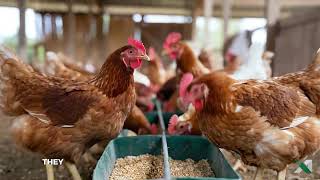
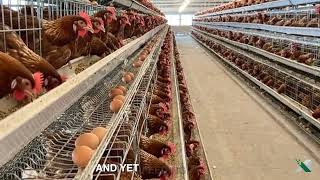
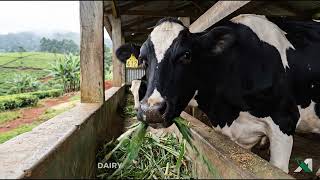
Once harvested, hydroponic barley fodder can be fed to various livestock, including dairy cows, poultry, and goats. It serves as an excellent source of green feed, promoting better health and productivity in your animals. Ensure to gradually introduce it into their diet to allow their systems to adjust.
Quality Veterinary Products
To maximize the health benefits of hydroponic fodder, consider integrating quality veterinary products and supplements. These can support the overall immune system of your livestock, enhancing their well-being and productivity.
Conclusion
Setting up a hydroponic barley fodder system is not only an effective way to produce nutritious feed but also a sustainable farming practice. With minimal water usage and rapid growth, this method can significantly benefit farmers looking to optimize their livestock's nutrition. By following the steps outlined in this guide, you can successfully implement your own hydroponic fodder setup and enjoy the benefits it brings to your farming operation.
Your message to the team
Sources: Read More
- Hydroponic fodder production: an innovative solution in times of drought — Food and Agriculture Organization (FAO)
- Evaluation of Feeding Hydroponic Barley Fodder to Organic Dairy Cattle — University of Minnesota West Central Research and Outreach Center
- Scaling-up production of cost-effective and eco-friendly bio-fertilizer and its application on Barley green fodder via IoT hydroponic system — Journal of Genetic Engineering and Biotechnology
- Light Intensity Affects Growth and Nutrient Value of Hydroponic Barley Fodder — FAO AGRIS
- Present status and challenges of fodder production in controlled environments: A review — Smart Agricultural Technology