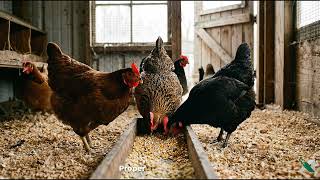
Signs of Vitamin Deficiency in Backyard Chickens
Understanding Vitamin Deficiency in Chickens
Backyard chickens are a wonderful addition to any homestead, providing fresh eggs and companionship. However, just like any other animals, chickens require a balanced diet to thrive. One crucial aspect of poultry nutrition is the presence of essential vitamins. A vitamin deficiency in chickens can lead to a host of health problems, affecting their growth, egg production, and overall well-being.
Common Signs of Vitamin Deficiency in Chickens
Recognizing the signs of vitamin deficiency in chickens is essential for timely intervention. Here are some common indicators:
- Leg Problems: Deficiencies in vitamins like D3 and manganese can lead to leg problems in chickens. Affected birds may appear lame, have difficulty walking, or show signs of deformities in their legs and feet.
- Feather Loss: Chickens suffering from vitamin deficiencies may experience feather loss. This can be attributed to a lack of vitamins A and E, which are essential for feather health and growth.
- Poor Egg Production: A significant drop in egg production can be a sign of vitamin deficiencies, particularly vitamin A. Affected hens may also lay eggs with thin shells.
- Soft Bones and Beaks: Vitamin D3 deficiency can result in rickets, leading to soft bones and beaks in chickens. This condition makes them prone to injuries and infections.
- Behavioral Changes: Chickens may exhibit unusual behaviors, such as feather pecking and cannibalism, when they are not receiving adequate vitamins in their diet.
How to Fix Vitamin Deficiency in Chickens
Identifying these signs early is crucial for maintaining a healthy flock. Here are actionable steps you can take to address vitamin deficiencies:
1. Assess and Improve Diet
The first step to remedying vitamin deficiencies is to assess the current diet of your chickens. Ensure that their feed is well-balanced and provides adequate vitamins and minerals. Look for quality poultry feed that includes:
- Vitamin A: Essential for feather health and overall immunity.
- Vitamin D3: Crucial for calcium absorption and bone health, preventing rickets.
- Manganese: Important for bone development and enzyme function.
Consider supplementing their diet with natural sources of vitamins. Foods like leafy greens, carrots, and feed additives can help enrich their diet with essential nutrients.
2. Use Quality Supplements
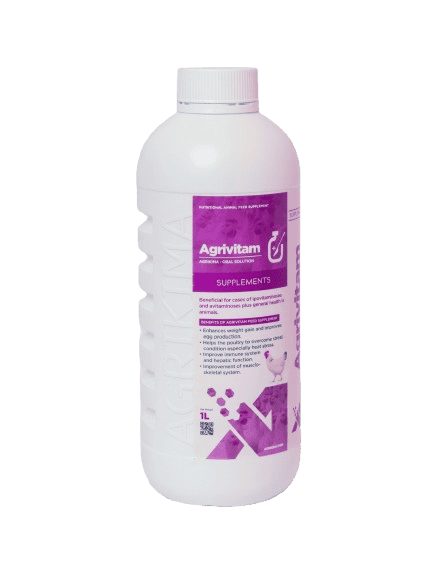
Sometimes, even the best diets may not meet all the nutritional requirements of your chickens. This is where quality veterinary products and supplements come into play. Look for high-quality vitamin supplements specifically formulated for poultry. These can help quickly address deficiencies and restore health in your flock.
3. Monitor Health Regularly
Regular health checks are vital for identifying any issues before they become severe. Observe your chickens daily for any signs of distress or changes in behavior. Keeping a close eye on their physical appearance, leg health, and egg production will help you catch deficiencies early.
4. Consult a Veterinarian
If you suspect that your chickens have a vitamin deficiency, consult a veterinarian who specializes in poultry. They can provide a proper diagnosis and recommend specific treatment options tailored to your flock’s needs.
Conclusion
Vitamin deficiency in chickens can lead to serious health issues, including leg problems, feather loss, and poor egg production. By understanding the signs and taking proactive steps to improve their nutrition, you can ensure your backyard chickens remain healthy and productive. Remember, investing in quality feed and supplements is a step toward a thriving flock.
Your message to the team
Sources: Read More
- BASIC POULTRY NUTRITION – Small and backyard poultry — Extension
- RICKETS IN POULTRY – Small and backyard poultry — Extension
- Chapter 6: Chickens and ducks — FAO
- Small-scale poultry production — FAO
- Vitamin A in poultry. Effects of vitamin deficiency — FAO
- FEATHER PECKING AND CANNIBALISM IN SMALL AND BACKYARD POULTRY FLOCKS – Small and backyard poultry — Extension