Signs Your Pet is Not Getting Proper Nutrition
Understanding Pet Nutritional Deficiency Signs
As responsible pet owners, it is crucial to ensure that our furry friends receive proper nutrition. However, many pets suffer from nutritional deficiencies due to imbalanced diets or poor feeding practices. Recognizing the pet nutritional deficiency signs early can make a significant difference in your pet's health and well-being.
Common Signs of Nutritional Deficiency in Pets
- Unexplained Weight Loss or Gain: Sudden changes in weight can indicate that your pet is not receiving the right nutrients. A dog or cat that is losing weight may not be getting enough calories, while excessive weight gain could be due to an improper balance of nutrients.
- Changes in Coat Condition: A dull, brittle, or patchy coat can suggest a lack of essential fatty acids, proteins, or vitamins. Healthy pets typically have shiny and smooth coats.
- Lethargy: If your pet seems unusually tired, lacks energy, or is less active than normal, it could be a sign that they are not getting the required nutrients to maintain their energy levels.
- Digestive Issues: Frequent vomiting, diarrhea, or constipation could indicate that your pet's diet is lacking in fiber or other essential nutrients. Pay attention to their stool consistency as it can provide insights into their nutritional health.
- Behavioral Changes: Nutritional deficiencies can affect your pet's mood and behavior. If your pet becomes irritable, anxious, or withdrawn, it may be a sign of dietary imbalance.
Specific Signs in Dogs and Cats
While the signs above are common across all pets, there are specific signs for dogs and cats that you should be aware of:
- Dog Diet Problems: Dogs with a nutritional deficiency might exhibit increased begging behavior, chewing on non-food items, or showing signs of aggression due to hunger or discomfort.
- Cat Nutrition Deficiency: Cats may develop dental issues or exhibit a tendency to eat non-food items (pica) if their diet lacks essential minerals and vitamins.
How to Address Nutritional Deficiencies in Pets
Once you recognize the signs that your pet may not be receiving proper nutrition, it’s essential to take action. Here are some effective strategies to improve your pet's diet:
1. Consult a Veterinarian
The first step in addressing nutritional deficiencies is to consult a veterinarian. They can conduct a thorough examination, recommend dietary changes, and even suggest quality veterinary products and supplements tailored to your pet’s needs.
2. Choose Quality Pet Food
Select high-quality commercial pet food that meets the nutritional standards set by veterinary nutritionists. Look for brands that list specific protein sources and essential vitamins and minerals on their labels.
3. Incorporate Fresh Foods
Adding fresh foods like fruits and vegetables can enhance your pet's diet. For dogs, consider carrots, green beans, or sweet potatoes; for cats, small amounts of cooked fish or chicken can be beneficial.
4. Monitor Portion Sizes
Ensure you are feeding your pet the right portion sizes according to their age, size, and activity level. Overfeeding or underfeeding can lead to imbalances in their nutritional intake.
5. Use Supplements Wisely
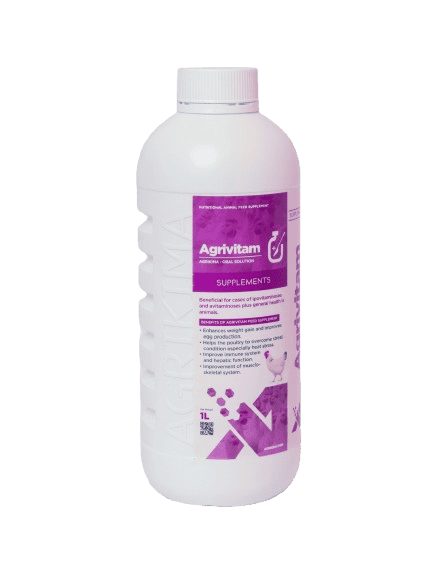
In some cases, supplements can help address specific deficiencies. For example, omega fatty acids can improve coat health, while vitamins and minerals can support overall wellness. Always consult with your veterinarian before introducing any new supplements into your pet's diet.
6. Regularly Assess Your Pet's Diet
Regularly evaluate your pet's diet and health. Pay attention to any changes in their physical appearance, behavior, or energy levels. Adjust their diet as necessary to ensure they receive balanced nutrition.
Conclusion
Being vigilant about pet nutritional deficiency signs can help you maintain your pet's health and happiness. Proper nutrition is essential for their overall well-being, and by taking proactive measures, you can ensure your pet thrives. Remember, quality veterinary products and supplements can play a crucial role in enhancing your pet’s diet, especially in regions like pet health Kenya, where access to a variety of pet foods may be limited.