Small Scale Feed Mill Setup: A Comprehensive Guide
Introduction
Setting up a small-scale commercial feed mill is a great opportunity for farmers looking to enhance their livestock and poultry production. A mini feed factory can provide quality feed that meets the specific nutritional needs of your animals, ultimately increasing their health and productivity. In this guide, we will cover the essential steps for a successful small scale feed mill setup.
Understanding the Feed Mill Business
The feed mill business involves the manufacturing of animal feed from raw materials. This can include grains, supplements, and additives. By creating a small-scale feed mill, farmers can produce customized feed for their livestock, improving growth rates and overall health.
Benefits of Setting Up a Small Scale Feed Mill
- Cost savings on feed purchases.
- Ability to control feed quality and formulation.
- Flexibility to create specialized feeds based on animal requirements.
- Potential for additional income by selling feed to neighboring farms.
Planning Your Feed Plant Layout
Before you start the small scale feed mill setup, it’s crucial to plan your feed plant layout. A well-organized layout can enhance efficiency and productivity. Consider the following elements:
Key Components of a Feed Plant Layout
- Raw Material Storage: Ensure you have ample space to store grains and supplements safely.
- Processing Area: Designate space for grinding, mixing, and pelleting processes.
- Packaging Area: Allocate space for packaging finished products for sale.
- Quality Control Section: A small area for testing feed quality can ensure your products meet health standards.
Choosing the Right Equipment
Investing in the right equipment is crucial for efficient feed production. Here are some essential machines to consider for your mini feed factory:
Essential Equipment for Small Scale Feed Mill
- Hammer Mill: For grinding raw materials into fine particles.
- Mixing Machine: To ensure even distribution of ingredients.
- Pellet Mill: For compressing the feed into pellets, which are easier for animals to consume.
- Packaging Machine: For packaging finished products neatly and efficiently.
Sourcing Raw Materials
Quality raw materials are the backbone of a successful feed mill business. Here are tips on sourcing them:
Finding Reliable Suppliers
- Look for local suppliers to minimize transport costs.
- Ensure that raw materials meet nutritional standards.
- Consider building relationships with farmers for fresh ingredients.
Formulating Feed Recipes
Creating balanced feed recipes is vital for animal health. Here are some guidelines:
Key Considerations in Feed Formulation
- Understand the specific nutritional needs of your animals.
- Incorporate vitamins and minerals to enhance overall health.
- Adjust formulations based on age, breed, and production goals.
Quality Control and Safety Measures
Quality control is essential to ensure safe and effective feed. Here are some practices to implement:
Implementing Quality Control
- Conduct regular testing of raw materials and finished products.
- Maintain a clean and hygienic production environment.
- Document all processes to track the quality of feed produced.
Marketing Your Feed Products
Once your small-scale feed mill is operational, effective marketing strategies are key to attracting customers:
Strategies for Marketing Your Feed
- Network with local farmers and agricultural groups.
- Offer promotional discounts for first-time buyers.
- Utilize social media platforms to showcase your products and success stories.
Conclusion
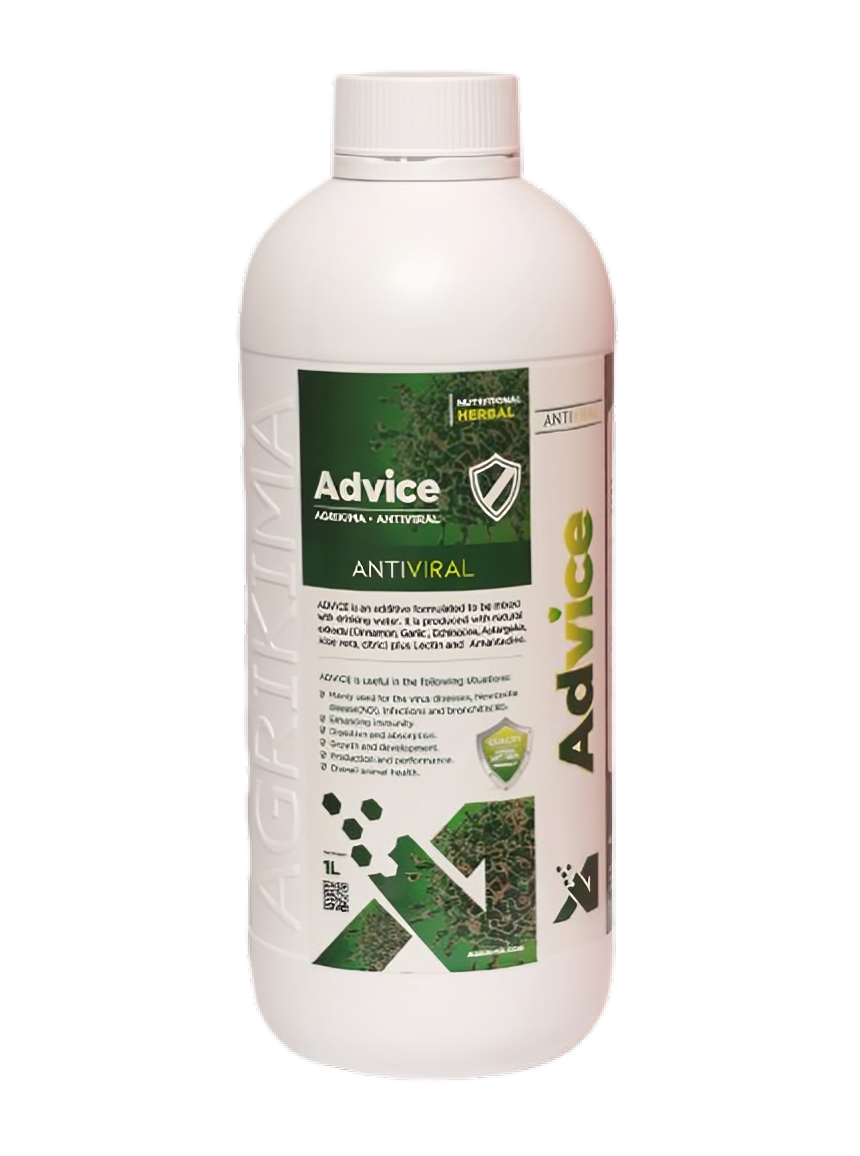
Setting up a small-scale commercial feed mill offers numerous benefits for farmers, including cost savings and improved livestock health. By following this comprehensive guide, you can create a mini feed factory that meets the needs of your animals and potentially serves the wider farming community. Remember, integrating quality veterinary products and supplements can further enhance the effectiveness of your feed formulations, leading to better outcomes for your livestock.