Spotting and Treating African Swine Fever Early
Understanding African Swine Fever
African Swine Fever (ASF) is a highly contagious viral disease affecting domestic and wild pigs. The symptoms of this pig haemorrhagic disease can escalate quickly, making early detection crucial for managing outbreaks and ensuring the health of your herd.
Identifying African Swine Fever Symptoms Early
Farmers should be vigilant for the following African Swine Fever symptoms early:
- High Fever: Pigs may exhibit a sudden rise in body temperature, often exceeding 104°F (40°C).
- Lethargy: Infected pigs will appear unusually tired and may isolate themselves from the herd.
- Loss of Appetite: Affected animals often refuse to eat, which can lead to rapid weight loss.
- Skin Changes: Look for reddening of the skin, particularly on the ears and legs, as well as skin lesions or hemorrhages.
- Respiratory Distress: Coughing and difficulty breathing can occur in infected pigs.
- Diarrhea: Watery and sometimes bloody diarrhea is a common sign in advanced cases.
Monitoring Your Herd
Regular monitoring of your pigs is essential. Keep detailed records of health changes, feeding habits, and any unusual behavior. This can help you spot ASF signs early and take action promptly.
Taking Immediate Action
If you suspect ASF in your herd, immediate action is critical:
- Isolation: Separate any suspected cases from the rest of the herd to prevent the disease from spreading.
- Contact a Veterinarian: Seek professional advice as soon as possible. A veterinarian can provide guidance on testing and treatment.
- Testing: Diagnostic tests, such as PCR, can confirm the presence of the ASF virus.
Vaccination and Prevention
Currently, there is no vaccine for ASF; however, maintaining strong biosecurity measures can help prevent outbreaks:
- Biosecurity Protocols: Implement stringent biosecurity measures to limit contact between domestic pigs and wild boars, which can be carriers of ASF.
- Cleanliness: Regularly clean and disinfect feeding equipment, pig housing, and transport vehicles.
- Controlled Access: Limit access to your farm to essential personnel only, and ensure they follow hygiene protocols.
Treating African Swine Fever
While there is no specific treatment for ASF, supportive care can help manage symptoms and improve the overall health of affected pigs:
- Hydration: Ensure that infected animals have access to clean water to prevent dehydration.
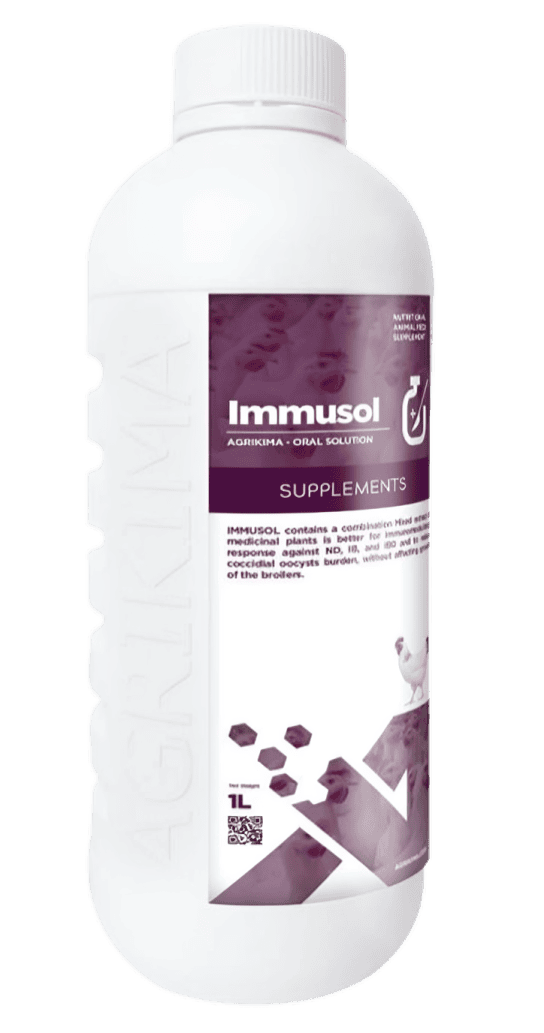
- Nutritional Support: High-quality veterinary supplements can help support the immune system of affected pigs.
- Anti-inflammatory Medications: Consult your veterinarian about possible medications that may help reduce fever and inflammation.
Post-Infection Management
After an ASF outbreak, it is crucial to reassess your biosecurity measures and herd management practices to prevent future occurrences:
- Herd Health Monitoring: Regular health checks and vaccinations for other diseases can help maintain the overall health of your herd.
- Education: Stay informed about ASF updates and best practices in biosecurity through workshops or agricultural extension services.
Conclusion
Early detection of African Swine Fever symptoms is essential for protecting your herd and minimizing economic losses. By implementing strong biosecurity measures and maintaining regular health checks, you can safeguard your pigs against this devastating disease. Remember, quality veterinary products and supplements can play a pivotal role in ensuring the health and productivity of your livestock.