Starting Your Feed Mill Business: A Complete Guide
Introduction to Starting a Feed Mill Business
Starting a feed mill business can be a lucrative venture, especially for those involved in livestock, poultry, or dairy farming. A well-structured feed mill business plan is crucial to ensure success and sustainability. This guide will help you understand the essential steps, equipment, and licensing requirements necessary to kickstart your feed business startup.
Understanding the Basics of Animal Feed Manufacturing
Before diving into the practical aspects, it is essential to grasp the basics of animal feed manufacturing. This process involves converting raw agricultural materials into feed products that meet the nutritional needs of livestock and poultry. In the feed mill, ingredients are ground, mixed, and pelleted or extruded to create balanced feed formulations.
Identifying Your Target Market
Understanding your target market is the first step in your feed mill business plan. Consider the following:
- Type of animals: Determine whether you will focus on poultry, cattle, pigs, or a combination.
- Local demand: Research the local demand for different types of animal feeds.
- Competition: Analyze existing feed mills in your area to find your unique selling proposition.
Creating a Solid Business Plan
A comprehensive business plan is a roadmap for your feed mill business. It should include:
- Executive Summary: A brief overview of your business goals and vision.
- Market Analysis: Insights into your target market and competitive landscape.
- Operational Plan: Details about your production process, equipment, and supply chain.
- Financial Projections: Estimated startup costs, revenue forecasts, and break-even analysis.
Essential Feed Mill Equipment
Investing in the right feed mill equipment is vital for efficient production. Key machinery includes:
- Grinders: To reduce raw materials into smaller particles for easier mixing.
- Mixers: To ensure even distribution of nutrients in the feed.
- Pellet Mills: For compressing feed into pellets, enhancing digestibility and reducing waste.
- Coolers: To lower the temperature of hot pellets, preserving their nutritional value.
Meeting Feed Mill License Requirements
Before commencing operations, it is crucial to understand the feed mill license requirements in your region. This may include:
- Obtaining a business license.
- Registering with local agricultural authorities.
- Compliance with food safety and quality standards.
Quality Assurance and Safety Regulations
Maintaining high-quality standards is essential in the feed industry. Implement a quality assurance program that includes:
- Regular testing of raw materials and finished products.
- Adhering to safety regulations to prevent contamination.
- Training staff on best practices in handling feed ingredients.
Establishing Supply Chains and Partnerships
Building strong relationships with suppliers and customers is vital for your feed mill business. Consider:
- Establishing reliable sources for raw materials like grains, vitamins, and minerals.
- Partnering with local farmers to create tailored feed solutions.
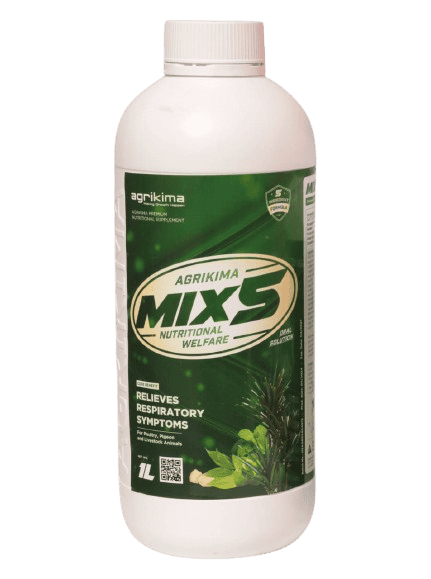
- Offering quality veterinary products and supplements to enhance animal health and productivity.
Marketing Your Feed Mill Business
Once your feed mill is operational, it’s time to attract customers. Effective marketing strategies include:
- Branding: Create a strong brand identity that resonates with your target audience.
- Online Presence: Develop a website and utilize social media to reach a broader audience.
- Networking: Attend agricultural fairs and trade shows to showcase your products and connect with potential clients.
Conclusion
Starting a feed mill business requires careful planning, investment in quality equipment, and compliance with licensing requirements. By following the steps outlined in this guide and focusing on quality animal feed manufacturing, you can build a successful feed mill that meets the needs of local farmers and enhances livestock health and productivity.