How to Stop a Dog From Eating Faeces Permanently
Understanding Coprophagia in Dogs
Coprophagia, or the act of eating feces, is a common behavior in dogs, particularly puppies. While this can be unpleasant for dog owners, it's essential to understand that this behavior can often be corrected with the right approach. Various factors contribute to this behavior, including nutritional deficiencies, stress, or the desire to eliminate competition for food, especially among dogs living together.
Why Dogs Eat Poop
Understanding the reasons behind your dog's coprophagia is the first step in correcting it. Here are some common reasons:
- Nutritional Deficiencies: Dogs may eat feces if their diet lacks essential nutrients. Ensuring a balanced diet can significantly reduce this behavior.
- Stress or Anxiety: Dogs that experience stress may resort to coprophagia as a coping mechanism.
- Behavioral Factors: Some dogs mimic the behavior of other dogs or may have learned this behavior from their mother during their early development.
Effective Strategies to Stop Your Dog from Eating Poop
1. Evaluate Diet for Nutritional Deficiencies
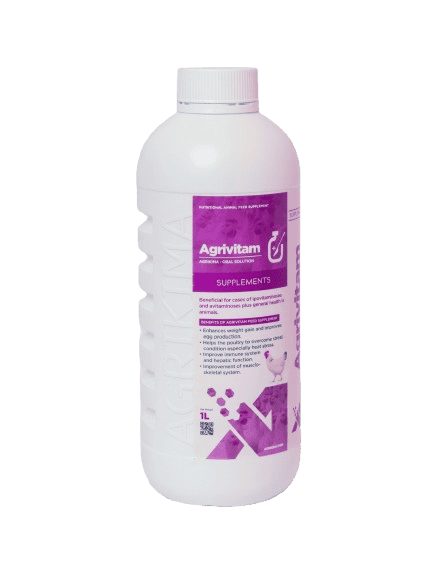
One of the most crucial steps in stopping your dog from eating poop is to provide a well-balanced diet. High-quality dog food that meets your dog's nutritional needs is essential. If in doubt, consult a veterinarian to assess your dog’s diet and consider supplements that can help fill any gaps. Agrikima offers a range of nutritional supplements that can help improve your dog's overall health.
2. Keep the Environment Clean
Prevent access to feces by cleaning up your yard regularly. The less opportunity a dog has to eat poop, the quicker they can break the habit. This includes disposing of waste from other pets promptly.
3. Train and Redirect Behavior
Implementing basic obedience training can help redirect your dog’s focus away from feces. Commands like “leave it” or “no” can be effective. Use positive reinforcement techniques, such as treats and praise, when they obey these commands.
4. Provide Sufficient Exercise and Mental Stimulation
Many dogs engage in undesirable behaviors out of boredom or excess energy. Regular exercise can help alleviate stress and reduce the urge to eat feces. Activities like walks, fetch, or puzzle toys can keep your dog mentally stimulated.
5. Address Stress and Anxiety
If your dog is eating poop due to anxiety, consider strategies to reduce stress. Create a calm environment, establish a routine, and provide comforting toys. In severe cases, consult with a veterinarian about anxiety-relief products.
6. Use Deterrents
Some pet owners find success with deterrent products that can make feces taste unpleasant. There are various commercial products available, or you can consult your veterinarian for recommendations.
7. Professional Help
If the behavior persists despite your best efforts, seek help from a professional dog trainer or behaviorist. They can provide tailored strategies to address your dog's specific needs.
Conclusion
Stopping a dog from eating poop can be challenging, but with consistent effort and the right strategies, it is achievable. Start by evaluating your dog’s diet, keeping their environment clean, and focusing on training and mental stimulation. Agrikima's quality veterinary products and supplements can also assist in promoting your dog's overall health, which can, in turn, help eliminate this behavior. Remember, patience and persistence are key to correcting coprophagia permanently.
Your message to the team
Sources: Read More
- Why Does My Dog Eat Poop? — American Kennel Club
- Coprophagia - Dog Eating Poop — American Kennel Club
- Canine coprophagic behavior is influenced by coprophagic cohabitant — Food and Agriculture Organization of the United Nations
- Giardia: Infection, treatment and prevention — Cornell University College of Veterinary Medicine
- Coccidia in dogs — Cornell University College of Veterinary Medicine