How to Stop Pig Tail Biting Without Tail Docking
Understanding Pig Tail Biting
Pig tail biting is a common behavioral issue in swine production that can lead to significant welfare concerns and economic losses for farmers. It often arises from various factors such as stress, environmental conditions, and inadequate enrichment for pigs. Addressing these issues is crucial to stop pig tail biting effectively.
The Importance of Environmental Enrichment
One of the primary reasons for tail biting in pigs is insufficient environmental enrichment. When pigs lack opportunities to explore and engage in natural behaviors, they can develop stereotypic behavior, including tail biting. Providing adequate enrichment can significantly reduce the incidence of this behavior.
Types of Enrichment for Pigs
- Manipulable Materials: Offer materials like straw, hay, or wood to encourage rooting and chewing, which satisfy their natural instincts and keep them occupied.
- Interactive Toys: Use toys that dispense food or allow pigs to interact with them. This encourages play and distracts them from tail biting.
- Varied Feeding Practices: Instead of providing feed in a trough, scatter it around the pen. This encourages pigs to forage, mimicking natural behaviors and reducing boredom.
Management Practices to Prevent Tail Biting
In addition to providing enrichment, implementing effective management practices is essential for tail biting prevention. Here are some practical tips:
1. Optimize Housing Conditions
Ensure that the living environment is spacious and well-ventilated. Overcrowding can contribute to stress and aggressive behaviors, increasing the likelihood of tail biting. Maintain appropriate stocking densities to promote comfort and reduce competition among pigs.
2. Monitor Pig Health
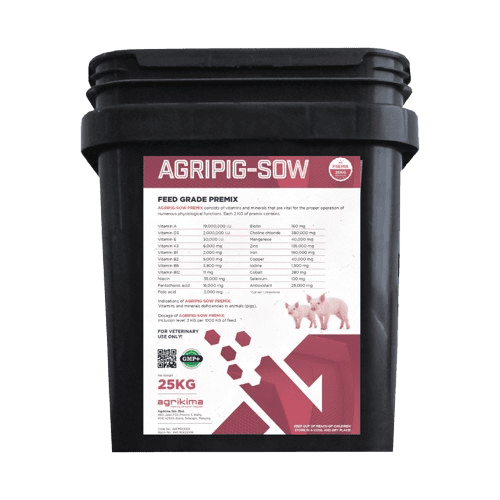
Regular health checks are vital. Sickness or discomfort can lead to frustration and aggression in pigs. Ensure that they receive proper veterinary care and nutrition to maintain optimal health. Quality veterinary products and supplements from Agrikima can help support pig health and reduce stress levels.
3. Implement Social Management
Pigs are social animals; thus, their social structure can impact behavior. Avoid mixing unfamiliar pigs frequently, as this can cause stress and fighting. Stable social groups can help reduce aggressive behaviors, including tail biting.
Behavioral Interventions
In addition to environmental and management changes, consider behavioral interventions to stop pig tail biting. Here are some strategies:
1. Redirecting Behavior
If you notice a pig starting to engage in tail biting, redirect its attention to other activities. This could involve providing additional enrichment materials or toys to keep the pig engaged and distracted.
2. Positive Reinforcement
When pigs engage in positive behaviors, such as exploring or playing with enrichment items, reward them with treats or verbal praise. This reinforces good behavior and can help reduce the likelihood of tail biting.
Conclusion
Stopping pig tail biting without tail docking requires a comprehensive approach that includes environmental enrichment, optimal management practices, and behavioral interventions. By focusing on these strategies, farmers can enhance the welfare of their pigs and reduce the incidence of tail biting. Remember, investing in quality veterinary products and supplements can further support your efforts in maintaining healthy pigs.
Your message to the team
Sources: Read More
- Tail Biting in Pigs: Causes and Prevention — Food and Agriculture Organization of the United Nations
- Tail Biting in Pigs: A Review — National Center for Biotechnology Information
- Tail Biting in Pigs: Causes and Prevention Strategies — Pig Progress
- Tail Biting in Pigs: A Comprehensive Review — ScienceDirect
- Tail Biting in Pigs: Causes, Consequences, and Prevention — National Center for Biotechnology Information