Strategic Deworming Programs for Grazing Cattle
Understanding Strategic Deworming Programs
Deworming is a critical aspect of maintaining the health of grazing cattle. A well-structured cattle deworming program can significantly reduce the impact of internal parasites, which can adversely affect livestock performance and overall farm profitability. Strategic deworming involves timing treatments to coincide with the life cycle of parasites, thereby reducing pasture contamination and improving cattle health.
The Importance of Monitoring
Before implementing a deworming program, it is essential to monitor the parasite levels in your herd. Fecal egg counts (FEC) can help determine the necessity and timing of deworming treatments. Regularly testing fecal samples will allow you to identify when parasite burdens reach a threshold that requires intervention.
Timing is Key
Optimal timing for deworming treatments coincides with the life cycle of parasites. Most parasites have specific times of the year when they are most active. For instance, deworming should ideally occur before cattle are turned out to pasture in the spring and again in the fall prior to housing.
Developing a Strategic Deworming Schedule
Creating a strategic deworming schedule involves several key components:
- Life Cycle Consideration: Understand the life cycles of common parasites affecting grazing cattle, such as roundworms and tapeworms, to time your treatments effectively.
- Seasonal Management: Implement deworming at strategic points in the grazing season to control pasture contamination and encourage healthier cattle.
- Combination of Treatments: Use a combination of anthelmintics to reduce the risk of resistance. This approach can also improve the overall efficacy of your strategic deworming livestock efforts.
Incorporating Pasture Management
Effective parasite control isn't solely about deworming. Proper pasture management plays a crucial role in reducing parasite burdens. Practices such as rotational grazing and maintaining appropriate stocking rates can disrupt the life cycles of worms, ultimately leading to lower infestations in your herd.
Choosing the Right Deworming Products
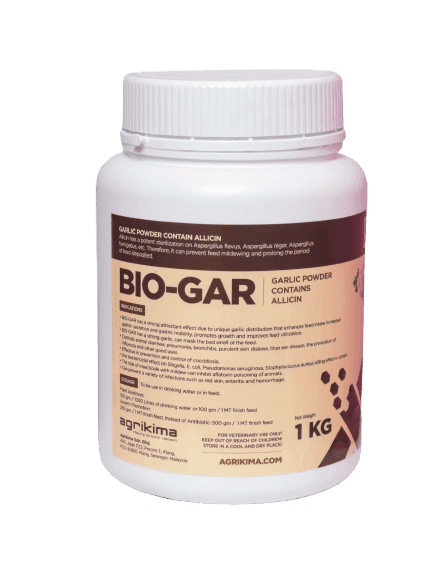
Selecting the appropriate anthelmintics is vital for a successful deworming program. Consult with a veterinarian to choose products that are effective against the specific parasites present in your region. Agrikima offers a range of quality veterinary products and supplements designed to support cattle health during deworming treatments.
Types of Anthelmintics
There are several classes of anthelmintics available, including:
- Benzimidazoles: Effective against a broad spectrum of gastrointestinal parasites.
- Macrocyclic Lactones: Known for their long-lasting effects and broad-spectrum activity.
- Imidazothiazoles: Particularly effective for adult parasites in the gastrointestinal tract.
Evaluating the Effectiveness of Your Program
After implementing your cattle deworming program, it's crucial to evaluate its effectiveness. Follow-up fecal testing after deworming can help determine the reduction in parasite levels and assess the need for any adjustments to your strategy.
Record Keeping
Maintain thorough records of deworming treatments and monitoring results. Keeping track of the date of treatment, the products used, and the results of fecal egg counts will help you refine your strategy over time and improve your worm control cattle efforts.
Working with Professionals
Collaboration with veterinarians and livestock specialists can enhance your deworming strategy. They can provide insights into the latest research and recommendations tailored to your specific conditions. Additionally, veterinarians can assist in developing a comprehensive parasite control plan that includes both deworming and pasture management strategies.
Conclusion
A strategic deworming program for grazing cattle is essential for maintaining herd health and maximizing productivity. By timing treatments effectively, monitoring parasite levels, and incorporating pasture management practices, farmers can significantly reduce the impact of grazing cattle parasites. Agrikima's veterinary products can support your deworming efforts, ensuring your cattle remain healthy and productive throughout the grazing season.
Your message to the team
Sources: Read More
- Strategic Deworming Programs for Grazing Cattle — Penn State Extension
- Internal Parasite Control in Beef Cattle — University of Arkansas Division of Agriculture
- Grazing Management and Parasite Control — Food and Agriculture Organization of the United Nations
- Controlling Internal Parasites in Beef Cattle — University of Missouri Extension
- Parasite Control in Cattle — Merck Veterinary Manual