Stress-Free Indoor Cat Litter Training Tips
Introduction
Training your indoor cat to use a litter box can sometimes feel daunting, but with the right approach, it can be a stress-free experience for both you and your feline friend. In this guide, we will explore effective methods for cat litter training indoor, ensuring that your cat becomes comfortable with their new toilet habits.
Understanding Your Cat's Preferences
One of the keys to successful kitten litter box training is understanding what your cat prefers in terms of litter and box type. Research has shown that cats generally prefer certain types of substrates and litter box designs.
Litter Types
- Clay or Silicate: Studies indicate that cats show a significant preference for clay or silicate substrates over alternatives like wood pellets.
- Biodegradable Options: Consider using biodegradable litters, which can be better for the environment and your cat’s health. Options include litters made from eastern red cedar flakes or spent corn grains.
Litter Box Design
- Covered vs. Uncovered: A covered litter box may provide your cat with a sense of security, especially if it has a larger surface area, which can lead to a more positive experience.
- Size Matters: Ensure the litter box is large enough for your cat to move around comfortably.
Creating a Stress-Free Environment
To facilitate stress free litter training, it’s important to create a calm and welcoming environment for your cat. This can significantly impact their willingness to use the litter box.
Location, Location, Location
Place the litter box in a quiet, low-traffic area of your home. Cats prefer privacy when doing their business, so avoid placing the box near noisy appliances or in high-traffic zones.
Routine and Consistency
Establish a routine for your cat’s bathroom breaks. Feed your cat at the same times each day and encourage them to use the litter box afterward. Cats thrive on consistency, which can help them feel more secure in their environment.
Introducing the Litter Box
When introducing your cat to the litter box, take it slow. Here are some practical steps to follow:
Step-by-Step Introduction
- Show Them the Box: Gently place your cat in the litter box after meals or when they wake up. This will help associate the box with a positive experience.
- Encourage Exploration: Allow your cat to explore the litter box without pressure. You can place treats near or inside the box to make it more inviting.
- Positive Reinforcement: Whenever your cat uses the litter box, reward them with praise or a small treat. This encourages them to repeat the behavior.
Troubleshooting Common Issues
If your cat is hesitant to use the litter box, there could be several reasons behind this behavior. Here are some common issues and how to address them:
Potential Problems
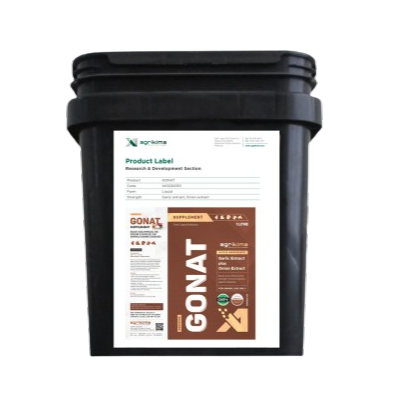
- Stress or Anxiety: If your cat seems stressed, consider using calming products or supplements available through Agrikima that can help ease their anxiety.
- Dirty Litter Box: Cats are clean animals and may refuse to use a dirty box. Ensure you clean the litter box regularly, ideally once a day.
- Health Issues: If your cat consistently avoids the litter box, consult a veterinarian to rule out any health problems.
Maintaining the Litter Box
Proper maintenance of the litter box is essential for continued use. Here are some tips:
- Change the litter regularly, at least once a week, to keep it fresh and inviting.
- Wash the litter box with mild soap and water to eliminate odors and bacteria.
- Monitor the litter depth. Most cats prefer about 2-3 inches of litter in the box for comfort.
Conclusion
With patience and the right approach, cat litter training indoor can be a smooth process. By understanding your cat’s preferences, creating a stress-free environment, and maintaining the litter box properly, you can help your cat feel comfortable and secure in their new bathroom habits. If challenges arise, remember that quality veterinary products and supplements can assist in making this transition easier.
Your message to the team
Sources: Read More
- Field assessment of cats' litter box substrate preferences — ScienceDirect
- Field assessment in single-housed cats of litter box type (covered/uncovered) preferences for defecation — ScienceDirect
- The ins and outs of the litter box: A detailed ethogram of cat elimination behavior in two contrasting environments — ScienceDirect
- Building a Better, Biobased Cat Litter — USDA Agricultural Research Service
- Kitty Litter: Potential New Use for Spent Corn Grains — USDA Agricultural Research Service