Essential Guide to Sustainable Pasture Management
Introduction to Sustainable Pasture Management
Sustainable pasture management is crucial for farmers looking to optimize livestock production while preserving natural resources. It involves practices that ensure the long-term productivity of pastures while minimizing environmental impact.
Understanding Your Pasture Ecosystem
A successful pasture management plan begins with understanding the ecosystem of your pasture. Factors such as soil type, climate, and the existing flora and fauna all play a role in how best to manage your land.
Soil Health
- Soil Testing: Regular soil testing can provide insights into nutrient levels and pH, helping to inform your fertilization strategy.
- Organic Matter: Increasing organic matter through natural amendments can improve soil structure and fertility.
- Diversity: Planting a variety of species can enhance resilience to pests and diseases.
Implementing Rotational Grazing
One of the most effective strategies for sustainable pasture management is rotational grazing. This practice involves rotating livestock between different pasture sections to prevent overgrazing and promote regrowth.
Benefits of Rotational Grazing
- Improved Pasture Health: Allows for recovery time for grazed areas, leading to healthier grass.
- Enhanced Soil Fertility: Manure is evenly distributed across the pasture, enhancing nutrient availability.
- Pest Control: By rotating pastures, you can disrupt pest life cycles and reduce infestations.
Water Management in Pasture Systems
Water availability is essential for livestock health and pasture productivity. Proper water management can improve grazing efficiency and pasture recovery.
Practical Water Management Tips
- Water Sources: Ensure that clean, fresh water is accessible to all grazing areas.
- Watering Systems: Implementing a watering system can encourage livestock to graze more evenly across the pasture.
- Monitor Usage: Keep an eye on water usage to avoid overgrazing and maintain pasture health.
Utilizing Cover Crops
Integrating cover crops into your pasture management plan can significantly enhance soil health and reduce erosion. Cover crops provide ground cover, preventing soil degradation and improving nutrient cycling.
Types of Cover Crops
- Legumes: Improve nitrogen levels in the soil, benefiting subsequent crops.
- Grasses: Help reduce soil erosion and improve soil structure.
- Brassicas: Can break compacted soil layers and improve soil aeration.
Monitoring and Evaluating Pasture Performance
Regular monitoring of pasture conditions is vital for effective management. This involves assessing plant health, soil conditions, and livestock performance.
Key Performance Indicators
- Grass Growth Rate: Measure growth rates to time grazing effectively.
- Livestock Condition: Regularly check the condition of livestock to ensure they are receiving adequate nutrition.
- Soil Health Metrics: Keep track of changes in soil health through periodic testing.
Conclusion
Sustainable pasture management is a holistic approach that not only enhances the productivity of your livestock but also promotes environmental stewardship. By implementing these practices, farmers can contribute to a healthier ecosystem while ensuring the viability of their agricultural operations.
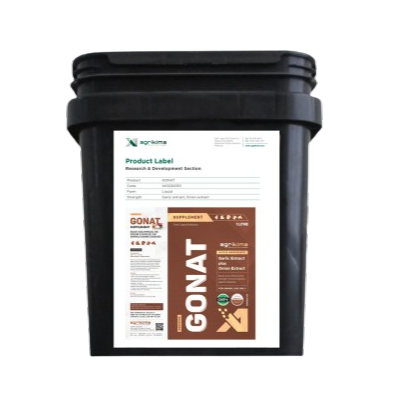
Utilizing quality veterinary products and supplements can further support animal health and pasture productivity, leading to a more sustainable farming operation.