How to Test Feed Moisture at Different Production Stages
Importance of Feed Moisture Testing
Feed moisture testing is a crucial practice for farmers who aim to maintain the quality and nutritional value of animal feed. Understanding the moisture content can prevent spoilage, ensuring that your livestock receive the best possible nutrition.
Stages of Feed Production
Feed production involves several stages where moisture levels can vary significantly. Testing moisture content at each of these stages is essential to ensure quality.
1. Raw Material Stage
Before any feed formulation takes place, it's vital to check the moisture content of raw materials like grains, forages, and other ingredients. This ensures that the materials are suitable for mixing and storage.
- Use a moisture meter feed to quickly assess moisture levels in grains and other raw materials.
- For bulk materials, consider using the oven drying method, where a sample is weighed, dried, and then weighed again to calculate moisture content.
2. Mixing Stage
Once raw materials are mixed to create animal feed, moisture testing becomes even more critical. The right moisture content during mixing affects the feed's nutritional quality and palatability.
- Test the mixed feed using a moisture meter to ensure it falls within the optimal range for storage and feeding.
- Maintain a moisture level of around 10-14% for grains to prevent spoilage.
3. Pellet Production Stage
During the pellet production process, moisture content plays a vital role in pellet binding and quality. If moisture levels are too low, pellets may crumble, while excessive moisture can lead to spoilage.
- Monitor moisture levels closely before, during, and after the pelleting process. Optimal moisture content enhances pellet binding and reduces fines, resulting in better feed quality.
- Consider using electronic moisture meters designed for feed production, which can provide real-time readings.
4. Storage Stage
After production, the feed must be stored correctly to preserve its quality. Moisture content at this stage is essential for preventing spoilage and maintaining nutritional value.
- Regularly check moisture levels in stored feed, especially during humid seasons, to avoid mold growth and nutrient degradation.
- Use a moisture meter feed for continuous monitoring, or employ desiccants to control moisture in storage areas.
Testing Techniques for Accurate Results
Several methods are available for testing moisture content effectively at different production stages.
1. Oven Drying Method
This traditional method involves weighing a sample of feed, drying it in an oven, and then weighing it again.
- Weigh the feed sample before drying.
- Place it in an oven set at 105°C for 24 hours.
- Weigh the sample again after drying to determine moisture loss and calculate moisture content.
2. Electronic Moisture Meters
Modern moisture meters provide a quick and efficient way to measure moisture content without the need for extensive drying procedures.
- Choose a moisture meter specifically designed for feed products to ensure accuracy.
- Calibrate the device regularly to maintain precise measurements.
Benefits of Proper Feed Moisture Testing
Investing time and effort into accurate feed moisture testing can yield numerous benefits:
- Spoilage Prevention: Maintaining proper moisture levels helps prevent mold and spoilage, ensuring that your livestock receive high-quality feed.
- Improved Feed Quality: Understanding moisture content enhances pellet quality and overall nutritional value, leading to healthier animals.
- Cost Efficiency: Reducing spoilage and maintaining high feed quality can lower feed costs and improve overall farm profitability.
Conclusion
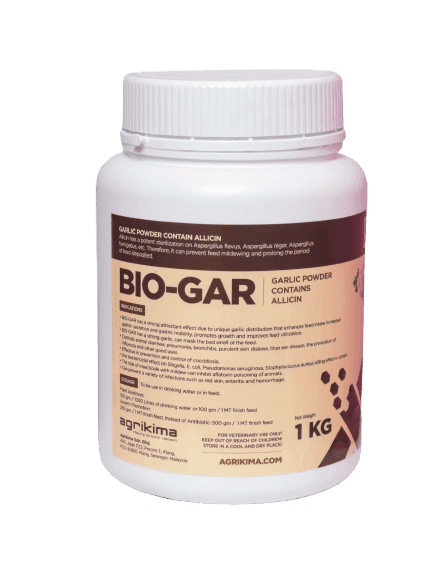
Effective feed moisture testing at different production stages is essential for maintaining the quality and nutritional value of animal feed. By utilizing moisture meters and understanding the appropriate moisture levels, farmers can prevent spoilage and ensure their livestock receive optimal nutrition. Consider incorporating quality veterinary products and supplements to further enhance animal health.
Your message to the team
Sources: Read More
- Measuring Moisture Content in Feed — Penn State Extension
- Feed Moisture Testing Methods — Food and Agriculture Organization (FAO)
- Moisture Content Determination in Animal Feed — Iowa State University Extension and Outreach
- Preventing Feed Spoilage through Moisture Control — Dairy Nutrition
- Pellet Quality and Moisture Content — Feed Strategy