Training Heifer Milking: A Comprehensive Guide

Introduction to Heifer Milking Training
Training a heifer for milking is a critical step in ensuring she becomes a productive member of your dairy herd. Proper training not only prepares her for the milking process but also promotes better udder health and reduces stress during milking sessions. This guide will walk you through the essential steps and techniques for effective training of your heifers, focusing on both hand and machine milking.
Understanding the Importance of Training Heifers
Proper training of heifers before their first calving can significantly reduce milking time and improve udder health [1]. Additionally, introducing heifers to the milking parlor environment prior to calving helps them acclimate and reduces stress during actual milking sessions [2]. For first calf heifers, special attention is needed to ensure they reach their full milk production potential [3].
Steps to Train a Heifer for Milking
1. Early Exposure to the Milking Environment
Start by bringing your heifers into the milking parlor at a young age. This exposure helps them become familiar with the sights, sounds, and smells of the parlor, making the actual milking process less intimidating.
Use positive reinforcement, such as treats or gentle petting, to create a positive association with the milking area.
2. Gradual Introduction to Milking
Begin by allowing the heifer to watch other cows being milked. This observational learning can help reduce fear and anxiety.
Introduce her to the milking machine gradually. Let her stand next to the machine while it is turned off to familiarize her with it.
3. Hand Milking Techniques
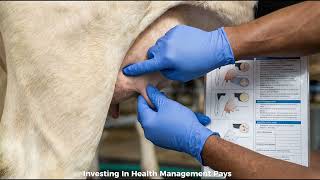
Start hand milking the heifer in a calm and quiet environment. Use a gentle touch and speak softly to her throughout the process.
Practice proper hand milking techniques, ensuring you are comfortable and confident. This will help her feel more secure and relaxed.
4. Machine Milking Training
Once she is comfortable with hand milking, gradually introduce the machine. Start with the machine turned off, gradually moving to the on position once she is accustomed.
Observe her body language. If she seems anxious, take a step back and allow her more time to acclimate.
5. Consistent Routine
Establish a consistent milking schedule. Heifers thrive on routine, which helps them adjust to milking times and reduces stress.
Try to maintain the same personnel for milking to develop trust and familiarity, which can ease the heifer into the process.
6. Monitor for Signs of Stress
Keep an eye on the heifer’s behavior during training. Signs of stress may include excessive movement, vocalization, or reluctance to enter the milking area.
If you notice these signs, take a step back and allow her to adjust at her own pace.
Nutritional Support for Heifers
Proper nutrition plays a vital role in a heifer’s development and readiness for milking. Ensure that she receives a balanced diet rich in the necessary nutrients to support her growth and future milk production capabilities [4]. Quality veterinary products and supplements can help improve her overall health and ensure she is prepared for her first calving.
Post-Training Care and Management
After your heifer has been trained for milking, it’s essential to manage her effectively during her first lactation. First-calf heifers require special attention to nutrition and management to ensure they reach their full milk production potential [3].
Provide a balanced diet tailored to her needs, focusing on energy, protein, and minerals.
Continue to monitor her udder health and milk production closely, making adjustments as necessary.
Conclusion
Training heifers for milking is a fundamental aspect of dairy farming that can lead to improved productivity and healthier animals. By introducing them gradually to the milking process and maintaining a consistent routine, you can foster a positive experience for both you and your heifer. Remember that quality nutrition and veterinary products can further enhance her development, ensuring she thrives in your dairy operation.
Sources
- Training Heifers for Milking — Penn State Extension
- Preparing Heifers for Milking — Farmer's Weekly
- Managing First-Calf Heifers for Optimal Milk Production — Michigan State University Extension
- Dairy Heifer Development — University of Arkansas Division of Agriculture
- Milking Management of Dairy Heifers — Food and Agriculture Organization of the United Nations