Mastering Transition Cow Management for Optimal Lactation

Understanding Transition Cow Management
Transition cow management refers to the crucial period surrounding calving where the health and nutrition of the cow significantly influence her future milk production. This three-week window—starting three weeks pre-calving and extending to three weeks post-calving—is critical for setting the stage for a successful lactation.
The Importance of Dry Cow Nutrition
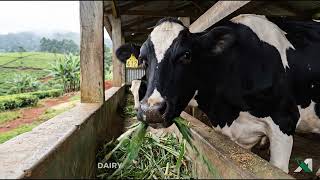
Proper dry cow nutrition is fundamental during the transition phase. Cows require a diet that supports fetal growth and prepares their bodies for lactation. Here are some key components:
- Energy: Ensure adequate energy levels to prevent metabolic disorders.
- Protein: A balance of protein is necessary for fetal development and milk production initiation.
- Vitamins and Minerals: Essential elements like calcium, phosphorus, and magnesium should be included to support overall health.
Strategies for Effective Dry Cow Nutrition
Implement these strategies for optimal dry cow nutrition:
- Monitor body condition scores (BCS) and adjust feed accordingly.
- Incorporate high-quality forage and concentrate feeds.
- Utilize supplements that support vitamin and mineral intake.
Pre-Calving Feeding: Setting the Stage
Pre-calving feeding is vital for preparing cows for the rigors of lactation. Proper nutrition during this period can help mitigate fresh cow problems such as milk fever and ketosis.
Feeding Guidelines
Follow these guidelines to ensure effective pre-calving feeding:
- Gradually adapt the diet to increase energy density as calving approaches.
- Provide access to clean, fresh water at all times.
- Implement a transition diet that includes high-quality forages mixed with concentrates.
Addressing Fresh Cow Problems
Fresh cow problems can arise shortly after calving, often linked to nutrition and management practices during the transition period. Common issues include:
- Milk fever: Often due to low calcium levels.
- Ketosis: Caused by negative energy balance post-calving.
- Metritis: An infection of the uterus that can occur if hygiene is not maintained during calving.
Preventive Measures
To prevent fresh cow problems, consider the following:
- Administer calcium supplements prior to calving to reduce the risk of milk fever.
- Monitor feed intake closely after calving to ensure cows are eating enough.
- Maintain strict hygiene protocols during calving to prevent infections.
Monitoring and Adjustment
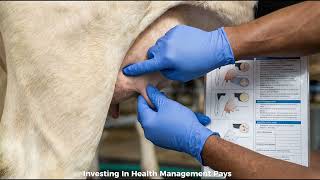
Continuous monitoring during the transition period is essential. Regularly assess the health and body condition of cows and make necessary adjustments to their diet and management practices. Use quality veterinary products and supplements as needed to support their health.
Key Indicators to Monitor
Keep an eye on these indicators:
- Body condition score (BCS)
- Feed intake and health of the fresh cows
- Milk production levels post-calving
Conclusion
Effective transition cow management is critical for ensuring healthy lactation and maximizing milk production. By focusing on dry cow nutrition, implementing a strategic pre-calving feeding plan, and addressing potential fresh cow problems proactively, farmers can significantly enhance their dairy operations. Remember, investing in quality veterinary products and supplements can make a considerable difference in the health and productivity of your cows.