Tips for Transporting Pigs Without Stress or Injury
Understanding the Importance of Safe Transport
Transporting pigs safely is crucial not only for the welfare of the animals but also for maintaining the quality of pork products. Stress during transport can lead to health issues and impact meat quality. Therefore, preparing for the journey and ensuring proper handling is essential.
Preparing for the Journey
Before transporting pigs, ensure that you have everything in place to make the trip as smooth as possible. Here are some key tips:
- Assess Weather Conditions: Pigs are sensitive to extreme temperatures. Always check the weather forecast and plan your transportation during cooler parts of the day, especially in hot weather conditions, to avoid overheating.
- Use the Right Vehicle: Ensure that your transport vehicle is well-ventilated, clean, and designed specifically for pigs. This helps in minimizing stress and ensuring their safety.
- Ensure Proper Stocking Density: Provide enough space for each pig. A 200lb pig requires a minimum of 3.5 sq. ft per animal, increasing the space needed during hot weather.
Loading Pigs with Care
Loading is a critical phase where pigs can easily become stressed. Follow these guidelines to load pigs effectively:
- Utilize a Pig Loading Ramp: A pig loading ramp should have a gentle incline, ideally not exceeding 20 degrees for non-adjustable ramps, to prevent slips and falls.
- Non-slip Flooring: Ensure that the ramp and the vehicle flooring have non-slip surfaces to help pigs maintain their footing during loading and unloading.
- Use Quiet Handling Techniques: Always use a stock board to guide pigs into the trailer quietly. Avoid sudden movements or loud noises, as they can increase stress levels.
During Transport
While on the road, it’s essential to monitor the pigs to ensure they remain calm and comfortable:
- Maintain a Steady Speed: Drive smoothly to avoid jostling the pigs. Sudden stops or sharp turns can cause injury or stress.
- Monitor Temperature: Check the temperature inside the vehicle regularly. If it becomes too hot, consider stopping to provide ventilation or cooling measures.
- Provide Water: If the journey is long, consider providing water to the pigs at regular intervals to keep them hydrated.
Unloading Pigs Safely
Unloading is just as important as loading. Here’s how to do it safely:
- Use a Gradual Approach: Like loading, unloading should be gradual. Open the trailer door and allow the pigs to exit at their own pace.
- Clear Pathway: Ensure the area where pigs will be unloaded is clear of obstacles. This helps prevent slips and injuries as they leave the trailer.
- Continue Using Stock Boards: Use stock boards to guide the pigs out comfortably without forcing them.
Post-Transport Care
Once the pigs are unloaded, they need immediate care to ensure their well-being:
- Provide a Calm Environment: Once they have arrived at their destination, ensure the pigs have a calm space to settle down. This reduces stress and allows them to acclimatize to their new surroundings.
- Check for Injuries: Inspect each pig for any signs of injury or distress after unloading. Immediate attention to any issues can prevent further health complications.
- Ensure Proper Feeding: After a stressful journey, pigs may need time before they eat. However, ensure that they have access to fresh, clean water and quality feed once they settle.
Conclusion
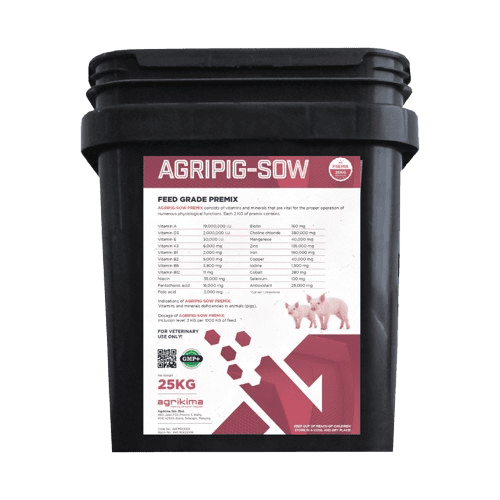
Transporting pigs safely requires planning, patience, and the right equipment. By following these tips, farmers can minimize stress and injury during transport, ensuring that pigs arrive healthy and ready for their next phase. Quality veterinary products and supplements can also aid in maintaining the health and well-being of pigs during transport and afterward. Always prioritize the welfare of the animals to improve pork quality transport and overall productivity.
Your message to the team
Sources: Read More
- Welfare of Pigs During Transport — Swine Extension
- Handling Pigs — Swine Extension
- Transport and Care of Pigs — Animal Welfare Extension
- Animal Transportation — National Agricultural Library
- Good Practices for Biosecurity in the Pig Sector — Food and Agriculture Organization (FAO)
- Loading and Unloading Weaned Pigs: Effects of Bedding Types, Ramp Angle, and Bedding Moisture — AGRICOLA Database