Essential Vaccination and Deworming Calendar for Pigs
A Simple Vaccination and Deworming Calendar for Smallholder Pigs
Managing the health of your smallholder pigs is crucial for ensuring productivity and profitability. A well-structured pig vaccination deworming calendar can help you keep track of necessary health measures and maintain the overall well-being of your herd. This guide provides a straightforward vaccination and deworming schedule tailored for smallholder pig farmers.
Understanding the Importance of a Health Schedule
A consistent swine health schedule is vital for preventing diseases that can affect growth and productivity. Vaccination protects pigs from various infectious diseases, while deworming helps control parasites that can cause serious health issues. Implementing a structured plan helps you manage these health measures effectively.
Vaccination Schedule
Vaccinations are essential for preventing diseases such as Porcine Parvovirus, Erysipelas, and Leptospirosis. Here’s a basic vaccination plan:
- 3-4 weeks old: Vaccinate against Porcine Parvovirus and Leptospirosis.
- 8 weeks old: Booster shot for Porcine Parvovirus and Leptospirosis.
- 12 weeks old: Vaccination against Erysipelas.
- Before breeding: Vaccinate sows and boars against Parvovirus and Leptospirosis.
- Annually: Revaccinate all pigs for Erysipelas and other relevant diseases.
Consult your veterinarian to tailor the piggery vaccination plan to your specific herd needs and local disease prevalence.
Deworming Schedule
Deworming is crucial for maintaining pig health, especially in outdoor systems where parasites thrive in soil. Here’s a simple deworming schedule:
- 4-6 weeks old: Administer the first deworming treatment.
- Every 2-3 months: Continue deworming until pigs reach market weight.
- Post-breeding: Deworm sows to prevent transferring parasites to piglets.
- Seasonal: Conduct a thorough deworming during wet seasons when parasites are more prevalent.
Following these guidelines can significantly reduce the risk of parasitic infections that can affect growth and overall swine health.
Practical Tips for Effective Administration
Administering vaccinations and deworming products can be straightforward if done correctly. Here are some practical tips:
- Preparation: Always ensure the vaccination and deworming products are suitable for the age and weight of the pigs.
- Method: Use appropriate methods for administration, such as injections or oral doses, based on the product instructions. Refer to resources for administering deworming products effectively.
- Cleanliness: Maintain a clean environment to reduce the risk of disease transmission.
- Monitoring: After administration, observe pigs for any adverse reactions and consult a veterinarian if needed.
Implementing Biosecurity Measures
Alongside a vaccination and deworming calendar, biosecurity is essential for protecting your herd. Here are some biosecurity measures to consider:
- Keep new arrivals separate for at least 30 days to monitor for signs of disease.
- Regularly sanitize equipment and facilities to prevent pathogen spread.
- Limit visitors to your farm and ensure they follow proper hygiene protocols.
Implementing these measures helps maintain a healthy pig population and prevents outbreaks of diseases.
Conclusion
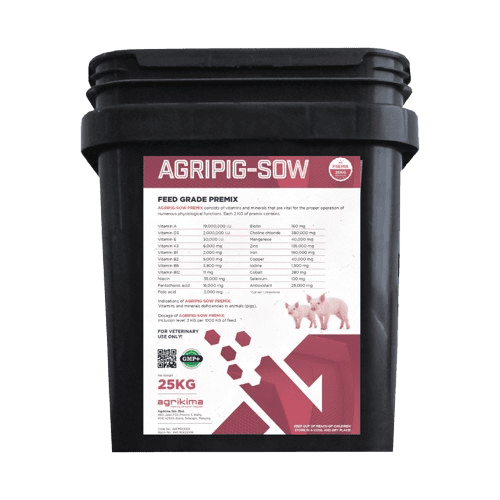
A well-planned pig vaccination deworming calendar is essential for maintaining the health and productivity of smallholder pigs. By following a structured vaccination and deworming schedule, alongside effective biosecurity measures, you can ensure the well-being of your herd. For optimal results, consider incorporating quality veterinary products and supplements to support your pigs' health.
Your message to the team
Sources: Read More
- Deworming recommendations for pasture-raised pigs in Michigan — Michigan State University Extension
- Administering Deworming Products for Pigs — Michigan State University Extension
- Pig Safety Tips: Before, During, and After the Show — Animal and Plant Health Inspection Service (APHIS)
- Stay Smart Tips: General Biosecurity — Animal and Plant Health Inspection Service (APHIS)
- Pork Industry Handbook Guidelines for the Development of a Swine Herd Health Calendar — University of Minnesota Extension