Vaccination: A Key to Reducing Antibiotic Use
Introduction
In the world of agriculture, especially in poultry and livestock farming, the use of antibiotics has been a significant concern due to the rise of antimicrobial resistance (AMR). Farmers are increasingly seeking effective methods to minimize antibiotic usage while maintaining animal health and productivity. One of the most powerful tools in this endeavor is vaccination. This article explores how vaccination can reduce antibiotic use, support livestock immunization stewardship, and promote preventive vaccination farming practices.
Understanding the Role of Vaccination
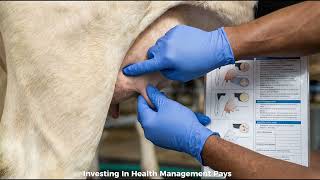
Vaccination is a preventive healthcare measure that stimulates an animal's immune response to fight off specific infectious diseases. By preventing these diseases, farmers can reduce the incidence of infections that would otherwise require antibiotic treatment. According to the Food and Agriculture Organization (FAO), vaccination plays a crucial role in preventing infectious diseases in livestock, thereby reducing the need for antibiotic treatments and mitigating the risk of antimicrobial resistance.
How Vaccination Reduces Antibiotic Use
Implementing effective vaccination programs can significantly decrease the incidence of bacterial infections in poultry and livestock. The National Center for Biotechnology Information (NCBI) highlights that proper vaccination strategies in poultry can lead to a reduced reliance on antibiotics. This reduction is achieved through:
- Prevention of Disease Outbreaks: Vaccines help prevent the outbreak of diseases that can lead to high mortality rates and the need for extensive antibiotic treatment.
- Improved Animal Health: Healthier animals are less susceptible to infections, which means less need for antibiotics.
- Economic Benefits: Reducing antibiotic use not only improves animal welfare but also decreases treatment costs and enhances marketability due to lower antibiotic residues in products.
Implementing Vaccination Strategies
To effectively reduce antibiotic use through vaccination, farmers should consider the following strategies:
1. Develop a Comprehensive Vaccination Schedule
Every farm is unique, and so are its vaccination needs. Collaborate with a veterinarian to create a tailored vaccination schedule that addresses the specific diseases prevalent in your area. Essential vaccines can include:
- Newcastle disease vaccines for poultry
- Brucellosis vaccines for cattle
- Porcine reproductive and respiratory syndrome (PRRS) vaccines for pigs
2. Educate and Train Staff
Ensure that all farm staff are educated about the importance of vaccination and understand the vaccination protocols. Training should cover:
- When and how to administer vaccines
- Recognizing signs of infectious diseases
- Record-keeping to track vaccinations
3. Monitor and Evaluate Vaccine Efficacy
Regularly evaluate the effectiveness of your vaccination program. Keep records of vaccination dates, animal health outcomes, and any instances of disease outbreaks. This data will help you adjust your strategies over time.
Preventive Vaccination Farming
Preventive vaccination farming is a proactive approach that emphasizes the importance of immunization to maintain herd health. The Centers for Disease Control and Prevention (CDC) states that preventive vaccination is a critical strategy to reduce the occurrence of infectious diseases, thereby decreasing the need for antibiotics.
Benefits of Preventive Vaccination
- Enhanced Animal Welfare: Vaccinated animals are less likely to suffer from severe diseases, leading to better welfare outcomes.
- Reduced Antibiotic Resistance: By minimizing antibiotic use, farmers contribute to the global effort to combat AMR, ensuring that antibiotics remain effective for future generations.
- Increased Productivity: Healthy animals are more productive, leading to higher yields in milk, eggs, or meat.
Livestock Immunization Stewardship
Implementing livestock immunization stewardship practices is vital for responsible antibiotic use. The American Veterinary Medical Association (AVMA) emphasizes that vaccination is a fundamental aspect of livestock immunization programs, contributing to antibiotic stewardship by preventing diseases that would otherwise require antibiotic treatment.
Quality Veterinary Products and Supplements
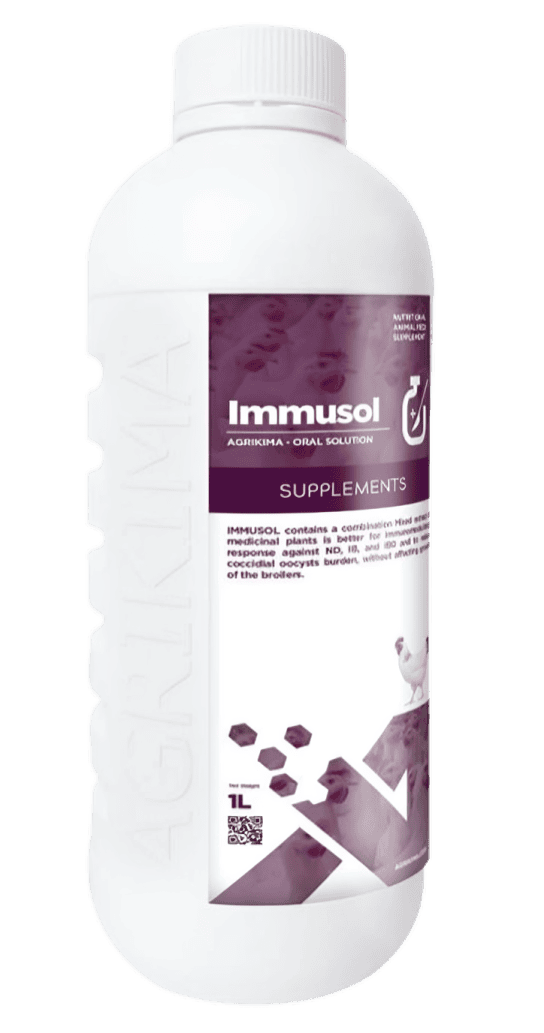
To maximize the effectiveness of your vaccination programs, consider integrating quality veterinary products and supplements. Products that boost overall animal health can enhance the immune response to vaccines. Agrikima offers a range of natural animal health solutions and supplements designed to support the health and productivity of your livestock.
Conclusion
Vaccination is a powerful tool in the fight against antibiotic overuse in poultry and livestock farming. By implementing effective vaccination strategies and embracing preventive vaccination farming, farmers can significantly reduce their reliance on antibiotics, improve animal health, and contribute to global efforts against antimicrobial resistance. Investing in quality veterinary products and maintaining good husbandry practices will further enhance the benefits of vaccination, leading to healthier farms and sustainable agricultural practices.
Your message to the team
Sources: Read More
- Vaccination: A Key Tool in Reducing Antibiotic Use in Livestock — Food and Agriculture Organization (FAO)
- The Role of Vaccines in Reducing Antibiotic Use in Poultry — National Center for Biotechnology Information (NCBI)
- Vaccination Strategies to Reduce Antibiotic Use in Livestock — Purdue University Extension
- Preventive Vaccination in Farming: A Strategy to Combat Antimicrobial Resistance — Centers for Disease Control and Prevention (CDC)
- Livestock Immunization and Antibiotic Stewardship — American Veterinary Medical Association (AVMA)