How Vaccination Reduces Antibiotic Dependence in Livestock
Understanding the Importance of Vaccination
Vaccination programs are essential in modern livestock management, focusing on disease prevention and animal health. By implementing effective vaccination strategies, farmers can not only protect their livestock but also significantly reduce their reliance on antibiotics. This is crucial in combating the growing threat of antimicrobial resistance (AMR).
How Vaccines Prevent Diseases
Vaccines work by stimulating an animal's immune system, preparing it to fight off specific diseases without causing the disease itself. When livestock are vaccinated, they are less likely to contract infections that would otherwise necessitate antibiotic treatment. This proactive approach to health management directly correlates to a decrease in the need for antibiotics.
Key Benefits of Vaccination
- Disease Prevention: Vaccination is a proven method for preventing outbreaks of infectious diseases, which are common in livestock populations.
- Reduced Antibiotic Use: With fewer diseases, the need for antibiotics decreases, helping to combat AMR and maintain effective treatments for when they are truly needed.
- Improved Animal Welfare: Healthier animals lead to better productivity and overall welfare, creating a more sustainable farming operation.
Vaccination and Antibiotic Reduction
According to research, comprehensive vaccination programs are associated with a significant reduction in antibiotic use. Implementing these programs minimizes disease incidence, which is often the primary reason for antibiotic prescriptions in livestock. The World Health Organization (WHO) emphasizes that reducing antibiotic use is vital for preserving their effectiveness in both veterinary and human medicine.
Specific Vaccines That Aid in Antibiotic Reduction
Different vaccines target various diseases, and their effectiveness can vary based on the livestock type. Here are some examples of vaccines that help in reducing antibiotic dependence:
- Vaccines for Respiratory Diseases: Conditions like pneumonia can lead to extensive antibiotic use. Vaccines can prevent these infections effectively.
- Vaccines Against Enteric Diseases: Gastrointestinal infections in livestock can lead to severe health issues and the need for antibiotics. Vaccination helps in keeping these diseases at bay.
- Reproductive Health Vaccines: Vaccines that target reproductive diseases can also reduce the use of antibiotics needed for treating infections in breeding animals.
Implementing a Successful Vaccination Program
To establish an effective vaccination program, farmers should consider the following steps:
- Consult with a Veterinarian: A veterinarian can help devise a tailored vaccination schedule based on the specific needs of your livestock.
- Educate Yourself and Your Staff: Understanding the importance and schedule of vaccinations will ensure that all animals receive their necessary doses on time.
- Monitor Animal Health: Keep detailed records of vaccinations and any health issues that arise. This data can help in evaluating the effectiveness of the vaccination program.
- Use Quality Veterinary Products: Ensure that you are using high-quality vaccines and veterinary products to maximize the health benefits for your livestock.
Addressing Common Concerns about Vaccination
Some farmers may have concerns about vaccinations, including potential side effects or perceived costs. However, the benefits of vaccination far outweigh these concerns:
- Side Effects: Most side effects are mild and temporary, while the risks of disease without vaccination are significant.
- Cost-Effectiveness: Investing in vaccines can save money in the long run by reducing veterinary bills for antibiotic treatments and improving overall herd health.
Conclusion
In summary, vaccination programs play a critical role in reducing antibiotic dependence in livestock farming. By preventing diseases that lead to antibiotic treatments, farmers can improve animal welfare and contribute to the global fight against antimicrobial resistance. Investing in quality veterinary products and maintaining a proactive vaccination strategy are essential steps for any livestock operation.
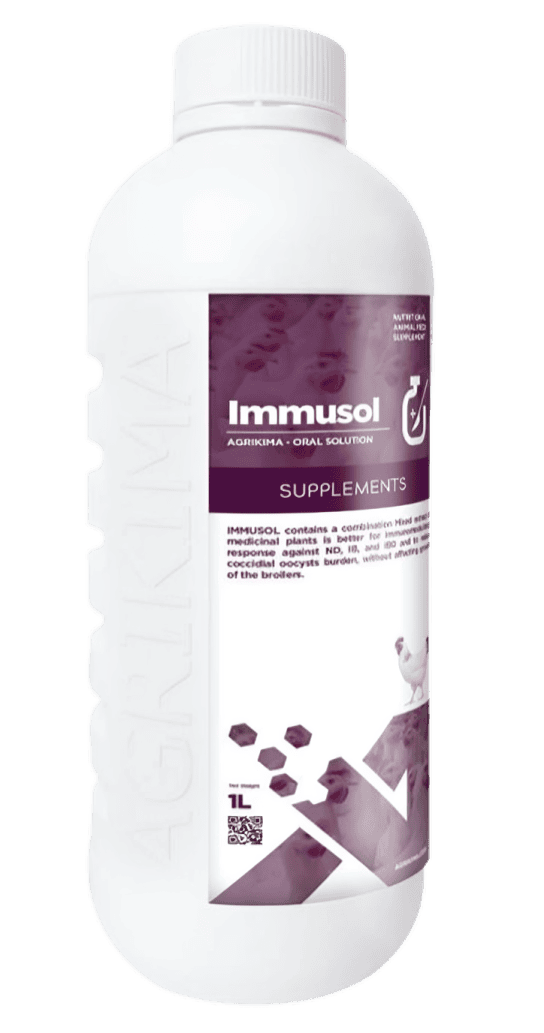
For farmers looking to enhance their livestock's health, Agrikima offers a range of natural animal health solutions and quality veterinary products to support effective vaccination programs.
Your message to the team
Sources: Read More
- Vaccination Programs in Livestock: A Key Strategy to Reduce Antibiotic Use — Food and Agriculture Organization (FAO)
- The Role of Vaccination in Reducing Antibiotic Use in Livestock — National Center for Biotechnology Information (NCBI)
- Livestock Vaccination: A Strategy to Reduce Antibiotic Use and Combat AMR — Centers for Disease Control and Prevention (CDC)
- Vaccination as a Tool to Reduce Antibiotic Use in Livestock Production — Purdue University Extension
- The Impact of Vaccination on Antibiotic Use in Livestock — ScienceDirect
- Vaccination Programs and Their Role in Reducing Antibiotic Dependence in Livestock — American Veterinary Medical Association (AVMA)