When to Cull a Sow: Optimizing Parity and Performance
Understanding Sow Parity Structure
The concept of sow parity structure refers to the age distribution of sows within a breeding herd. This structure plays a crucial role in determining the overall productivity of a pig farm. An ideal parity structure typically includes a mix of sows across different parities, with around 17% being first-parity sows and about 42% in parities 3 to 5. Keeping parity levels balanced ensures that the farm can sustain high productivity and reproductive performance.
When to Cull a Sow
Knowing when to cull a sow is vital for maintaining a productive breeding herd. Research indicates that the most economical time to remove a sow from the herd is after her eighth or ninth parity. This timing generally leads to a breeding herd comprising 18 to 20% gilts and an average parity of 3.5 to 4.0, which is optimal for production.
Indicators for Culling
Several indicators can help farmers decide when it is time to cull a sow:
- Litter Size Decline: A consistent decrease in litter size is a primary indicator of reduced productivity. Sows that fail to produce a satisfactory number of piglets should be considered for culling.
- Increased Wean-to-First-Service Interval: If a sow takes longer to return to estrus after weaning, it indicates potential reproductive issues, which may justify culling.
- Health Issues: Chronic health problems or poor body condition can also be a reason to cull a sow, as they may affect her ability to conceive and produce healthy litters.
Impact of Litter Performance on Culling Decisions
The performance of a sow regarding her litter is directly related to the decision of whether to keep or cull her. Studies show that sows that produce fewer piglets or experience complications in farrowing are at a higher risk of being culled. For instance, sows removed after their first litter typically show inferior performance compared to those that remain productive through their third parity.
Understanding Replacement Rates
Replacement rates are crucial for maintaining a productive herd. High replacement rates can lead to increased costs and decreased productivity. Farms that maintain stable mid-parity populations (3-5 parities) typically produce more pigs weaned per female per year compared to those with fluctuating parity structures.
Optimal Breeding Strategies
To optimize breeding strategies, consider the following:
- Maintain a balanced parity structure by regularly assessing and adjusting your herd composition. Aim for a mix that includes first-parity sows, sows in their third to fifth parity, and limit those in their eighth parity and beyond to no more than 4%.
- Implement a systematic culling process based on performance metrics rather than emotional attachment. This ensures that only the most productive sows remain in the breeding pool.
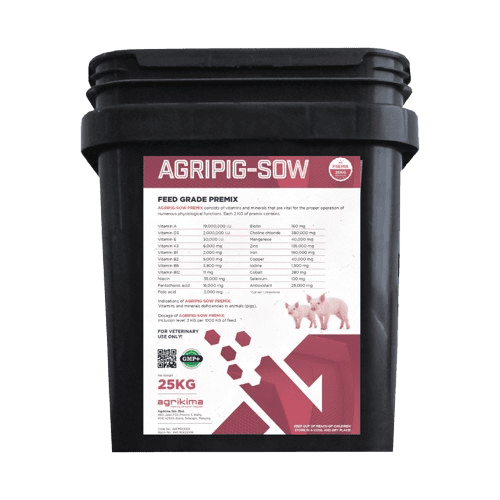
- Invest in quality veterinary products and supplements to improve the health and productivity of your sows. Healthier sows are more likely to produce larger litters and maintain a consistent reproductive cycle.
Conclusion
Making informed decisions on when to cull a sow is essential for optimizing herd productivity and profitability. Understanding sow parity structure and litter performance can help farmers maintain an effective breeding program. Regular assessment of sow performance and health, along with strategic culling, will ensure a thriving and productive pig farming operation.
Your message to the team
Sources: Read More
- Optimal parity distribution – when is the best time to cull sows? — Kansas Agricultural Experiment Station (K‑State Extension)
- The impact of herd age structure on the performance of commercial sow‑breeding farms — Porcine Health Management (IRTA & University of Córdoba)
- Evaluation of Current Reasons for Removal of Sows from Commercial Farms — The Professional Animal Scientist
- Using the Genetic Lag Value to Determine the Optimal Maximum Parity for Culling in Commercial Swine Breeding Herds — The Professional Animal Scientist (Iowa State Univ.)
- Sow removal in commercial herds: Patterns and animal level factors in Finland — University of Helsinki (peer‑reviewed cohort study)
- Within‑farm variability in age structure of breeding‑female pigs and reproductive performance on commercial swine breeding farms — Preventive Veterinary Medicine / ScienceDirect