Understanding White Muscle Disease in Kids and Lambs
What is White Muscle Disease?
White muscle disease (WMD) is a nutritional disorder that primarily affects young goats and lambs, particularly those under six months of age. This condition is linked to deficiencies in selenium and vitamin E, essential nutrients that play a crucial role in muscle health and overall vitality. Kids and lambs are particularly vulnerable due to their low body reserves and rapid growth rates, making adequate nutrition essential for their well-being.
Causes of White Muscle Disease
The primary cause of white muscle disease is a deficiency of selenium and vitamin E in the diet. Selenium is a vital trace mineral found in soil and forages, while vitamin E is a fat-soluble vitamin that is often low in stored feeds. In regions where selenium-deficient soils prevail, goats and sheep are at a higher risk of developing this condition. Additionally, pregnant does and ewes with inadequate selenium and vitamin E intake can pass these deficiencies on to their offspring, increasing the likelihood of weak newborns suffering from WMD.
Symptoms to Watch For
Farmers should be vigilant for the following signs of white muscle disease in kids and lambs:
- Lethargy and weakness
- Stiffness, particularly in the hind limbs
- Saw-horse stance
- Difficulty standing or walking
- Firm and painful muscles
- Respiratory distress if the heart muscle is affected
These symptoms typically manifest in kids aged one week to four months, and prompt attention is crucial to prevent severe consequences, including death due to acute muscle degeneration.
Preventing White Muscle Disease
Effective prevention of white muscle disease involves ensuring that pregnant does and ewes receive adequate selenium and vitamin E supplementation 4–6 weeks before lambing or kidding. This proactive measure helps bolster the health of newborns and reduces the risk of weaknesses and stiff legs in kids and lambs.
Supplementation Guidelines
Here are some practical guidelines for supplementing selenium and vitamin E:
- Consult with a veterinarian to assess dietary needs based on local soil selenium levels.
- Use high-quality veterinary supplements that contain both selenium and vitamin E, ensuring they meet the recommended dosages for pregnant animals.
- Consider injectable forms of selenium and vitamin E for immediate treatment of affected animals, particularly in acute cases of WMD.
- Regularly test forage and feed for nutrient content to ensure adequacy in selenium and vitamin E levels.
Treatment Options for Affected Animals
If white muscle disease is diagnosed, treatment usually involves administering selenium and vitamin E injections to affected kids and lambs. Early intervention is critical to improving their condition and preventing further complications. Here are some treatment steps to consider:
- Administer selenium and vitamin E injections as prescribed by your veterinarian.
- Provide supportive care, including hydration and nutrition, to help strengthen weak animals.
- Monitor the progress of treated kids and lambs closely, adjusting care as needed based on their response.
Importance of Quality Nutrition
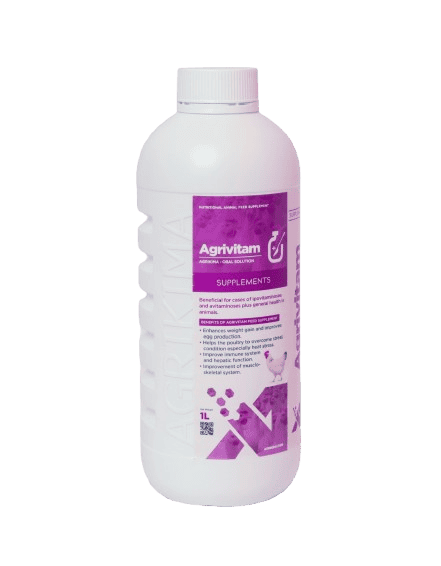
To prevent white muscle disease effectively, it is essential to focus on quality nutrition for your herd. This includes ensuring that forage is rich in necessary nutrients and considering the use of high-quality feed additives and supplements that can aid in overall animal health. Agrikima offers a range of veterinary products specifically designed to support the health and vitality of dairy, poultry, and livestock farmers, ensuring that your animals receive the best care possible.
Conclusion
White muscle disease is a serious condition that can affect the health of kids and lambs significantly. By understanding the causes, recognizing the symptoms, and implementing effective prevention strategies, farmers can protect their livestock from this potentially fatal disease. Ensure your herd is receiving adequate selenium and vitamin E, and consider quality supplements to maintain their health and vigor.
Your message to the team
Sources: Read More
- Educational Tips for Farmers: White Muscle Disease in Sheep and Goats — Mississippi State University Extension Service
- White Muscle Disease in Goats — MSD Veterinary Manual
- Livestock Health Series: White Muscle Disease in Lambs and Kids FSA3157 — University of Arkansas System Division of Agriculture Extension
- Nutritional Myodegeneration (White Muscle Disease) in Goats — Merck Veterinary Manual
- Vitamin E supplementation for sheep and goats — Michigan State University Extension
- White Muscle Disease in Small Ruminants — University of Maryland Small Ruminant Extension via Ohio State University Small Ruminant Team