What it is
CCPP is caused by Mycoplasma capricolum subspecies capripneumoniae, often shortened to Mccp. Mycoplasmas are tiny bacteria that have no cell wall, so some common antibiotics such as penicillin do not work on them. When a goat breathes in droplets from an infected goat, the organism settles in the lungs. It causes strong inflammation of the lung tissue (pneumonia) and of the pleura, the thin skin that lines the chest and covers the lungs (pleurisy). The chest fills with straw-coloured fluid and yellow, sticky clots called fibrin, and the lung becomes hard and stuck to the chest wall. Often one side of the chest is worse than the other. Because the lung cannot expand properly, the goat struggles to get enough air, which is why it stretches its neck, opens its mouth and breathes hard. The damage stays mostly in the chest; unlike some other goat diseases it does not usually cause diarrhoea, mouth sores or swollen joints. Goats that survive may keep damaged, scarred lungs, and some may carry the organism and pass it to others. The disease affects goats; sheep are rarely if ever affected in the field, and some wild relatives of goats can be affected.
Which animals are most at risk
Goats of all ages and breeds can be affected, including Galla, Small East African, Toggenburg, Saanen and crossbred dairy goats. Herds that have never been exposed or vaccinated suffer the worst losses, and kids and pregnant does are especially vulnerable; pregnant does may abort. The disease is well established in pastoral areas of northern and eastern Kenya such as Turkana, Marsabit, Wajir, Mandera, Garissa, Isiolo and Samburu, and in rangelands of Kajiado and Narok, but it can reach any county through goat trade. Outbreaks often follow the cold, wet weather of the long and short rains, and periods of drought when herds trek long distances and mix at water points. Large herds kept tightly in night bomas, goats moved through markets, and zero-grazing units that buy in goats without quarantine are all at higher risk.
Signs to look for
Early signs
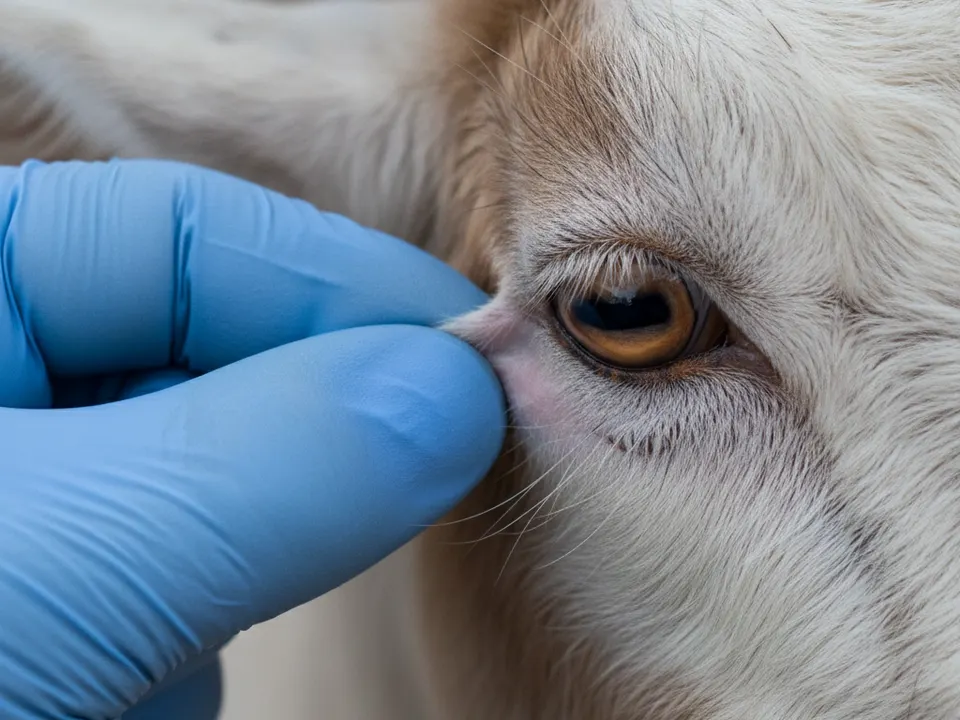
- A high fever, often above 41°C, measured with a thermometer in the rectum; the goat feels hot to the touch, especially at the ears and inside the thighs.
- The goat goes off feed, stops chewing the cud, looks dull and stands apart from the herd.
- Fast breathing, with the flanks moving more than usual even at rest.
- A cough that starts soft and becomes frequent and painful, often heard most at night or when goats are moved.
- Milk yield drops sharply in dairy does.
- Several goats in the herd showing similar signs within a few days, which is a key clue that this is a contagious disease.
As it gets worse
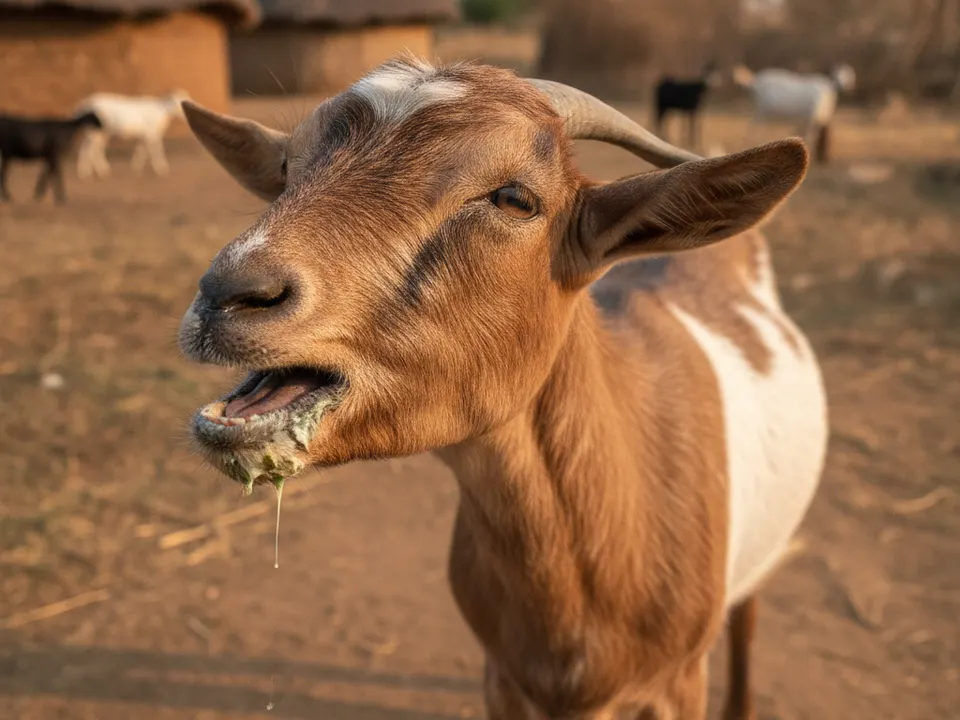
- Very laboured breathing with the neck stretched forward, the head held low and the mouth open.
- Grunting or groaning with each breath, showing chest pain.
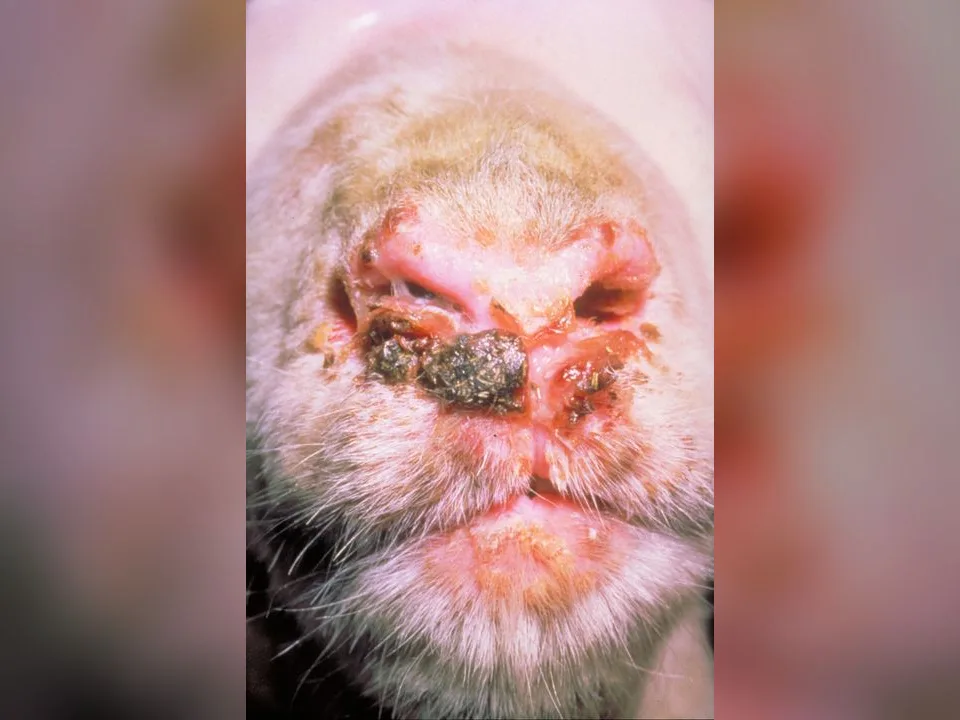
- Frothy saliva hanging from the mouth and a frothy or thick discharge from the nose.
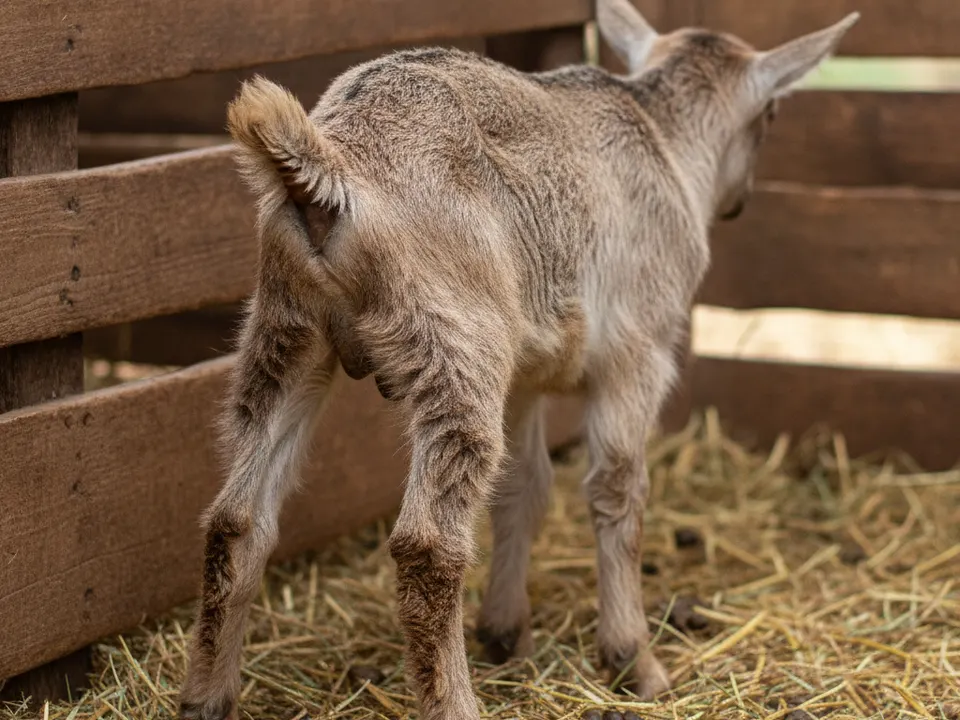
- Standing with front legs spread apart and refusing to lie down, or lying down and being unable to rise.
- Pain when the chest is pressed, and the goat may resist being handled.
- Pregnant does aborting during the outbreak.
- Rapid weakness and death, sometimes within a few days of the first signs, with many deaths across the herd.
What to do right now
- Stop all movement: do not sell, buy, lend, slaughter for sale or take any goats to market or to shared grazing and water points until the vet advises.
- Report the outbreak to your County Veterinary Officer or the nearest government veterinary office, because CCPP is a notifiable disease and reporting is required by law.
- Separate sick goats from healthy ones as far apart as possible, ideally in a different shelter with no nose-to-nose contact.
- Give the sick goats shade, shelter from wind, rain and cold, and a dry, well-ventilated space; avoid closed, stuffy sheds that make breathing harder.
- Make clean, fresh water and soft palatable feed such as fresh browse or good hay easy to reach, without forcing feed or water into the mouth of a goat that is struggling to breathe.
- Handle sick goats calmly and as little as possible, because stress and chasing can make breathing collapse.
- Keep a simple written record of each sick or dead goat, the date signs started, temperatures if you have a thermometer, and any goats bought or moved in the last month.
- Do not give antibiotics or other drugs on your own; wait for the vet, who will decide what treatment is right and allowed during an official response.
How it spreads
- The main route is breathing in droplets coughed or breathed out by sick goats, so close contact is the biggest risk.
- Crowding goats together at night in bomas, small sheds or during transport lets the organism pass very quickly from goat to goat.
- Bringing in new goats from markets, other herds or areas with the disease is the most common way it enters a clean herd.
- Recovered goats that look healthy may still carry the infection and can start a new outbreak when mixed with other goats.
- Livestock markets, watering points, dips and shared grazing where many herds mix help the disease jump between herds.
- Stress from cold, wet weather, long treks, drought migration, poor feeding and transport makes outbreaks more likely and more severe.
- The organism does not survive long outside the goat, so spread through the environment, feed or equipment is much less important than live goat contact.
- Once inside a goat it usually takes around one to two weeks before signs show, though this can vary, so a goat bought last week may look healthy and still be incubating the disease.
Could it be something else?
Pneumonic pasteurellosis (shipping fever, caused by Mannheimia and Pasteurella bacteria)
Pasteurellosis usually affects a smaller number of goats, often after a stress such as transport or a cold night, and sheep in the same herd may also get sick. CCPP tends to sweep through most of the goat herd, spares sheep, and causes heavy chest fluid at post-mortem. Only a vet and laboratory can tell them apart with certainty.
Peste des petits ruminants (PPR, goat plague)
PPR also causes fever and pneumonia, but goats usually have sores in the mouth, a bad smell from the mouth, sticky discharge from the eyes and nose, and watery diarrhoea. CCPP stays in the chest with no mouth sores or diarrhoea. PPR also affects sheep. Both are notifiable, so report either.
Lungworm (verminous pneumonia)
Lungworm causes a slow, long-lasting cough, usually without high fever, and goats stay fairly alert and keep eating. Signs build over weeks, not days, and deaths are few. CCPP is sudden, with high fever and many goats very ill at once.
Mycoplasma mycoides infection (MAKePS: mastitis, arthritis, keratitis, pneumonia, septicaemia)
This related mycoplasma can cause pneumonia, but it often also brings swollen painful joints, cloudy eyes and mastitis in does. CCPP is mostly limited to the lungs and chest. Laboratory tests are needed to separate them.
How it is diagnosed
The vet will look at the history of the outbreak, how many goats are sick, how fast it spread, and whether new goats were brought in. They will take temperatures, listen to the chest and look for pain and breathing trouble. A post-mortem on a goat that has just died is very useful: CCPP typically shows a lot of straw-coloured fluid in the chest, yellow fibrin clots, lungs stuck to the chest wall and hard, granular lung tissue, often worse on one side. Because the mycoplasma is difficult to grow, the vet will send samples of lung tissue and chest fluid to a laboratory such as the Central Veterinary Laboratories at Kabete or a regional veterinary laboratory for confirmation by PCR (a test that detects the organism's genetic material) or culture. Blood samples from sick and recovered goats can be tested for antibodies using tests such as complement fixation, latex agglutination or ELISA to confirm the herd has been exposed. To help, the farmer should keep a dead goat whole, cool and covered away from dogs and scavengers until the vet arrives, and write down when signs started, how many goats are sick or dead, their ages, any recent purchases or movements, and vaccination history.
Treatment
Treatment must be decided and prescribed by a veterinarian, and during a notifiable disease outbreak the County Veterinary Services may direct how the herd is handled. CCPP can respond to certain antibiotics if treatment starts early, before the lungs are badly damaged. Drug classes commonly used include tetracyclines such as oxytetracycline and macrolides such as tylosin; in some places other classes may be used under veterinary direction. Penicillins do not work against mycoplasmas. Goats that are already very sick may not recover even with treatment, and goats that do recover can keep scarred lungs and may still carry the infection. For this reason, treatment is usually combined with vaccination of healthy goats in the herd and surrounding area, and strict movement control. The vet may also give anti-inflammatory drugs to ease fever and pain. Antibiotics should only be used as the vet directs and for the full course prescribed, because misuse encourages antimicrobial resistance, meaning the drugs stop working for future outbreaks. All these drugs have milk and meat withdrawal periods: milk from treated does and meat from treated goats must not be sold or eaten until the withdrawal time on the label, as explained by your vet, has passed.
Medicines must be prescribed and dosed by a vet. Always respect milk and meat withdrawal periods, and finish the full course of any antibiotic.
Prevention
- Vaccinate: a killed (inactivated) CCPP vaccine is produced in Kenya by KEVEVAPI and is available through government veterinary services and agrovets; ask your vet about vaccinating all goats and giving boosters as recommended, usually yearly, ideally before the rains.
- Join vaccination campaigns run by the County Veterinary Services, especially in pastoral areas, because protecting whole communities of herds stops the disease circulating.
- Quarantine every new goat for at least three to four weeks away from your herd, watch it for cough and fever, and buy only from herds with known vaccination history.
- Avoid overcrowding in night bomas and sheds; give goats enough space and good ventilation while still protecting them from cold wind and rain.
- Reduce stress during the rains and drought by providing shelter, good nutrition, clean water and shorter treks where possible.
- Limit contact with other herds at markets, water points and shared grazing during outbreaks in your area, and listen to local veterinary alerts.
- Keep goats in good body condition with balanced feeding, mineral licks and regular deworming, so that their immune systems are strong.
- Report coughing and sudden deaths early, because rapid action in the first cases saves the rest of your herd and your neighbours' herds.
Risk to people
CCPP does not infect people. The main human health concern is drug residues: milk and meat from goats treated with antibiotics must not be consumed or sold until the withdrawal period advised by the vet has passed. Goats that are sick or have died of disease should not be sold or eaten; follow the vet's instructions for disposal.
Impact on your farm
CCPP can be devastating on a Kenyan goat farm. In a herd that has not been vaccinated, losses can be very heavy within a few weeks, wiping out years of breeding work and savings, since for many pastoral families goats are their bank account, school fees and food security. Survivors often grow slowly, lose weight and condition, and dairy does give much less milk. Abortions mean fewer kids the following season. Quarantine and movement restrictions stop sales at markets, sometimes for weeks, which hurts income at the time families most need it. There are also costs for vet visits, drugs and vaccines. Across counties, CCPP limits goat trade and export, so prevention through vaccination is far cheaper than dealing with an outbreak.
Outlook and recovery
The outlook depends heavily on how early the disease is recognised and whether the herd has been vaccinated. Goats treated early by a vet can recover, but very sick goats with severe breathing trouble often die even with treatment. Many survivors keep damaged lungs, grow poorly and may carry the infection. In vaccinated herds, outbreaks are much rarer and milder. Fast reporting, strict movement control and vaccination of healthy goats give the best chance of stopping losses.
Common questions
Why must I report CCPP? Will the government kill my goats?
CCPP is a notifiable disease in Kenya, which means the law requires farmers, vets and agrovet staff to report suspected cases to the County Veterinary Officer or Directorate of Veterinary Services. Reporting lets the veterinary team confirm the disease, vaccinate herds around you and stop it spreading through your area. The usual response focuses on quarantine, treatment under vet guidance and vaccination rather than mass slaughter, but the exact measures are decided by the veterinary authorities for each outbreak. Hiding an outbreak usually makes losses much bigger for you and your neighbours.
What do movement restrictions mean for me?
When your farm or area is placed under quarantine, you cannot move goats in or out, sell them at markets, or take them to shared grazing and water without permission. Livestock markets in the area may be closed for a time. Moving animals usually needs a movement permit from the veterinary office. These rules stay until the vets are satisfied that the disease is under control. They are hard on income, but they are the fastest way to stop the disease reaching more herds.
Can I buy antibiotics from the agrovet and treat my goats myself?
No. CCPP needs a vet's diagnosis, and during an outbreak treatment should be prescribed and supervised by a vet. Some common antibiotics, such as penicillins, do not work against mycoplasma at all, and wrong use wastes money, leaves drug residues in milk and meat, and builds antimicrobial resistance. Late or incomplete treatment can also leave goats as carriers that spread the disease later. Call the vet early, when treatment has the best chance of helping.
Is there a vaccine, and how often should I vaccinate?
Yes. A killed CCPP vaccine is made in Kenya by KEVEVAPI and is used in government campaigns and sold through agrovets. It protects goats from developing severe disease but needs to be given before an outbreak reaches your herd and repeated, commonly once a year. Your vet will advise on the right age for kids and the best timing, often before the rains. Keep the vaccine cold as instructed, because a vaccine that gets warm may not work.
Can my sheep or cattle catch CCPP from my goats?
CCPP is a goat disease. Sheep kept with goats are rarely if ever affected in the field, and cattle are not affected. Cattle have their own similar disease, contagious bovine pleuropneumonia (CBPP), caused by a different mycoplasma. If your sheep are also coughing and sick, tell the vet, because another disease such as PPR or pasteurellosis may be involved.
My goats recovered. Are they safe to mix with new goats?
Not necessarily. Goats that recover from CCPP can keep the organism in their lungs and pass it on, especially under stress. Ask your vet before mixing them with new or unvaccinated goats. Vaccinating the whole herd, including newcomers, and quarantining new goats are the safest steps. Recovered goats may also grow poorly because of lung scarring, so some farmers choose to cull poor doers once the vet allows movement.
A guide, not a diagnosis. This page is general information to help you recognise problems early. Always confirm with a vet or animal health worker before treating.