What it is
The disease is caused by several species of Eimeria, a protozoan parasite. A protozoan is a microscopic single-celled organism, not a worm, and it cannot be seen with the eye. Goats have their own Eimeria species. The ones from chickens, cattle or sheep do not cause coccidiosis in goats. Infected goats pass huge numbers of tiny egg-like stages called oocysts in their droppings. In warm, damp bedding these oocysts mature within a few days and become infective. A kid swallows them when it licks dirty walls, feeds from soiled troughs or suckles a dirty udder. Inside the kid, the parasites invade the cells lining the intestines, multiply and burst out, destroying the cells as they go. One swallowed oocyst can produce very many new parasites, so a heavy dose can strip large areas of the gut lining. The damaged gut cannot absorb water and nutrients properly. The result is diarrhoea, loss of fluids and salts, bleeding in severe cases, pain and straining. Because the damage happens before the new oocysts appear in the droppings, a kid can be sick before a dung test turns positive. Older goats usually build up immunity through repeated light exposure. They still shed some oocysts and keep the pen contaminated for the next batch of kids.
Which animals are most at risk
Kids between about 3 weeks and 5 months old are most at risk, with the peak often around weaning. Kids born in a batch, or kept in groups in the same pen year after year, face heavy contamination. Zero-grazed and intensively housed dairy goats such as Toggenburg, Saanen, Alpine and their crosses often suffer badly because of crowding and pens with built-up dung. Galla and Small East African goats on free-range or pastoral systems are also affected, especially around bomas, night enclosures and water points that stay muddy. Outbreaks are most common during and after the long and short rains, when bedding and yards stay wet. Bought-in kids, recently weaned kids, orphans on bottle feeding, and kids that are thin or carrying worms are at extra risk. Adult goats rarely show disease unless they are very stressed or have never been exposed before.
Signs to look for
Early signs
- Droppings change from firm pellets to soft clumps, then pasty, then runny.
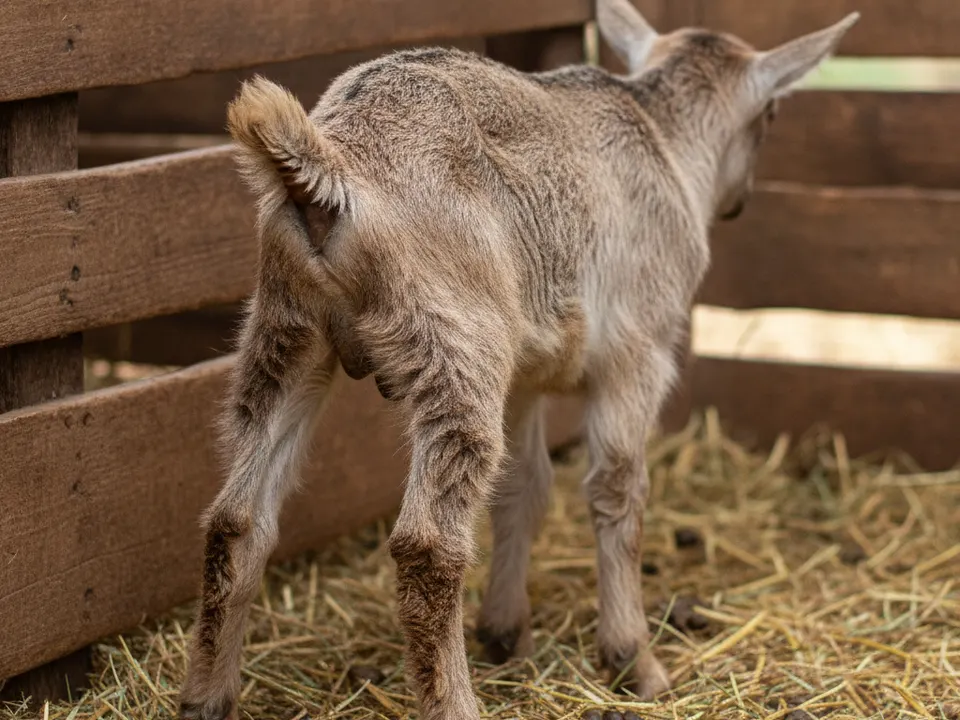
- The tail, back end and hocks become stained and dirty with dung.
- The kid eats less, drinks less milk or creep feed, and stays behind when the group moves.
- The kid is less playful, stands hunched, and the coat looks rough and dull.
- The kid gains weight slowly or stops growing compared with others of the same age.
- Several kids in the same pen or age group start showing loose droppings within days of each other.
As it gets worse
- Watery diarrhoea, often dark or greenish, that may contain mucus, streaks of blood or dark clotted blood.
- Frequent straining with little coming out, sometimes with the back arched and the tail raised, which can occasionally push out part of the rectum (rectal prolapse).
- Sunken eyes and a dry mouth. A pinch of skin on the neck stays up instead of springing back, which shows dehydration.
- Marked weakness, unsteady walking, lying down for long periods and refusing to get up.
- Fast weight loss, a pot-bellied but bony shape, and pale gums if there has been much blood loss.
- Cold legs and ears, collapse and death, which can come within days in heavily infected young kids.
- Kids that survive a bad attack often stay stunted and pot-bellied for months.
What to do right now
- Separate scouring kids into a clean, dry, draught-free pen with fresh bedding so they stop swallowing more oocysts and do not contaminate healthy kids.
- Make sure every sick kid has easy access to clean, fresh water. Keep weak kids warm and out of rain and cold wind, because dehydrated kids chill easily.
- Keep milk-fed kids suckling or bottle-feeding unless your vet advises otherwise. Milk gives energy, and stopping it suddenly can weaken them.
- Call your vet or County Veterinary Officer the same day, especially if you see blood, straining, sunken eyes or kids that cannot stand. Collect fresh dung samples to show them.
- Remove wet, soiled bedding from the main kid pen, scrape out dung, and raise feed and water containers off the floor so kids cannot dirty them.
- Wear gloves or wash your hands well with soap after handling scouring kids and their dung. Other causes of kid diarrhoea can infect people.
- Write down each sick kid's identity, age, signs and the date. This record helps your vet decide on treatment and whether the whole group needs it.
- Do not give leftover drugs, human medicines or antibiotics without a vet's advice. The wrong drug wastes money, may harm the kid and can delay the right treatment.
How it spreads
- Kids swallow mature oocysts from droppings that contaminate bedding, floors, walls, feed troughs and water containers.
- Adult does that look healthy still shed oocysts, so kids born into a pen used by adults are exposed from their first weeks.
- Wet, warm bedding and mud around water points help oocysts mature fast and survive for many months, so the pen itself becomes the source.
- Overcrowding raises the number of oocysts each kid swallows, and the dose decides how sick a kid gets.
- Feeding hay or concentrates on the floor, where kids stand and drop dung, is one of the most common ways infection builds up.
- Stress makes outbreaks more likely, including weaning, transport, sudden feed changes, mixing groups, cold wet weather and other diseases such as worms.
- Oocysts resist many common disinfectants and can be carried on boots, wheelbarrows and feeding tools between pens.
Could it be something else?
Worms (especially barber's pole worm and other roundworms)
Barber's pole worm usually causes pale eyelids and gums, weakness and swelling under the jaw (bottle jaw), often without much diarrhoea. Other roundworms can cause scouring in older kids and adults on pasture. Coccidiosis mainly hits housed or crowded kids under about 5 months and may include blood and straining. Both often occur together, and only a dung test can tell them apart for sure.
Cryptosporidiosis
This is another tiny parasite, but it usually affects much younger kids, in their first one to three weeks of life. The diarrhoea is usually yellow and very watery, without blood. It can also infect people. A lab test on dung is needed to confirm it.
Enterotoxaemia (pulpy kidney, overeating disease)
This usually strikes the biggest, fastest-growing kids after a sudden change to rich feed or lots of milk or grain. It often causes sudden death, or violent signs such as convulsions and paddling, within hours. It is not the slow scouring and wasting of coccidiosis. It is largely preventable by vaccination.
Bacterial or nutritional scours (for example E. coli, Salmonella, or overfeeding milk)
Overfeeding milk or sudden feed changes cause pale, pasty scours that often settle once feeding is corrected. Bacterial infections such as Salmonella can cause fever, very foul-smelling diarrhoea, and illness in adults as well as kids. Your vet may need dung samples or a post-mortem to tell them apart from coccidiosis.
How it is diagnosed
A vet will look at the kids' age, the pen conditions and the pattern of illness in the group, then examine sick kids for dehydration, fever and blood loss. The main test is a dung test, called faecal flotation, where a lab counts oocysts under a microscope. Results need careful reading. Healthy kids can shed many oocysts of harmless species, while a very sick kid may show few oocysts because the damage comes before shedding. Some labs can identify which Eimeria species are present, which helps show whether they are the harmful kinds. Your vet may also check for worms in the same sample, because the two often occur together. If a kid dies, a post-mortem is very useful. It often shows a thickened, inflamed gut wall with small white or grey spots or patches, and sometimes blood in the intestine. Scrapings of the gut wall can confirm the parasites. To help your vet, collect fresh droppings from several affected kids and a few healthy ones. Put them straight from the rectum or fresh off the ground into clean, labelled containers or gloves tied shut, and keep them cool but not frozen. Note the kids' ages, when signs started, how many are sick or have died, what they eat, any recent weaning, moves or feed changes, and any treatments already given.
Treatment
Treatment must be prescribed by a vet, who will choose the drug based on the kids' age, how sick they are and what is available and approved locally. The main medicines are anticoccidial drugs, which kill or stop the parasites multiplying. Commonly used active ingredients include toltrazuril and diclazuril, usually given by mouth. Others are amprolium, and sulfonamides such as sulfadimidine, which are a type of antibiotic that also acts against coccidia. Because all kids in a pen are usually exposed, vets often treat the whole age group, not just the ones showing signs. Some of these drugs work best when given early, before the gut is badly damaged. Badly dehydrated kids need fluids and salts, given by mouth or, in severe cases, by drip or injection under the skin by the vet. The vet may also give supportive care such as vitamins, and may treat worms or other infections found at the same time. Where sulfonamides or other antibiotics are used, they must be given exactly as prescribed. Using them carelessly or too often encourages antimicrobial resistance, which means the drugs stop working on the farm and beyond. Overusing anticoccidial drugs can also make coccidia resistant. All of these drugs have milk and meat withdrawal periods. This is the time after treatment when milk and meat must not be sold or eaten, so ask your vet and follow the label. Expect sick kids to start improving within a few days if treatment starts early. Kids with severe gut damage may still die or recover slowly, because the gut lining needs time to heal.
Medicines must be prescribed and dosed by a vet. Always respect milk and meat withdrawal periods, and finish the full course of any antibiotic.
How Agrikima products can help
These support the animal alongside — never instead of — your vet's treatment, vaccination and good management.
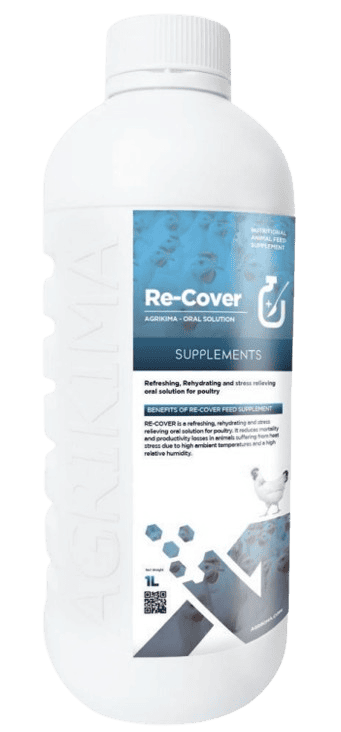
RE-COVER
An oral rehydration solution that can help replace water and salts lost through diarrhoea in scouring kids. Use it alongside the anticoccidial treatment your vet prescribes, not instead of it. Kids that are badly dehydrated or cannot swallow need the vet.
View product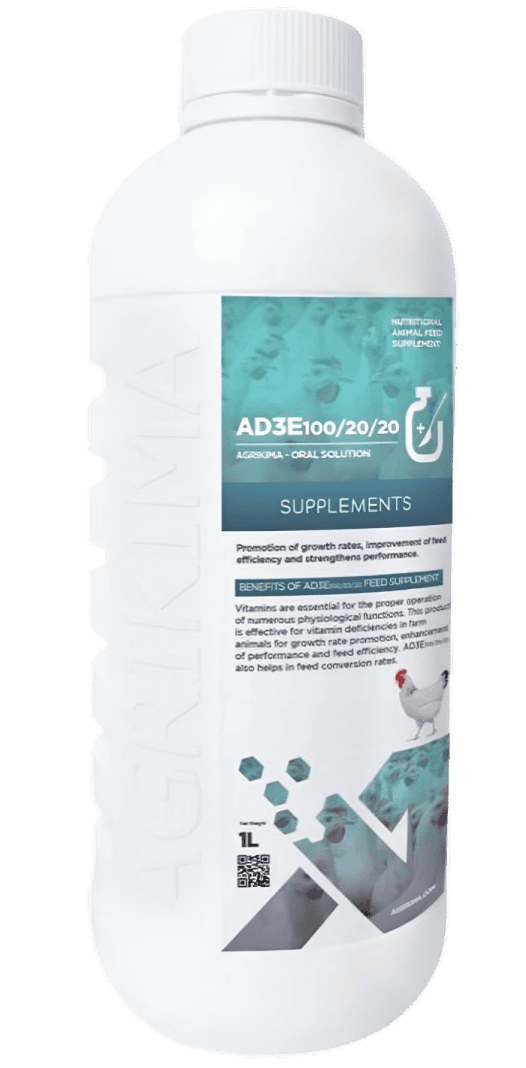
AD3E 100/20/20
A vitamin A, D3 and E supplement that can support recovering kids during convalescence. Vitamin A helps maintain the gut lining. Use it only as part of vet-guided recovery care alongside proper treatment and clean housing; it does not kill coccidia.
View productPrevention
- Keep kid pens dry and clean. Remove dung and wet bedding often, add fresh dry bedding, and fix leaking roofs and water spills, especially during the long and short rains.
- Use raised slatted floors for housed goats where possible, with gaps that let droppings fall through, so kids are kept away from their own dung.
- Put feed in raised troughs or hay racks and water in containers kids cannot climb into or dirty. Never feed concentrates or hay on the floor.
- Avoid overcrowding, and keep kids in small groups of similar age. Do not keep young kids in pens with older, shedding goats or in pens that have just held another batch.
- Rest and clean pens between batches of kids. Scrape out all dung and let the pen dry in the sun. Common disinfectants kill few oocysts, so physical cleaning and drying matter most.
- Clean does' udders and keep kidding areas clean so newborns do not swallow oocysts in their first weeks.
- Reduce stress at weaning. Wean gradually, avoid moving, mixing, dehorning or castrating kids all at once, and change feeds slowly.
- On farms with repeated problems, ask your vet about a prevention plan. This may include planned treatment of kids at a high-risk age, or feed additives such as decoquinate or ionophores like monensin. Only use these on vet advice, because some, such as monensin, are dangerous if fed to dogs or horses, or if mixed wrongly.
- Keep kids well fed with colostrum at birth, good milk or creep feed, clean water and minerals, and control worms. Strong, well-nourished kids cope better with exposure.
- Isolate newly bought goats, especially kids, for two to three weeks and watch their droppings before mixing them with your herd.
Risk to people
Goat coccidia (Eimeria) are specific to goats and do not infect people. However, other causes of kid diarrhoea that look similar, such as Cryptosporidium and Salmonella, can infect humans, especially children, so wash hands with soap after handling scouring kids or dung and keep children from playing in kid pens. Drugs used to treat coccidiosis leave residues, so milk and meat from treated goats must not be sold or eaten until the withdrawal period your vet gives you has passed.
Impact on your farm
Coccidiosis costs Kenyan goat farmers money in several ways. Kids may die, often the most valuable dairy or improved breed kids kept in houses. Many survivors grow slowly, take longer to reach market weight or breeding size, and need more feed to get there. In dairy goat units, stunted doelings may breed later and produce less milk over their lives. Vet visits, drugs, extra labour cleaning pens and lost sales of kids or milk during withdrawal periods all add up. Because the parasite stays in the pen, a farm that does not fix housing and hygiene can lose kids batch after batch, season after season. The good news is that relatively cheap changes, such as raised floors, raised feeders and dry bedding, can cut losses a lot.
Outlook and recovery
Kids treated early, while they are still eating and only mildly dehydrated, usually recover well. Kids that already have bloody diarrhoea, severe dehydration or cannot stand are at real risk of dying even with good treatment. Some survivors stay stunted because the damaged gut takes weeks to heal and absorbs food poorly in the meantime. The outlook for the whole herd depends mostly on management. Treating sick kids without improving pen hygiene, dryness, space and feeding usually means the problem comes back with the next batch. Older goats build immunity, so once kids pass about five to six months in good health, serious disease becomes much less likely.
Common questions
Can I use the coccidiosis drug I bought for my chickens on my goats?
No, not without a vet's advice. Chicken coccidia are different species from goat coccidia and do not infect goats. Many poultry products are made and dosed for birds in drinking water, and the strength, safety and withdrawal periods for goats can be very different. Some poultry additives can be harmful to goats if wrongly mixed. Ask your vet to prescribe a product and amount suitable for goat kids.
My adult goats look healthy. Why do my kids keep getting coccidiosis?
Most adult goats carry some coccidia and pass oocysts in their droppings without getting sick, because they have built up immunity. Those oocysts build up in bedding, floors and yards, especially when they are damp. Young kids have no immunity yet and swallow large numbers, so they fall sick. Keeping kids in clean, dry pens away from built-up dung, and raising feeders off the floor, breaks this cycle.
Will deworming my kids treat coccidiosis?
Usually not. Coccidia are protozoa, not worms, and most common dewormers do not kill them. Worms and coccidiosis often happen together and can look similar, so ask your vet for a dung test that checks for both. Treat each problem with the right medicine at the right time.
Is it enough to treat only the kids that are scouring?
Often not. By the time a few kids show signs, the rest of the same age group have usually swallowed oocysts and may be about to fall sick. Vets often advise treating the whole group at risk. They will also tell you to clean the pen, otherwise the treated kids are reinfected straight away. Your vet will judge what is right for your herd.
How long do coccidia survive in my goat house?
Oocysts are very tough. In shaded, damp bedding and soil they can survive for many months, and they resist many common disinfectants. Sunlight and drying help kill them. Removing all dung and bedding, scraping floors, letting the pen dry fully and resting it between batches of kids does more than spraying disinfectant alone.
Can a kid that recovered from coccidiosis still grow well?
Many do, especially if treated early. A kid that had severe gut damage may grow slowly for weeks or months while the gut lining heals. Give recovering kids good-quality feed, clean water, minerals, shelter and protection from worms. Watch their weight, and talk to your vet if they stay thin or pot-bellied.
A guide, not a diagnosis. This page is general information to help you recognise problems early. Always confirm with a vet or animal health worker before treating.