What it is
The cause is Clostridium perfringens type D, a bacterium found in soil, manure and the normal intestines of healthy goats. In small numbers it does no harm. The trouble starts when a lot of starch or sugar, from grain, dairy meal, bread, kitchen waste, lush young pasture or a large milk meal, passes undigested from the rumen (the first, largest stomach) into the small intestine. There the bacteria feed on it, multiply very quickly and produce a powerful poison called epsilon toxin. This toxin is absorbed into the blood. It makes blood vessels leaky, so fluid builds up in the brain, lungs, heart sac and gut. Damage to the brain causes staggering, blindness, convulsions and death. In goats, unlike sheep, the gut itself is often badly inflamed (enterocolitis), which causes diarrhoea and belly pain. The name 'pulpy kidney' comes from the soft, mushy kidneys often seen at post-mortem, mainly in sheep; in goats this sign is less consistent. Because the toxin acts so quickly, many animals die within hours.
Which animals are most at risk
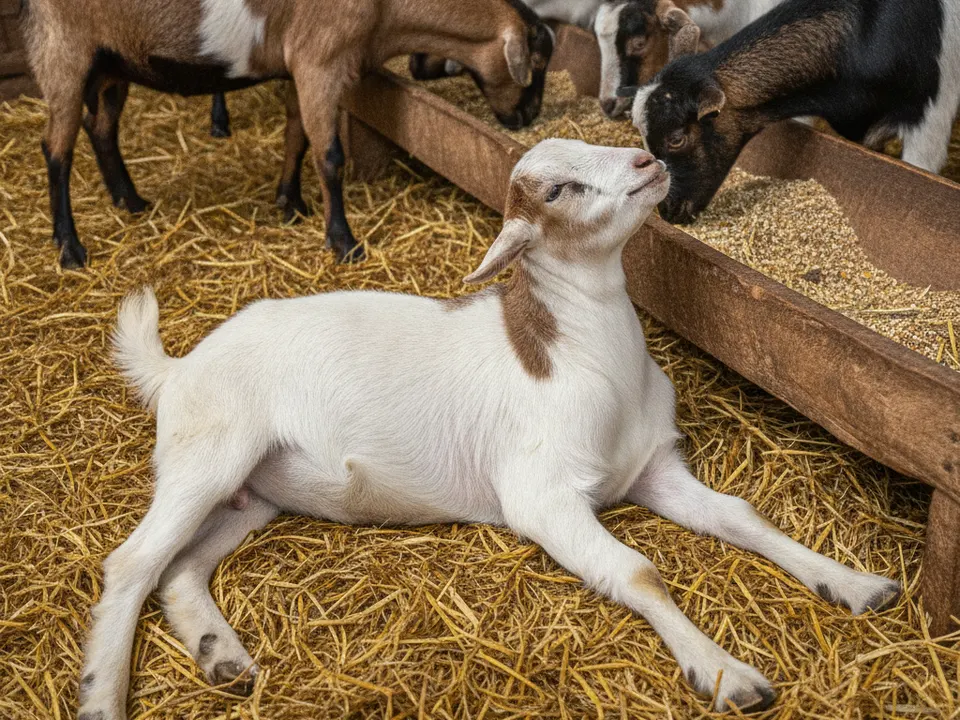
Young, fast-growing kids are most at risk, especially those from about a few weeks to several months old that are fed well, suckle heavily or receive concentrates. Kids born to unvaccinated does get little or no protection from colostrum (first milk). Weaned kids being fattened for market, dairy goats on high-concentrate rations, and show or breeding animals being pushed for growth are also at high risk. Adult goats can be affected too, often with a longer-lasting form that causes repeated diarrhoea and weight loss. Dairy breeds such as Toggenburg, Saanen, Alpine and their crosses kept in zero-grazing units with heavy feeding are commonly affected, but Galla, Small East African and crossbred meat goats on improved feeding are not immune. Risk rises at the start of the rains when pasture suddenly becomes lush, after harvest when goats get access to stover with spilled grain, and whenever a farmer changes feed quickly. Goats that were vaccinated long ago are also at risk, because protection in goats fades faster than in sheep.
Signs to look for
Early signs
- Often there are no early signs at all: the first thing seen may be a dead kid that looked perfectly healthy the evening before.
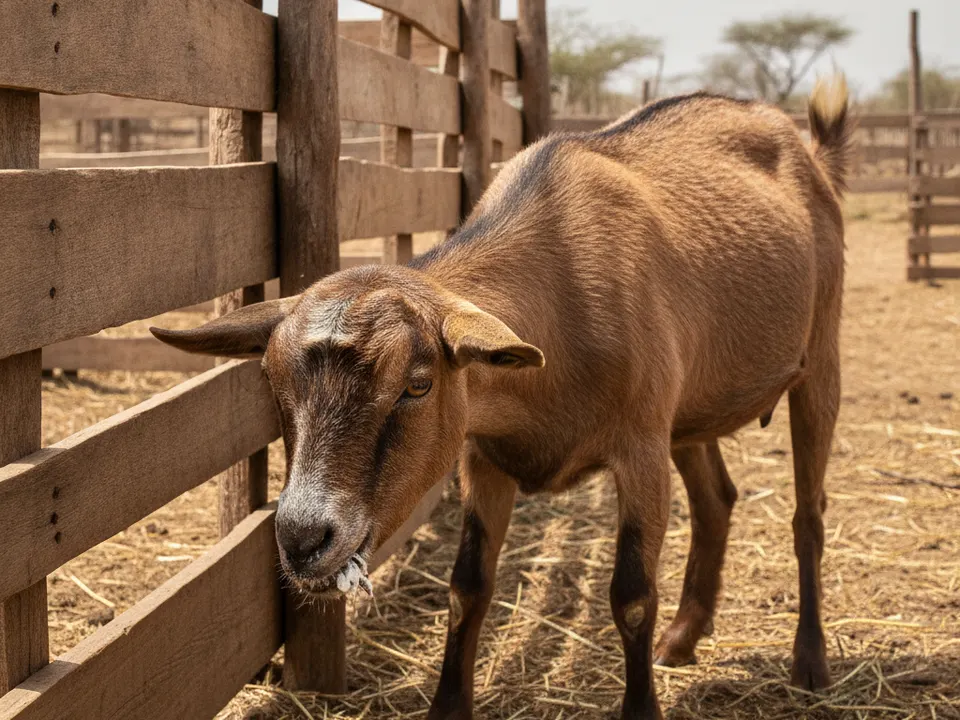
- A goat that stops eating suddenly, stands apart from the herd, looks dull and does not want to move.
- Signs of belly pain: kicking at the belly, grinding teeth, crying out, lying down and getting up repeatedly.
- Soft to watery diarrhoea, sometimes with mucus or streaks of blood.
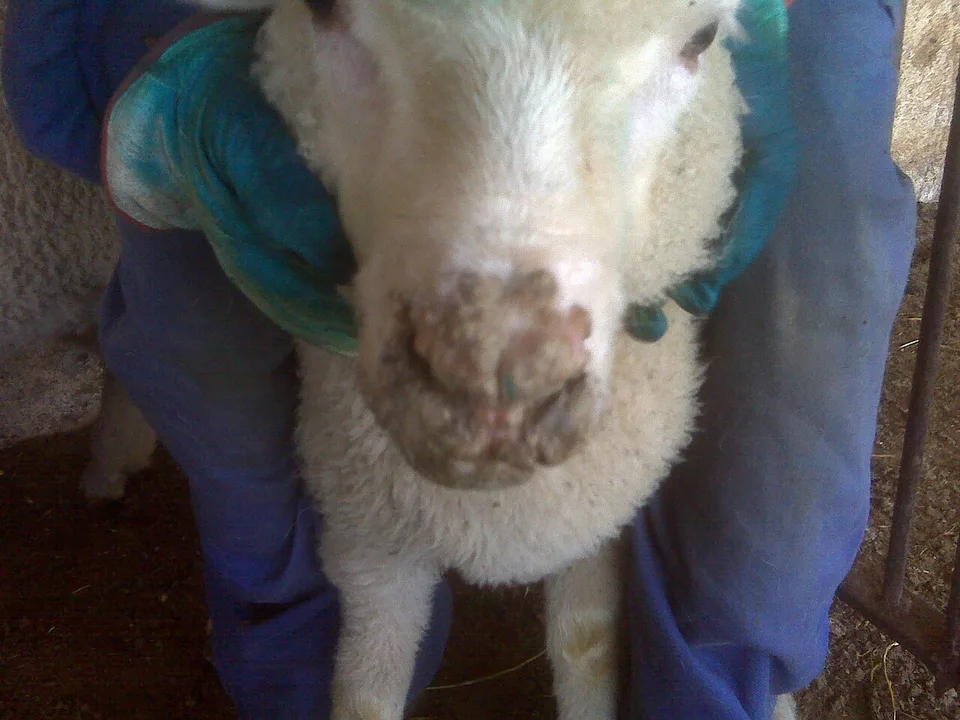
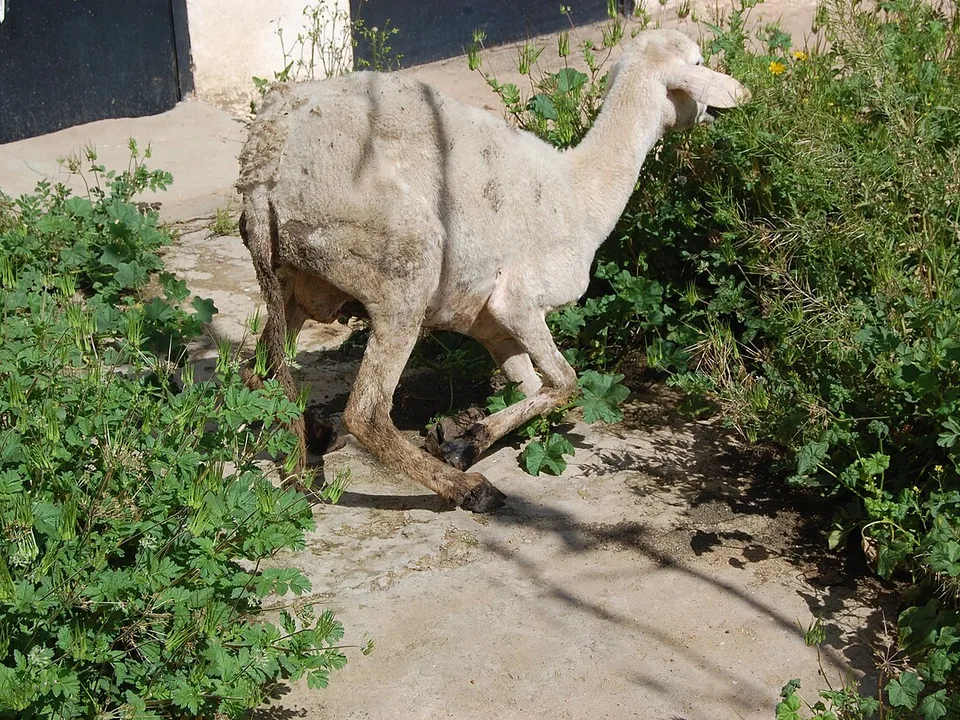
- Staggering, wobbly walking, head pressing against walls, or seeming blind and walking into things.
- A bloated or tense belly in some cases.
As it gets worse
- Lying flat on the side, unable to rise, with legs paddling as if running.
- Convulsions (fits), with the head and neck pulled back, foaming at the mouth and jerking.
- Very fast, heavy breathing and a weak pulse as the goat goes into shock.
- Coma and death, often within a few hours of the first signs in kids.
- In adult goats with the longer-lasting form: repeated bouts of diarrhoea, weight loss, poor appetite and falling milk yield over days to weeks.
- Several of the best kids in the group dying over a few days after the same feed change.
What to do right now
- Call your vet or County Veterinary Officer straight away and describe the sudden deaths, signs and recent feed changes; this is an emergency and minutes matter.
- Stop all grain, dairy meal, bread, kitchen waste and other concentrates for the whole herd immediately, and move goats off lush pasture onto good dry hay or mature grass with clean water.
- Move sick goats to a quiet, shaded, well-bedded pen away from the others, and handle them gently; avoid chasing, which worsens shock.
- Do not pour water or drenches into the mouth of a goat that is convulsing, lying flat or cannot swallow, because liquid can go into the lungs and kill it.
- Check the rest of the herd closely every few hours, especially the best-fed kids, and note any that stop eating, stagger or develop diarrhoea.
- If a goat has died, do not open the carcass, especially if there is blood from the nose, mouth or anus, as this could be anthrax; keep it cool, covered and away from dogs until the vet sees it.
- Wear gloves when handling sick or dead animals and wash your hands with soap afterwards.
- Write down which goats are affected, their ages, when signs started, what they ate, and when they were last vaccinated, so the vet can act quickly.
- Do not give antibiotics or other drugs from the agrovet on your own; treatment and emergency vaccination of the herd must be decided by your vet.
How it spreads
- It is not passed from goat to goat like a cold. The bacteria are already in the gut and the environment, and disease is triggered by what and how the goat eats.
- Sudden changes in diet are the main trigger, for example moving goats from dry grazing to lush green pasture after the long or short rains start.
- Feeding grain, maize, dairy meal, sorghum, bread or concentrates in large amounts, or starting them without a gradual build-up, is a common cause.
- Goats breaking into a feed store or a maize field and gorging themselves can cause outbreaks within a day or two.
- Irregular feeding, such as skipping a meal and then giving a large one, or uneven feeding where bossy goats eat more than their share, raises the risk.
- In kids, heavy suckling from high-yielding does, or large irregular bottle feeds of milk or milk replacer, can trigger disease.
- Stress, transport, other illness and heavy worm burdens can slow the gut and make overgrowth more likely.
- Bacteria from the manure of affected animals build up in pens and soil, so dirty, crowded housing increases the overall load.
Could it be something else?
Anthrax
Anthrax also causes sudden death, but dark, tarry blood that does not clot may ooze from the nose, mouth or anus, and the carcass may swell and stiffen poorly. Anthrax is notifiable and dangerous to people. If a goat dies suddenly with bleeding from openings, do not open the carcass; call the vet, who will check before any post-mortem is done.
Heartwater (cowdriosis)
Heartwater, spread by bont ticks, also causes fever, circling, high stepping, paddling and convulsions. It usually affects goats of any age with tick exposure, often with a high fever beforehand, and is not linked to a feed change. Enterotoxaemia mostly hits well-fed kids after diet changes and the goat may not have a fever. A vet can tell them apart with a brain smear at post-mortem.
Grain overload (rumen acidosis)
Both follow eating too much grain, and they can occur together. With acidosis the goat has a swollen, sloshy left belly, severe dehydration, sunken eyes and very sour-smelling, watery dung, and it gets sick over several hours to a day. Enterotoxaemia tends to cause nervous signs and sudden death more quickly.
Polioencephalomalacia (thiamine or vitamin B1 deficiency)
This also causes blindness, star-gazing, head pressing and fits, and can follow diet changes. It usually develops more slowly, the goat often stays alert and keeps trying to stand, and diarrhoea is uncommon. Vets often treat suspected cases with thiamine and watch for improvement, which helps tell the two apart.
How it is diagnosed
Diagnosis is often made from the history and post-mortem, because live cases die so quickly. The vet will ask about recent feed changes, grain or concentrate feeding, lush pasture, vaccination dates and which goats died. A key clue is that the best-conditioned kids are affected. On examining a sick goat the vet looks for nervous signs, diarrhoea and belly pain; a urine test strip showing sugar in the urine supports the diagnosis, though this is less reliable in goats than in sheep. At post-mortem the vet may find a fluid-filled heart sac, wet swollen lungs, an inflamed, bloody or watery small intestine and colon, and sometimes soft kidneys. Confirmation needs laboratory testing of fresh gut contents for epsilon toxin, often at a county or regional veterinary laboratory. Samples must be taken soon after death because clostridia multiply quickly in a carcass and can give misleading results. The vet will also rule out anthrax before opening a carcass that died suddenly. To help, note the time of death and first signs, write down what all goats were fed over the past week, keep vaccination records ready, keep the carcass in a cool, shaded place covered from dogs and flies, and do not open it yourself.
Treatment
Treatment is difficult because the disease moves so fast, and many goats are dead or dying by the time help arrives. For goats that are still alive, a vet may use a combination of approaches. Clostridium perfringens type C and D antitoxin, where it can be obtained, neutralises toxin already in the blood; availability in Kenya can be limited. Antibiotics such as penicillins may be given to reduce the number of bacteria in the gut. Anti-inflammatory and pain-relieving drugs such as flunixin or meloxicam help with pain and shock. Fluids by drip or by mouth, once the goat can swallow safely, are used to correct dehydration. The vet may also give thiamine (vitamin B1) in case the problem is actually polioencephalomalacia, and may give medicines to settle the gut. Goats with severe nervous signs usually have a poor chance even with treatment. The vet will also advise on the rest of the herd: cutting back feed, and vaccinating all goats, sometimes together with antitoxin, to protect them while vaccine immunity builds over the following weeks. Antibiotics must only be used on a vet's prescription and given exactly as directed, because misuse breeds resistant bacteria (antimicrobial resistance) that make future infections harder to treat in animals and people. Every drug has a milk and meat withdrawal period, the time you must wait before selling or using milk or slaughtering the goat; your vet will tell you how long, and you must keep to it.
Medicines must be prescribed and dosed by a vet. Always respect milk and meat withdrawal periods, and finish the full course of any antibiotic.
How Agrikima products can help
These support the animal alongside — never instead of — your vet's treatment, vaccination and good management.
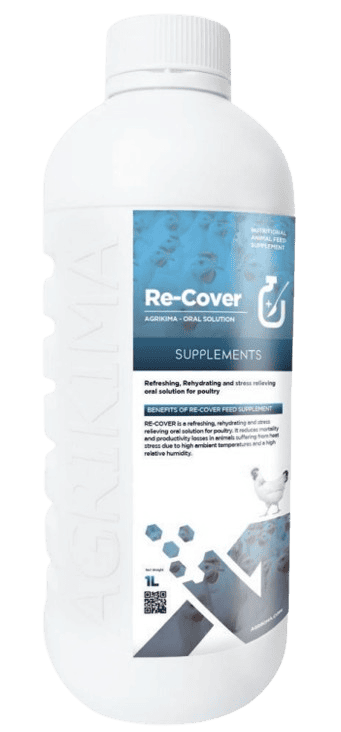
RE-COVER
Once a vet has seen the goat and it is standing and swallowing normally, this oral rehydration solution can help replace fluid and salts lost through diarrhoea during recovery. It does not neutralise the toxin or treat the infection, and must never be given to a goat that is convulsing or lying flat.
View product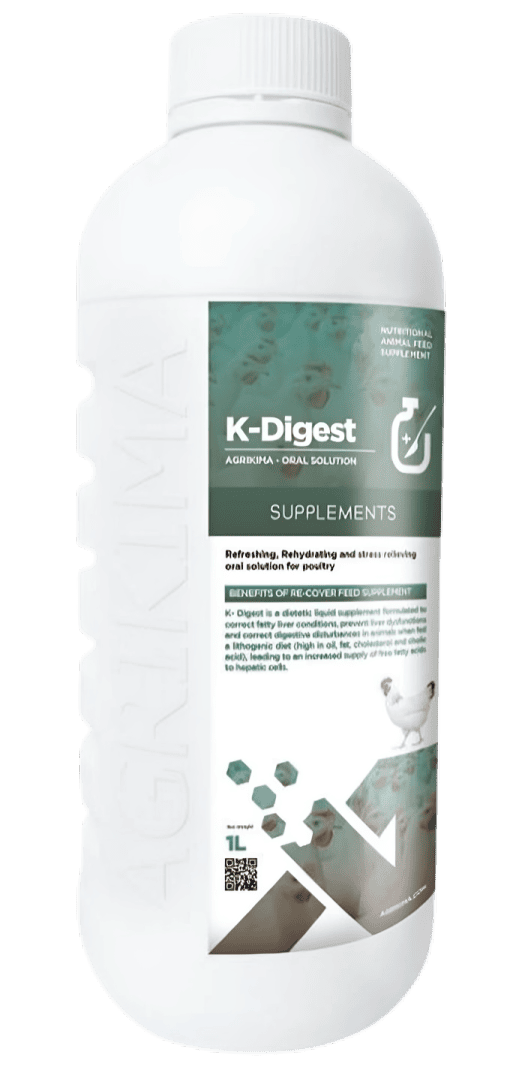
K-DIGEST
Can be used as digestive and liver support for recovering goats and the rest of the herd while feed is being brought back to a steady, roughage-based diet after an outbreak. It supports recovery alongside vet treatment, vaccination and careful feeding; it does not prevent or cure enterotoxaemia.
View productPrevention
- Vaccinate every goat with a clostridial vaccine that covers Clostridium perfringens type D (often sold as 'CD&T' or multi-strain clostridial vaccines at agrovets), following the label and your vet's advice.
- Give the first vaccination course with a booster a few weeks later, then keep up regular boosters; protection fades faster in goats than in sheep, so many vets advise boosting goats more often than once a year, especially in heavily fed herds.
- Vaccinate pregnant does a few weeks before kidding so their colostrum protects newborn kids, and make sure every kid drinks colostrum within the first hours of life.
- Vaccinate kids on the schedule your vet recommends, starting earlier if the dam was not vaccinated, and vaccinate new goats on arrival before they join the herd.
- Store vaccine in a fridge, not the freezer, carry it in a cool box, use clean needles and do not use expired or warm vaccine, because damaged vaccine gives no protection.
- Change feed slowly, over about two weeks, whenever you introduce grain, dairy meal, new pasture or a new ration, starting with small amounts and increasing gradually.
- Always give enough roughage such as hay, Napier grass or crop residues before concentrates, feed concentrates in small, regular meals, and provide enough trough space so bossy goats cannot gorge.
- Lock feed stores securely and fence maize and other grain fields so goats cannot break in and overeat.
- When the rains bring lush pasture, give hay before turning goats out and limit grazing time for the first days.
- Feed milk and milk replacer to kids in regular, moderate meals, keep a steady deworming and tick-control programme, and keep pens clean and dry to reduce bacterial build-up.
Risk to people
Clostridium perfringens type D enterotoxaemia is not considered a disease that spreads from goats to people. However, do not eat or sell meat from goats that died suddenly or were very sick: sudden death can also be caused by anthrax, which is deadly to people, and meat from sick or dead animals is unsafe and spoils quickly. Wear gloves when handling dead or sick animals and wash hands well with soap. If a goat has been treated with antibiotics or other drugs, respect the milk and meat withdrawal periods your vet gives you so that drug residues do not reach your family or customers.
Impact on your farm
Enterotoxaemia hits Kenyan goat farmers hard because it kills the most valuable animals: the fastest-growing kids being raised for sale, breeding or dairy. Losing several kids in a few days can wipe out a season's profit, especially for smallholders with small herds who rely on goat sales for school fees or emergencies. Dairy goat farmers lose milk income when adult does develop the longer-lasting form, with repeated diarrhoea, weight loss and falling yield. There are also costs for vet visits, emergency vaccination of the herd, possible drug withdrawal periods for milk and meat, and lost time. Group projects and farmers investing in improved dairy breeds and concentrate feeding can lose expensive animals. Compared with these losses, routine vaccination and careful feeding cost very little.
Outlook and recovery
The outlook for a goat already showing nervous signs such as convulsions, paddling or coma is poor, and many die within hours even with treatment. Goats caught early, with mild diarrhoea or belly pain and no nervous signs, have a better chance if a vet treats them quickly and feeding is corrected. Adult goats with the longer-lasting form often recover with treatment and diet change, though they may lose condition for some time. The outlook for the rest of the herd is good: once feed is corrected and goats are vaccinated, outbreaks usually stop, although protection from vaccine takes some time to build. Herds kept on regular vaccination and steady feeding rarely see the disease again.
Common questions
Why does it always kill my best, fattest kids?
Because the disease is driven by feed. The strongest, greediest kids drink the most milk or eat the most grain and concentrate, so more undigested starch reaches their intestines. That gives the bacteria more food to multiply and make toxin. Weak or poorly fed kids eat less and are less likely to be affected. So when your best kids die suddenly, enterotoxaemia should be high on your list.
I vaccinated my goats. Why did one still die?
Several things can cause this. Protection in goats fades faster than in sheep, so if boosters were missed or given too long ago, immunity may have worn off. Kids need a first course with a booster, and one dose alone may not protect them. Vaccine that got warm or frozen, or was expired, may not work. Very heavy grain feeding can also overwhelm partial immunity. Ask your vet to check your vaccination programme, confirm the cause of death, and help you plan regular boosters.
Is enterotoxaemia contagious? Should I separate the rest of the herd?
It does not spread from goat to goat like a cough. The bacteria are already in every goat's gut and in the soil. Goats get sick when the same feeding problem affects them all. That is why the whole herd needs feed changes and often vaccination after a death. Isolating sick goats is still sensible, so they rest quietly and you can watch them, and so you can rule out other diseases with your vet.
Can I eat or sell the meat of a goat that died of this?
No. Meat from a goat that died suddenly or was very sick is not safe or fit to eat. You cannot be sure without a vet that it was not anthrax, which can kill people. Meat from such animals also spoils quickly. If the goat was treated with drugs, there may be residues in the meat. Let the vet examine the carcass, then bury it deeply or dispose of it as the vet advises.
Can adult goats get enterotoxaemia, or only kids?
Adults can get it too, especially dairy does on heavy concentrate feeding or goats that break into grain. In adults it often takes a longer form, with repeated diarrhoea, weight loss, poor appetite and falling milk, rather than sudden death. Vaccinating adults and feeding them steadily protects them and also protects their kids through colostrum.
How should I start feeding dairy meal or grain without causing this?
Make sure the goats are vaccinated first. Then start with a very small amount and increase it slowly over about two weeks. Always give hay or other roughage before concentrates. Split the daily amount into two or more small meals instead of one big one, and give enough trough space so each goat gets its share. Never let goats have free access to grain, and do not suddenly double the ration. Ask your vet or extension officer how much concentrate suits your goats.
A guide, not a diagnosis. This page is general information to help you recognise problems early. Always confirm with a vet or animal health worker before treating.