What it is
Orf is caused by the orf virus. It belongs to a group called parapoxviruses, which are distant relatives of the poxviruses. The virus enters through small breaks in the skin, such as scratches from thorny browse like acacia, rough dry feed, or teeth coming through in young kids. It then multiplies in the outer layer of the skin. The skin first turns red. Small raised bumps called papules appear, then blisters, then pus-filled spots called pustules. These finally dry into thick, crusty scabs that can heap up and look like warts or cauliflower. The sores are painful, so goats do not want to eat or suckle. The damaged skin is also an easy entry point for bacteria and for fly larvae (maggots). That is where many of the serious problems come from. The virus itself rarely kills. The scabs that fall off are full of virus, and it can survive in dry scab material on the ground, in pens and on feeding equipment for many months. This is why orf often returns to the same farm year after year.
Which animals are most at risk
Kids and young goats from a few weeks to about six months old are most often affected, and they suffer the most. Goats that have never met the virus, such as a newly bought herd, can be affected at any age. Does nursing infected kids often develop sores on the teats and udder. Outbreaks are common where many goats are crowded together. This includes zero-grazing units, holding pens at markets, and the dry season, when goats in pastoral areas browse heavily on thorny bush and gather at watering points. Weak, thin or poorly fed goats, and those carrying heavy worm burdens, may have more severe and longer-lasting sores. All breeds can be affected, including Small East African, Galla, Toggenburg, Saanen and their crosses. Kienyeji herds kept with sheep can pass the virus between the two species.
Signs to look for
Early signs
- Red, slightly swollen patches at the corners of the mouth, on the lips or around the nostrils.
- Small raised bumps or blisters that soon fill with pus and burst.
- A kid that sniffs at the teat or feed but pulls away, eats slowly or chews carefully.
- Drooling or wet lips, and the goat may rub its mouth on objects.
- In does, red spots or small blisters on the teats, and the doe kicking or walking away when the kid tries to suckle.
- Occasionally, sores on the skin just above the hooves, causing slight lameness.
As it gets worse
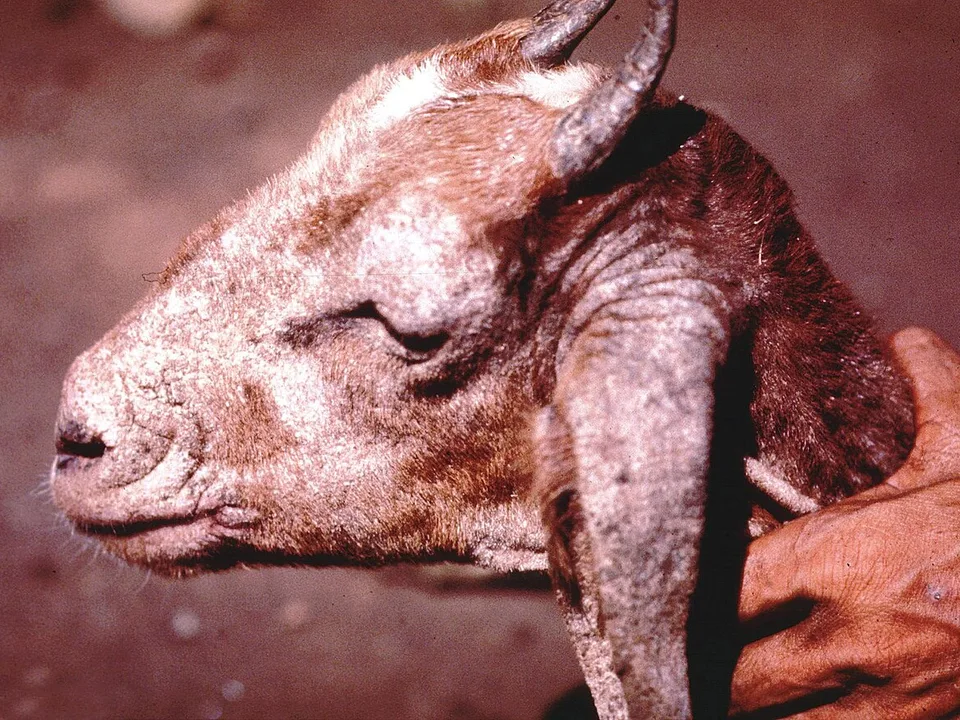
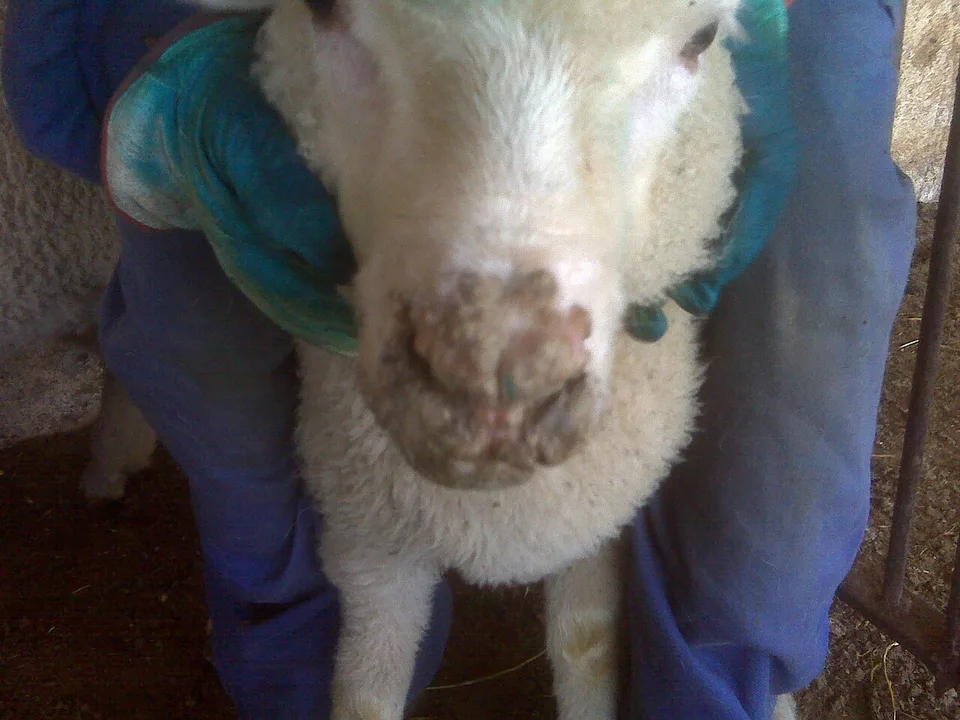
- Thick, brown-grey, crusty scabs that heap up like warts or cauliflower around the lips, nose and sometimes eyelids or ears.
- Scabs that crack and bleed slightly when the goat eats, with a bad smell if bacteria have infected them.
- Kids that lose weight, look hollow-sided and weak because they cannot suckle or eat properly.
- Hard, hot, swollen udder halves or abnormal milk in does, which suggests mastitis (udder infection) on top of orf.
- Maggots in the sores during warm, wet weather when flies are active.
- Rarely, sores spreading inside the mouth, onto the gums and tongue, or down the throat. In weak kids this can lead to pneumonia or death.
What to do right now
- Separate goats with sores, and their nursing kids, from the rest of the herd. Keep them in their own pen with their own feed and water containers.
- Wear gloves, or at least wash your hands well with soap and water, every time you touch an affected goat. Cover any cuts on your hands, because people catch orf easily.
- Do not pick or scrape off the scabs. This is painful, delays healing and spreads virus into the environment.
- Check that every kid is actually getting milk. If a kid cannot suckle, call the vet or extension officer for advice on bottle feeding or other ways to feed it.
- Offer soft, palatable feed such as fresh young grass, soaked or softened feed, and clean water within easy reach. Remove thorny browse and rough, stalky hay for now.
- Check the udders of nursing does daily. Look for hardness, heat, swelling or abnormal milk, and report any changes to the vet, as mastitis needs prompt treatment.
- Watch the sores for maggots or a bad smell, especially in warm, wet weather, and tell the vet at once if you see them.
- Stop selling or moving affected goats, and do not bring new goats in, until the outbreak has settled. Write down which goats are affected and when.
How it spreads
- Direct contact between an infected goat and a healthy one, especially when goats nuzzle, share feed or crowd at troughs.
- Kids with sore mouths pass the virus to their mothers' teats when suckling, and does with infected udders pass it to other kids.
- Scabs that drop off infected goats contaminate bedding, pens, feed troughs, water points and pasture, where the virus can survive for months.
- Thorny browse, thistles, rough hay and stubble scratch the lips and give the virus a way into the skin.
- Bringing in new goats from markets or other farms that are carrying the virus, even if their scabs have nearly healed.
- Shared equipment, feeding bottles, drenching guns, ear-tagging tools and the hands or clothes of people moving between goats.
Could it be something else?
Goat pox (sheep and goat pox)
Goat pox causes fever, dullness and raised lumps spread over the whole body, especially where hair is thin. Orf sores stay mainly on the lips, nose, teats and feet, and the goat is usually bright apart from being sore. Goat pox is notifiable, so call the vet urgently if you see body-wide lumps with fever.
Peste des petits ruminants (PPR, goat plague)
PPR causes high fever, thick discharge from the eyes and nose, raw ulcers inside the mouth, severe diarrhoea and often rapid deaths across the herd. Orf causes crusty scabs on the outside of the lips with little fever, and deaths are uncommon. PPR is notifiable and must be reported immediately.
Foot-and-mouth disease (FMD)
FMD causes blisters inside the mouth and between the claws, sudden lameness, fever and drooling, and it often affects cattle on the same farm too. Orf produces heaped, crusty scabs rather than burst blisters and raw patches, and cattle are not affected. FMD is notifiable.
Dermatophilosis (streptothricosis) or bacterial skin infection
Dermatophilosis gives 'paintbrush' tufts of matted hair with scabs over the back and body, often after long rains. Orf concentrates on the mouth and teats. A vet may need samples to tell them apart, and the two can occur together.
How it is diagnosed
A vet usually recognises orf from the typical crusty sores on the lips and teats of young goats, together with how the outbreak has spread through the herd. The vet will check the mouth, feet, udder and whole body. This rules out more serious notifiable diseases such as goat pox, PPR and FMD, which can look similar in the early stages. The vet will also check for fever. If there is doubt, the vet can send scabs or swabs to a laboratory, such as a county or regional veterinary laboratory, for virus testing. To help the vet, note when the first goat showed signs and how many goats are affected. Record their ages, whether any new goats were recently brought in, and whether any have died. Keep affected goats penned so they can be examined easily, and take clear photos of the sores if the vet will be some time arriving.
Treatment
There is no drug that kills the orf virus. Antibiotics do not cure orf itself, and most uncomplicated cases heal on their own within about three to four weeks. The vet's job is to confirm it is orf and not a notifiable disease, then to prevent and treat complications. The vet may advise gently cleaning the sores with a mild antiseptic. They may prescribe an antibiotic spray or ointment if the sores are infected with bacteria, and a fly repellent or wound dressing to prevent maggots. Injectable antibiotics are only used when there is serious bacterial infection, such as badly infected sores, mastitis or pneumonia. Using antibiotics without a real need speeds up antimicrobial resistance, which means the drugs stop working when you truly need them. Any antibiotic or other drug must be prescribed by a vet. You must also observe the milk and meat withdrawal period stated for that product, which is the time you must wait before milk or meat from the treated goat can be used or sold. The vet may also advise on feeding weak kids, pain relief, and treating does with mastitis. Expect the scabs to dry and drop off over a few weeks. The skin underneath usually heals without lasting scars.
Medicines must be prescribed and dosed by a vet. Always respect milk and meat withdrawal periods, and finish the full course of any antibiotic.
How Agrikima products can help
These support the animal alongside — never instead of — your vet's treatment, vaccination and good management.
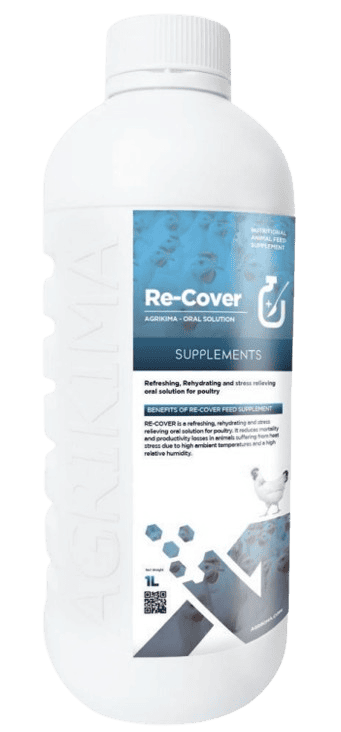
RE-COVER
An oral rehydration solution that can help support fluid and energy intake in kids and goats that are drinking or suckling poorly because of painful mouth sores, especially in hot weather. It is supportive care only, used alongside the vet's advice and proper milk feeding. It does not treat the orf virus.
View product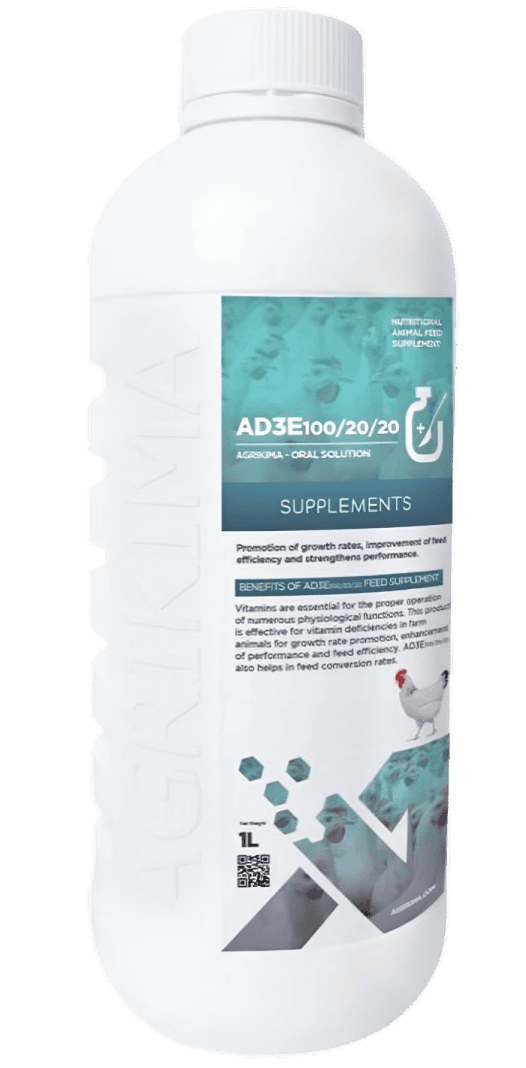
AD3E 100/20/20
Vitamins A, D3 and E support normal skin health and general resilience. Your vet or agrovet may advise them for thin or poorly fed goats during recovery, particularly in the dry season when green feed is scarce. This is a nutritional aid alongside good feeding and vet care, not a cure for orf.
View productPrevention
- Check every new goat carefully before buying, and keep new arrivals apart for at least three to four weeks before mixing them with your herd.
- Clean and disinfect pens, feed troughs and equipment after an outbreak. Remove and burn or bury bedding and scabs, because the virus survives for a long time in dry scab material.
- Reduce sharp, thorny browse and rough feed for young kids where possible, and avoid overcrowding at feeding and watering points, to limit scratches around the mouth.
- Keep goats in good body condition with good nutrition, minerals and regular deworming, so their skin and immune system are strong and sores heal faster.
- Ask your vet about orf vaccination. Live vaccines exist, but availability in Kenya varies. The vaccine contains live virus that can infect people and bring orf onto a clean farm, so it is normally only used on farms that already have the disease, under veterinary advice.
- Handle goats with gloves during outbreaks and wash hands and equipment between groups. This protects both people and the rest of the herd.
- Goats that recover usually have good protection for a while. Even so, keep a careful eye on each new crop of kids, because the virus often reappears on the same farm.
Risk to people
Orf is a zoonosis, meaning it can spread from goats to people. People usually catch it on the hands or fingers through cuts or scratches while handling infected goats, scabs, feeding bottles or contaminated equipment. It may also spread from the live vaccine. In people it causes one or a few firm, painful lumps that can blister and crust. The lump may be accompanied by mild fever or swollen glands in the armpit. It usually heals by itself over several weeks. People with weak immune systems, such as those on cancer treatment or with poorly controlled HIV, can have larger, slower-healing sores. To protect yourself, wear gloves when handling affected goats or their scabs, and cover any cuts. Wash your hands well with soap afterwards, and keep children from touching sick kids. Anyone who develops a sore on the hand after handling goats should see a health worker and mention contact with goats with orf. Spread from person to person is very rare.
Impact on your farm
Orf rarely kills adult goats, but it can cost a Kenyan farmer real money. Kids that cannot suckle or eat lose weight, grow slowly and sometimes die, especially when the sores become infected or maggots get in. Does with sore teats may refuse their kids, give less milk, or develop mastitis that can permanently damage an udder half. That hurts dairy goat keepers who depend on daily milk sales. Goats with visible scabs fetch lower prices or are turned away at markets. Sales may need to be delayed until they heal, and buyers may avoid a farm known to have orf. There is also the cost of vet visits, any treatment needed for complications, and time spent hand-feeding kids. Family members who catch orf on their hands may lose working days.
Outlook and recovery
The outlook is good for most goats. Uncomplicated sores normally dry and fall off within about three to four weeks, and the skin heals well. Recovery is slower, and the risk of death higher, in very young or weak kids that cannot feed. It is also worse when sores become infected with bacteria or maggots, when the sores spread inside the mouth or throat, and when does develop mastitis. Good nursing makes a big difference, especially making sure kids get milk, offering soft feed and watching closely for complications. Recovered goats usually have useful immunity for a period, though reinfection can occur and is generally milder.
Common questions
Will antibiotics cure orf?
No. Orf is caused by a virus, and antibiotics do not kill viruses. Most goats heal on their own in a few weeks. A vet may prescribe antibiotics only if bacteria have infected the sores or the udder, or if a kid develops pneumonia. Using antibiotics when they are not needed wastes money and helps create resistant bacteria.
Can I catch orf from my goats?
Yes. Orf commonly infects the hands of people who handle sick goats, bottle-feed kids or touch scabs. It causes a painful lump that usually heals in several weeks. Wear gloves, cover cuts and wash your hands with soap. See a health worker if you develop a sore, and tell them you have been handling goats with orf.
Is it safe to drink milk or eat meat from goats with orf?
Orf is mainly spread through skin contact, not through food. Still, milk from does with infected teats or mastitis should not be used, because it may be poor quality or contaminated. Always boil milk before use. If any goat has been treated with drugs, you must follow the withdrawal period your vet gives before using its milk or meat. Handle carcasses and skins with gloves.
Why does orf keep coming back on my farm every year?
The virus survives for months in scabs that fall onto bedding, soil and feeding areas. Each new group of kids that has never met the virus can then become infected. Thorough cleaning after an outbreak helps. So does removing old bedding, cutting down sharp browse for young kids, and quarantining new goats. Vaccination may be worth discussing with your vet on farms where orf returns regularly.
Should I scrape off the scabs or apply home remedies like used engine oil?
Do not scrape the scabs. This is painful, causes bleeding, slows healing and spreads the virus. Avoid engine oil, paraffin, battery acid or other harsh home remedies, which damage the skin and can poison the goat. Ask your vet whether a mild antiseptic or fly-repellent dressing is suitable.
Can goats with orf be sold or mixed with other goats?
It is best not to. Goats with scabs are infectious and will spread orf to other farms, and buyers often reject them. Keep affected goats at home and separate until the scabs have completely dropped off and the skin has healed. Then clean the pen before using it for other animals.
A guide, not a diagnosis. This page is general information to help you recognise problems early. Always confirm with a vet or animal health worker before treating.