What it is
The main bacteria are Mannheimia haemolytica and Pasteurella multocida, and sometimes a related germ called Bibersteinia trehalosi. Most healthy goats carry small numbers of these bacteria in the nose and tonsils without getting sick. When a goat is stressed, its natural defences in the airways weaken. Stress can come from a long lorry journey to market, sudden cold rain, chilly nights, weaning, overcrowding, dusty feed, or ammonia fumes from dirty bedding. A viral infection (such as PPR or other respiratory viruses) or lungworms can damage the lining of the airways first and open the way. The bacteria then multiply quickly and move down into the lungs. Mannheimia produces a toxin (a poison) that kills the white blood cells meant to fight infection. This causes the lung tissue to swell, fill with fluid and pus, and become firm and dark red, so the goat cannot take in enough oxygen. Sometimes a sticky layer called fibrin forms on the lung surface and sticks the lung to the chest wall. In young kids the bacteria can also enter the blood (septicaemia, meaning blood poisoning) and cause sudden death before obvious lung signs appear.
Which animals are most at risk
Kids, especially from birth to around six months and at weaning, are most at risk and are most likely to die suddenly. Goats that have just been transported, bought at market or mixed into a new herd are at high risk in the first two to three weeks. Thin, wormy or poorly fed goats, does around kidding, and goats recovering from another illness are also vulnerable. Outbreaks are common during the onset of the long and short rains, during cold spells in highland areas such as Nyandarua, Nyeri, Kericho and the Mt Kenya region, and in damp seasons when animals are housed. Dairy goats kept zero-grazed in closed, poorly aired sheds can suffer when bedding is wet and ammonia builds up. In pastoral systems, long treks, crowded night bomas and trucking to livestock markets are typical triggers. All breeds can be affected, including Small East African, Galla, Toggenburg, Saanen, Alpine and their crosses, though exotic dairy breeds kept in cold, damp housing may suffer more.
Signs to look for
Early signs
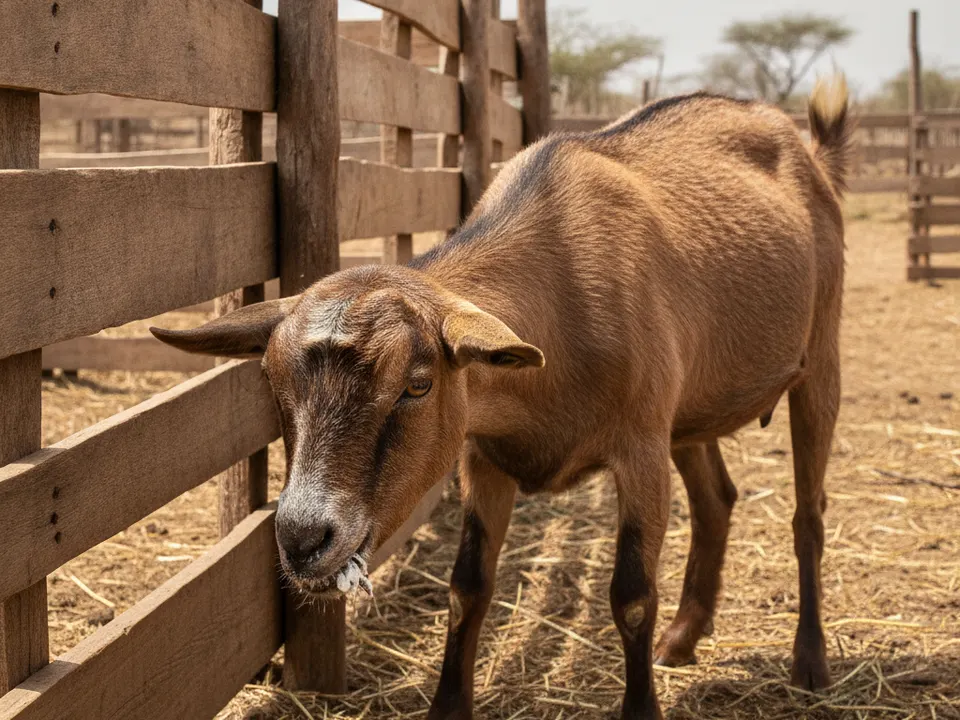
- The goat is dull, stands apart from the herd, with ears drooping and head held low.
- Appetite drops; the goat eats less, stops chewing the cud, and may drink less.
- Fever: the goat feels hot and a thermometer in the rectum often reads above about 40°C (normal for a goat is roughly 38.5–39.7°C).
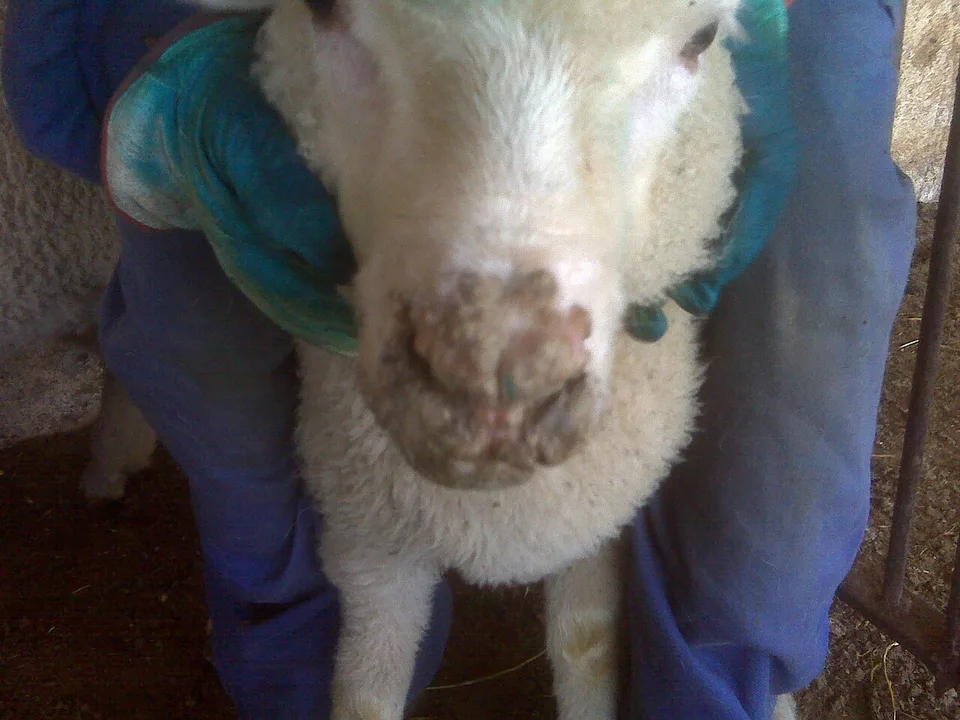
- Clear nasal discharge that soon becomes thick, white, yellow or green.
- Breathing is faster and shallower than normal, even when the goat is resting in the shade.
- An occasional moist cough, often heard when the goats are moved or first let out in the morning.
- Watery eyes and a slightly reduced milk yield in milking does.
As it gets worse
- Laboured breathing with the flanks heaving, mouth open, and sometimes a grunt with each breath.
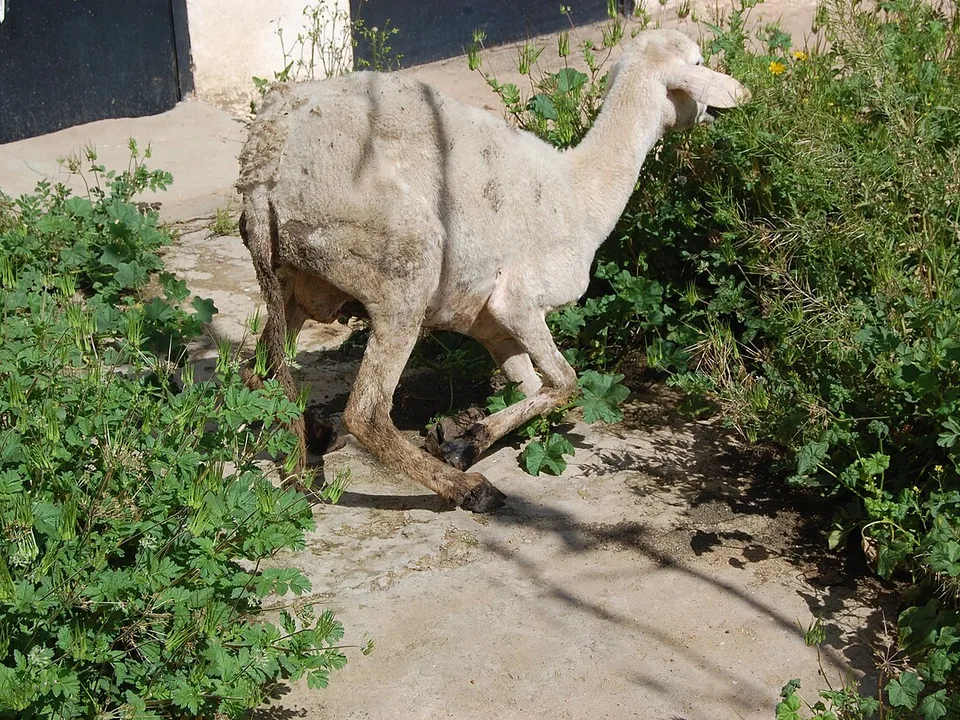
- The goat stands with neck stretched forward and elbows turned out to ease breathing, or lies down and refuses to rise.
- Frequent, deep or painful cough, with crusted pus around the nostrils.
- Marked weight loss, sunken eyes and dry skin from dehydration because the goat has stopped eating and drinking.
- Pale or bluish gums and tongue in severe cases, showing lack of oxygen.
- Temperature may fall below normal just before death, which is a very bad sign.
- Sudden death of kids or young goats, sometimes with frothy fluid at the nose, before clear signs were seen.
- Goats that survive without proper treatment may become chronic poor-doers with a lasting cough and stunted growth.
What to do right now
- Separate coughing, feverish or fast-breathing goats into a dry, clean pen away from the rest of the herd to reduce spread.
- Make the pen draught-free but well aired: block cold wind and rain, but keep openings high up so fresh air moves and ammonia escapes.
- Provide dry, clean bedding and remove wet, dirty bedding that gives off ammonia fumes.
- Give plenty of clean, fresh water that is not ice cold, and offer soft, tasty feed such as fresh leaves, good hay or a little dairy meal to encourage eating.
- Avoid moving, trucking, chasing or handling sick goats more than necessary, as stress and exertion worsen breathing.
- Take and record rectal temperatures of sick goats and any in-contact goats if you have a thermometer, and note breathing rate, appetite and number affected.
- Stop buying in, selling or moving goats until the vet has seen the herd, especially if several goats fell sick quickly, because CCPP or PPR must be ruled out.
- Call your vet or the County Veterinary Officer the same day; do not give antibiotics or other drugs left over from before without the vet's advice, and wash your hands after handling sick goats.
How it spreads
- Stress is the main trigger: transport, mixing goats from different sources, market visits, weaning, castration, dehorning and sudden changes in feed all weaken the goat's defences.
- Cold, wet and windy weather, especially at the start of the long and short rains and on cold highland nights, often comes just before outbreaks.
- Poorly ventilated, damp or overcrowded houses let germs build up in the air and allow ammonia from urine and dung to irritate the airways.
- Sick goats cough and sneeze bacteria into the air and onto feed troughs and water, so close contact in a shared pen spreads infection to the others.
- Newly bought goats that look healthy may carry the bacteria and shed them after the stress of the journey.
- Other diseases such as PPR, lungworm, heavy worm burdens, malnutrition and mineral or vitamin shortages lower resistance and make pneumonia more likely.
- Dust from dry hay, dusty kraals in the dry season and smoke from cooking fires near housing can irritate the lungs and set the stage for infection.
Could it be something else?
Contagious caprine pleuropneumonia (CCPP)
CCPP is caused by Mycoplasma capricolum subsp. capripneumoniae and is a notifiable disease in Kenya, so it must be reported. It spreads very fast through the whole herd, often with many goats sick within days and very high deaths in all ages. Goats show very high fever, severe painful breathing, grunting and standing with neck stretched out. At post-mortem one lung is often stuck to the ribs with thick straw-coloured fluid in the chest. Pasteurella pneumonia usually affects fewer goats, often after a clear stress, and responds better to treatment. Only a lab test can tell them apart for certain, so report any fast-spreading pneumonia to the County Veterinary Officer.
Peste des petits ruminants (PPR, goat plague)
PPR is a notifiable viral disease. As well as fever, cough and nasal discharge, goats get sores and dead skin on the gums, lips and tongue, bad-smelling breath, sticky eye discharge and severe watery diarrhoea. Pasteurella often follows PPR as a secondary infection, so a goat may have both. Antibiotics do not cure the PPR virus. Report suspected PPR immediately.
Lungworm infection
Lungworms cause a slow, persistent dry cough, gradual weight loss and mild breathing difficulty, often in goats grazing wet pastures. There is usually little or no fever and goats keep eating. The vet can find larvae in a dung sample. Heavy lungworm burdens can make goats more likely to get bacterial pneumonia.
Nasal bots (Oestrus ovis)
Fly larvae living in the nose cause sneezing, head shaking, rubbing the nose on the ground and a thick nasal discharge, sometimes with blood. Goats usually have no fever, breathe normally and keep eating. Signs are often worse in the hot, fly season.
How it is diagnosed
A vet will first look at the whole herd, ask about recent transport, purchases, weather and vaccinations, and then examine sick goats. They take the rectal temperature, count the breathing rate, and listen to the chest with a stethoscope for crackles, wheezes or silent areas where the lung is solid. Because CCPP and PPR can look similar and are notifiable, the vet may take nasal swabs, blood samples or fluid from the chest and send them to a laboratory such as the Central Veterinary Laboratories at Kabete or a regional veterinary lab for culture (growing the germ) or PCR (a DNA test). A post-mortem on a goat that has died is one of the most useful tools: pasteurellosis typically shows firm, dark red areas in the lower front parts of the lungs, sometimes with a fibrin coating, while CCPP often shows one-sided lung damage with a lot of straw-coloured fluid. Samples from the lung can confirm which germ is involved and which antibiotics will work. To help the vet, write down how many goats are sick and dead, when signs began, their ages, recent movements or purchases, vaccines and dewormers given, and any drugs already used. If a goat dies, keep the carcass in a cool, shaded place covered from dogs and flies, and call the vet quickly so samples are fresh.
Treatment
Pasteurella pneumonia is a bacterial infection, so a vet will usually prescribe an antibiotic. Commonly used options in goats include oxytetracycline, penicillin-based products (sometimes combined with streptomycin), florfenicol, and in some cases macrolides such as tulathromycin or tilmicosin, or ceftiofur. Note that tilmicosin can be dangerous if given wrongly and must only be used under strict vet direction. The vet chooses the drug, route and length of treatment based on the goat, the local resistance pattern and, where possible, lab results. Treatment must be prescribed by a vet; do not guess doses or stop the course early, because under-treatment and misuse of antibiotics breeds resistant bacteria (antimicrobial resistance) that make future outbreaks harder to control. The vet may also give an anti-inflammatory painkiller, such as meloxicam or flunixin, to bring down fever and lung swelling so the goat breathes and eats more easily. Severely affected goats may need fluids and supportive care. In an outbreak, the vet may advise treating in-contact goats that are already running a fever. Goats that are treated early, while still eating, often improve within one to three days, but a few may need a second course or a change of drug. Every antibiotic and anti-inflammatory has a withdrawal period, the time you must wait after the last treatment before milk or meat can be used for people. Ask the vet for the exact withdrawal times, write them down, mark treated goats, and do not sell or drink their milk or slaughter them before the time is up. If PPR or CCPP is involved, antibiotics may help with secondary bacteria, but they do not cure the PPR virus, and CCPP control is directed by the veterinary authorities.
Medicines must be prescribed and dosed by a vet. Always respect milk and meat withdrawal periods, and finish the full course of any antibiotic.
How Agrikima products can help
These support the animal alongside — never instead of — your vet's treatment, vaccination and good management.
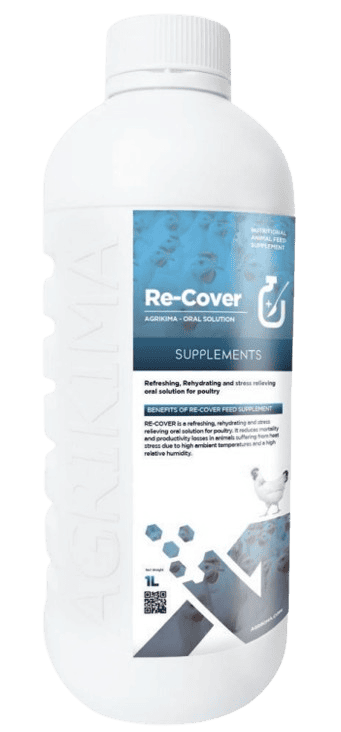
RE-COVER
Oral rehydration support for goats that are drinking and eating less because of fever and laboured breathing; it helps replace lost fluids and electrolytes during recovery, alongside vet-prescribed treatment and good nursing, and is not a cure for the infection.
View product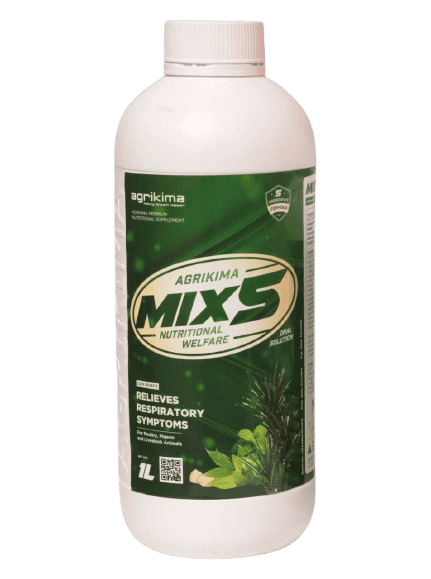
MIX5
A plant-extract supplement labelled to relieve respiratory problems and stress; it can be used as supportive care to help goats cope during recovery and in stressful periods such as after transport, but only alongside vet treatment, vaccination and improved housing, never as a replacement for antibiotics when the vet prescribes them.
View productPrevention
- Reduce transport stress: move goats in the cooler part of the day, avoid overcrowding vehicles, give water and rest on long journeys, and do not transport sick or weak goats.
- Quarantine newly bought goats for at least two to three weeks in a separate pen, watching for cough, fever and discharge before mixing them with your herd.
- Build or improve housing so it is dry, raised or well drained, protected from cold wind and rain, but with good airflow near the roof to remove ammonia and damp air.
- Clean out wet bedding and dung regularly, avoid overcrowding, and keep kids in a warm, dry, draught-free area, especially during cold nights and the rainy seasons.
- Feed well: good forage, clean water, and suitable minerals and vitamins keep the immune system strong; make sure newborn kids get colostrum (first milk) within the first hours of life.
- Vaccinate against PPR and CCPP as advised by your County Veterinary Officer, because these diseases cause severe lung problems and pave the way for Pasteurella; ask your vet whether a Pasteurella or Mannheimia vaccine is available and suitable for your area, as availability in Kenya varies.
- Control worms, lungworms and ticks with a regular programme planned with your vet or agrovet, because parasite-weakened goats are more likely to develop pneumonia.
- Plan stressful jobs such as weaning, castration and dehorning so they do not happen together or during cold, wet weather or just after transport.
Risk to people
Goat pneumonia caused by Mannheimia and Pasteurella is not considered a significant risk to people through normal contact. Pasteurella multocida can occasionally infect people through animal bites or scratches, and people with weak immune systems should take extra care. Wear gloves or wash hands well with soap after handling sick goats, nasal discharge or carcasses. The bigger human-health concern is drug residues: milk and meat from goats treated with antibiotics or anti-inflammatories must not be used until the withdrawal period given by the vet has passed, as residues can cause allergic reactions and help create antibiotic-resistant bacteria that affect people.
Impact on your farm
Pneumonia is one of the leading causes of kid deaths on Kenyan goat farms, and each lost kid is a lost future sale, breeding doe or source of milk. Sick goats stop eating and lose condition quickly, so meat goats take longer to reach market weight and fetch lower prices. Dairy goats can drop sharply in milk yield, and milk must be discarded during treatment withdrawal periods, cutting daily income. Treatment costs include the vet visit, antibiotics and anti-inflammatories, and labour for nursing sick animals. Goats that recover poorly may stay stunted with a chronic cough and become unprofitable. Traders and pastoralists who buy, truck and resell goats can lose several animals after a single stressful journey. An outbreak also raises the worry that CCPP or PPR may be present, which can lead to movement restrictions and lost market access until the vet rules these out.
Outlook and recovery
With early diagnosis and the right antibiotic from a vet, most goats with Pasteurella pneumonia recover, often showing improvement within a few days. The outlook is much poorer when treatment is delayed, when the goat has stopped eating and drinking, when the temperature has dropped below normal, or when breathing is very laboured. Young kids can die very quickly, sometimes before signs are noticed. Goats with another disease at the same time, such as PPR, CCPP, heavy worms or poor nutrition, are less likely to recover well. Some survivors keep permanent lung damage, with a chronic cough, poor growth and a higher chance of getting pneumonia again. Good nursing, a dry warm pen and fixing the stress that triggered the outbreak make a real difference to recovery.
Common questions
How do I know if it is ordinary pneumonia or CCPP?
You cannot be fully sure by looking. CCPP usually spreads very fast through the herd, makes many goats of all ages very sick within days, and kills many of them, with severe grunting and painful breathing. Ordinary Pasteurella pneumonia usually follows a clear stress such as transport or cold rain and affects fewer goats. Because CCPP is notifiable and very damaging, report any outbreak where several goats fall sick quickly to your County Veterinary Officer so samples can be tested.
Can I just buy an antibiotic at the agrovet and inject my goats?
It is best not to. Treatment must be prescribed by a vet, who will choose the right drug, confirm it is not CCPP or PPR, and tell you the correct course and withdrawal period. Wrong drugs, wrong doses or stopping too early waste money, can fail to save the goat, and build up antibiotic resistance on your farm. Call the vet early; a quick visit is often cheaper than losing goats.
Why do my goats get sick after I bring them from the market?
The journey, crowding, lack of water, mixing with strange goats and change of feed all stress the animals. Stress weakens the natural defences in the airways, so the Pasteurella bacteria they already carry can multiply and invade the lungs. This is why it is sometimes called shipping fever. Transport gently, give water and rest, and keep new goats in quarantine for two to three weeks.
Should I close the goat house completely to keep them warm?
No. Goats need protection from cold wind and rain, but a fully closed house traps damp air, germs and ammonia from urine, which damages the lungs. Close the lower walls on the windy side and keep openings high up near the roof so stale air can escape. Keep bedding dry and change it often.
Can a goat that recovered from pneumonia get it again?
Yes. Recovery does not give strong lasting protection, and goats with lung damage from a previous attack may be more likely to get sick again. Reducing stress, good housing, good feeding, parasite control and vaccinating against PPR and CCPP help lower the chance of repeat attacks.
Is it safe to drink milk from a goat that has pneumonia?
The pneumonia germ itself is not a major risk through milk, but sick goats often give poor milk and may be on drugs. If the goat has been treated with antibiotics or anti-inflammatories, throw away the milk until the withdrawal period given by your vet has passed. Always boil goat milk before drinking.
A guide, not a diagnosis. This page is general information to help you recognise problems early. Always confirm with a vet or animal health worker before treating.