Common Goat Diseases: Prevention and Treatment Guide

Understanding Common Goat Diseases
Goats are resilient animals, but they are still susceptible to various diseases that can impact their health and productivity. Understanding these diseases, their symptoms, prevention methods, and treatment options is essential for every goat farmer.
Common Goat Diseases
- Pneumonia in Goats: This respiratory disease is caused by bacterial or viral infections. Symptoms include coughing, nasal discharge, and labored breathing.
- Orf Goat Disease: This viral infection is characterized by sores around the mouth and face. It can cause pain and difficulty eating.
- Coccidiosis in Goats: Caused by protozoan parasites, coccidiosis leads to diarrhea, weight loss, and lethargy.
- Worm Infestations: Goats are prone to various internal parasites, which can lead to anemia, weight loss, and poor growth.
Prevention Strategies
Preventing goat diseases is often more effective than treating them. Here are some actionable tips:
1. Maintain Proper Hygiene
Regularly clean the goat housing and surrounding areas to minimize the risk of diseases. This includes removing manure and providing fresh bedding.
2. Vaccination
Vaccinate your goats against common diseases, including pneumonia and orf. Consult with a veterinarian to establish a vaccination schedule.
3. Nutritional Management
Provide a balanced diet that meets the nutritional needs of your goats. Quality veterinary supplements can enhance their immune system and overall health.
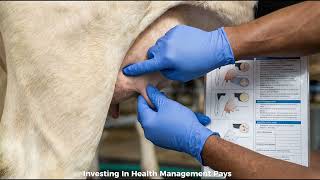
4. Regular Health Checks
Conduct regular health checks to identify any signs of illness early. Note any changes in behavior, appetite, or physical appearance.
5. Goat Deworming Schedule
Establish a goat deworming schedule to control parasites effectively. Typically, deworming every 6-8 weeks is recommended, but consult with your veterinarian for a tailored plan.
Treatment Options
Even with the best prevention methods, diseases can still occur. Here’s how to treat some common goat diseases:
1. Treatment for Pneumonia in Goats
If you notice symptoms of pneumonia, isolate the affected goat and consult a veterinarian. Antibiotics and anti-inflammatory medications may be necessary to treat the infection.
2. Managing Orf Goat Disease
For orf, keep the affected goat comfortable and provide soft food to eat. Antiseptic treatments can be applied to lesions, but consult a vet for the best course of action.
3. Coccidiosis Treatment
For coccidiosis, a veterinarian may prescribe anticoccidial medications. Ensure that the goat is well-hydrated and provide supportive care during recovery.
4. Goat Worm Control
For worm infestations, use appropriate deworming medications as per the goat deworming schedule. Monitor your goats regularly to prevent reinfestation.
Conclusion
By understanding common goat diseases and implementing effective prevention and treatment strategies, you can ensure the health and productivity of your herd. Remember, quality veterinary products and supplements play a crucial role in maintaining goat health. Regular consultation with a veterinarian will help you stay informed about the best practices for your goats.