Establishing Calliandra and Leucaena Protein Banks

Introduction to Fodder Protein Banks
In the quest for sustainable livestock farming, establishing fodder protein banks is a key strategy. Utilizing Calliandra and Leucaena, two highly nutritious protein forage shrubs, can significantly enhance livestock nutrition and productivity.
Understanding Calliandra and Leucaena
Calliandra calothyrsus is a fast-growing tree legume known for its nitrogen-fixing properties, making it a valuable asset in improving soil fertility and providing high-quality fodder. It is particularly beneficial for smallholder farmers due to its adaptability and growth rate.
Leucaena leucocephala, on the other hand, is recognized for its high protein content and versatility in agroforestry systems. This tree legume also fixes nitrogen, contributing to soil health while serving as a nutritious feed source.
Benefits of Establishing Protein Banks
- Enhanced Nutrition: Both Calliandra and Leucaena offer rich protein sources for livestock, especially during dry seasons when other forage options are limited.
- Improvement in Soil Quality: By fixing nitrogen in the soil, these trees enhance fertility, leading to better crop yields and healthier pastures.
- Cost-Effective Feed: Growing your own fodder reduces dependence on purchased feed, saving money in the long run.
- Environmental Benefits: These trees help in erosion control and provide shade, which can improve the overall farm ecosystem.
Steps to Establishing Calliandra and Leucaena Protein Banks
1. Site Selection
Choose a well-drained site with adequate sunlight. Both Calliandra and Leucaena thrive in a variety of soils but prefer rich, loamy soils with good drainage.
2. Soil Preparation
Prepare the soil by plowing and adding organic matter, such as compost or well-rotted manure, to enhance fertility. This step is crucial for optimal growth.
3. Planting
Plant Calliandra and Leucaena seeds or seedlings at the onset of the rainy season. The recommended spacing is about 2-3 meters apart to allow for proper growth and sunlight penetration.
4. Maintenance
Regular maintenance, including weeding and watering during dry spells, is essential. Fertilization with organic compost can also help in boosting growth.
5. Harvesting
Start harvesting the foliage once the plants reach a height of about 1.5 to 2 meters. Regular trimming encourages bushier growth and maximizes fodder production.
Incorporating Calliandra and Leucaena into Livestock Diets
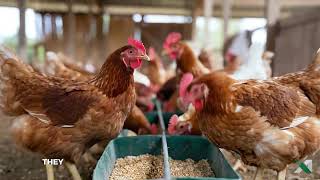
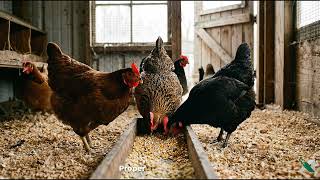
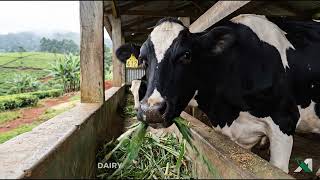
Both Calliandra and Leucaena can be fed to livestock fresh or dried. It's advisable to introduce these forages gradually into the diets of cows, goats, and poultry to prevent any digestive issues.
Utilizing Quality Veterinary Products
To maximize the benefits of your protein banks, consider integrating quality veterinary products and supplements from Agrikima. These can support animal health and enhance productivity, ensuring that your livestock fully benefit from the high-nutrient feed.
Conclusion
Establishing fodder protein banks using Calliandra and Leucaena is an effective strategy to enhance livestock nutrition and farm sustainability. By following the steps outlined above, you can create a reliable source of high-protein fodder that supports both animal health and environmental sustainability.
Your message to the team
Sources: Read More
- Calliandra calothyrsus: A Multipurpose Tree Legume — Food and Agriculture Organization (FAO)
- Leucaena leucocephala: A Versatile Tree Legume — Food and Agriculture Organization (FAO)
- Establishing Fodder Banks with Calliandra and Leucaena — International Livestock Research Institute (ILRI)
- Calliandra and Leucaena as Protein Sources for Livestock — Tropical Forages
- Leucaena: A Multipurpose Tree for Fodder and Soil Improvement — World Agroforestry Centre (ICRAF)
- Calliandra calothyrsus: A Suitable Fodder Tree for Smallholder Farmers — World Agroforestry Centre (ICRAF)