Gut Health: A Key to Reducing Antibiotic Use

The Link Between Gut Health and Antibiotic Reduction
In modern livestock and poultry farming, the need to minimize antibiotic use is more critical than ever. Not only does reducing antibiotics benefit the health of animals, but it also plays a significant role in combating antibiotic resistance. One of the most effective strategies for achieving this is by improving gut health, which can lead to a decreased reliance on antibiotics.
Understanding Gut Health
Gut health refers to the balance and functionality of microorganisms living in the digestive tract. A healthy gut microbiome supports digestion, nutrient absorption, and overall immune function. In livestock and poultry, a well-balanced gut microbiome can significantly reduce the incidence of diseases that typically necessitate antibiotic treatment.
The Role of the Microbiome in Animal Health
The gut microbiome is composed of various microorganisms that play a crucial role in the health of animals. When the microbiome is disturbed, often due to factors like stress or poor diet, it can lead to dysbiosis, which is an imbalance that may cause health issues. For instance, antibiotic-induced gut dysbiosis can lead to a decline in microbial diversity, creating an environment conducive to antibiotic-resistant strains.
Benefits of a Healthy Gut
- Improved Nutrient Absorption: A balanced microbiome enhances the digestion and absorption of nutrients, ensuring that animals receive the essential vitamins and minerals they need.
- Stronger Immune System: A healthy gut supports the immune system, helping animals resist infections without the need for antibiotics.
- Reduced Disease Incidence: Lower disease rates mean less reliance on antibiotics for treatment, ultimately leading to better animal welfare and fewer antibiotic residues in meat and dairy products.
Strategies to Enhance Gut Health
Farmers can take several practical steps to promote gut health in their livestock and poultry, ultimately reducing the need for antibiotics:
1. High-Fiber Diets
Feeding animals a diet rich in fiber is one of the most effective ways to promote gut health. High-fiber diets have been associated with a decrease in antibiotic resistance in gut bacteria, as they support microbial diversity and stability. Integrating natural feed additives that are high in fiber can help achieve this goal.
2. Probiotics and Prebiotics
Utilizing probiotics and prebiotics in animal diets can also contribute to a healthier gut microbiome. Probiotics introduce beneficial bacteria, while prebiotics provide nourishment for these bacteria, ensuring their growth and activity. Regular supplementation can help maintain a balanced gut environment, reducing the incidence of infections that require antibiotic intervention.
3. Regular Health Monitoring
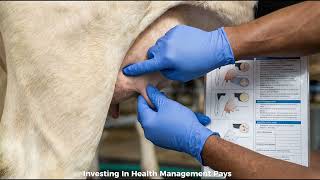
Monitoring the health of livestock and poultry is essential. Farmers should regularly check for signs of digestive distress, which can indicate an imbalance in gut health. Early detection of issues allows for timely intervention, potentially avoiding the need for antibiotics.
4. Stress Management
Stress can significantly impact gut health. Implementing practices that reduce stress—such as proper housing, socialization, and minimizing transport stress—can promote a more balanced microbiome. Ensuring that animals are comfortable and well-cared for supports their overall health and reduces the likelihood of disease.
5. Quality Veterinary Products
Investing in high-quality veterinary products, such as natural supplements designed to support gut health, can further enhance the effectiveness of these strategies. Agrikima offers a range of natural animal health solutions that can aid in maintaining a healthy gut microbiome.
Conclusion
Improving gut health is a powerful strategy for reducing antibiotic use in livestock and poultry farming. By focusing on dietary quality, probiotic and prebiotic supplementation, stress management, and regular health monitoring, farmers can foster a robust gut microbiome that enhances animal health and productivity. Not only does this benefit the animals, but it also supports public health by combating antibiotic resistance.
Your message to the team
Sources: Read More
- Diets High in Fiber Associated with Less Antibiotic Resistance in Gut Bacteria — USDA Agricultural Research Service
- Antibiotics and the gut microbiome: Understanding the impact on human health — ScienceDirect
- Antibiotic perturbations to the gut microbiome — Nature Reviews Microbiology
- Fiber supplementation protects from antibiotic-induced gut microbiome dysbiosis by modulating gut redox potential — Nature Communications
- Gut microbiota disturbance during antibiotic therapy: a multi-omic approach — PubMed
- Baseline microbiota composition modulates antibiotic-mediated effects on the gut microbiota and host — Microbiome