Mixing an Effective Footbath for Foot Rot in Sheep & Goats
Understanding Foot Rot in Sheep and Goats
Foot rot is a common and painful condition affecting sheep and goats, leading to lameness and distress. It is caused by a combination of bacterial infections often exacerbated by wet and muddy conditions. Effective management of foot rot includes regular hoof care and the use of footbaths to treat and prevent this disease.
Why Use a Footbath?
Footbaths play a vital role in hoof rot control by reducing the bacterial load on the hooves of infected animals. Regular foot bathing can help maintain hoof health and prevent the recurrence of foot rot, ensuring your sheep and goats remain healthy and productive.
Ingredients for an Effective Footbath
Two primary ingredients are commonly used in footbaths to control foot rot: zinc sulfate and copper sulfate. Both have proven effectiveness in treating foot rot in sheep and goats.
Zinc Sulfate Footbath
A 10% zinc sulfate solution is highly recommended for footbathing sheep and goats. This concentration is effective in treating existing infections and preventing new cases of foot rot. To prepare this solution:
- Fill a clean container with 10 liters of water.
- Add 1 kilogram of zinc sulfate to the water.
- Mix thoroughly until the zinc sulfate is completely dissolved.
Ensure that your animals stand in the footbath for at least 10-15 minutes for optimal effectiveness. This method should be repeated every two weeks, especially during wet weather or if foot rot is prevalent in your flock.
Copper Sulfate Footbath
Copper sulfate is another effective option, often utilized in a 5% solution. This can be particularly beneficial in conjunction with zinc sulfate to enhance foot rot control. The preparation steps are as follows:
- Fill a clean container with 10 liters of water.
- Add 0.5 kilograms of copper sulfate to the water.
- Mix well until fully dissolved.
Like the zinc sulfate bath, ensure animals stand in the copper sulfate footbath for an adequate duration. This method can be alternated with zinc sulfate treatments for comprehensive hoof care.
Tips for Mixing and Using Footbaths
Here are some practical tips for efficiently mixing and using footbaths:
- Choose the Right Location: Set up your footbath in a dry, clean area to prevent contamination.
- Use a Dedicated Container: Always use containers specifically for footbathing to avoid cross-contamination with other substances.
- Monitor Water Temperature: Warm water can help dissolve the chemicals more effectively, but ensure it isn’t too hot to burn the animals’ feet.
- Check for Allergic Reactions: After using a footbath, monitor your animals for any signs of irritation or allergic reactions.
- Maintain Cleanliness: Regularly clean the footbath area to avoid buildup of bacteria and contamination.
Integrating Footbaths into Your Hoof Care Routine
Incorporating footbaths into your regular hoof care routine is essential for effective hoof rot control. Here’s how you can integrate it:
- Inspect hooves regularly for early signs of foot rot.
- Schedule footbathing sessions during routine hoof trimming or health checks.
- Educate farm staff on the importance of hoof care and the proper use of footbaths.
- Consider the environmental conditions; increase the frequency of footbathing during wet seasons.
Quality Products for Hoof Care
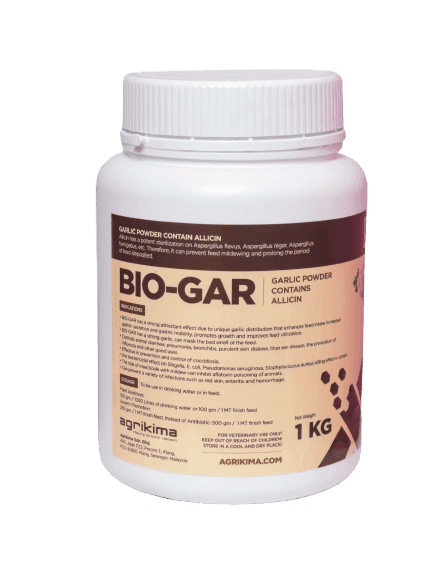
Investing in quality veterinary products and supplements can greatly enhance your hoof care strategy. Agrikima offers a range of natural animal health solutions that can aid in maintaining the overall health of your livestock, including supplements that support hoof integrity.
Conclusion
Mixing an effective footbath with zinc sulfate or copper sulfate is crucial for managing foot rot in sheep and goats. By regularly using these solutions, you can significantly reduce the incidence of foot rot, ensuring your animals remain healthy and productive. Remember to incorporate footbaths into your hoof care routine for optimal results.
Your message to the team
Sources: Read More
- Foot Rot in Sheep and Goats — Purdue University Extension
- Footrot in Sheep and Goats — USDA Animal and Plant Health Inspection Service
- Footrot in Sheep and Goats — New South Wales Department of Primary Industries
- Footrot in Sheep and Goats — Department of Primary Industries and Regional Development, Western Australia
- Footrot in Sheep and Goats — Queensland Department of Agriculture and Fisheries
- Footrot in Sheep and Goats — Agriculture Victoria