Pig Deworming and Parasite Control: A Practical Schedule
Understanding Internal Parasites in Pigs
Internal parasites are common in pigs and can lead to significant health issues if left unchecked. These parasites include roundworms, whipworms, and tapeworms, which can cause poor growth, anemia, and even death. Understanding the life cycle and impact of these internal parasites is crucial for effective pig deworming and parasite control.
Why Deworming is Essential for Pig Health
Deworming is a critical part of maintaining a pig health routine. Regular deworming not only improves growth performance but also enhances overall health and productivity. A strategic deworming schedule can help to minimize the risk of parasite infestations and improve feed efficiency.
Practical Deworming Schedule for Pigs
Establishing a practical deworming schedule is vital for effective parasite management. Below is a recommended schedule:
- Newborn Piglets: Deworm for the first time at 2-3 weeks of age using a safe swine deworming drug.
- Weaning Stage: Repeat deworming at weaning (around 6-8 weeks of age).
- Growing Pigs: Deworm every 3 months until they reach market weight.
- Breeding Stock: Deworm before breeding and again after farrowing to maintain health during gestation and lactation.
Choosing the Right Swine Deworming Drugs
Selecting appropriate swine deworming drugs is essential for effective parasite control. Consult with your veterinarian to choose the best options based on the specific parasites affecting your herd. Here are some common dewormers:
- Ivermectin: Effective against a wide range of parasites.
- Fenbendazole: Good for treating various internal parasites.
- Levamisole: Useful for controlling roundworms and lungworms.
Best Practices for Deworming
Implementing best practices can enhance the effectiveness of your deworming efforts:
- Rotate Dewormers: To prevent resistance, rotate between different classes of dewormers.
- Monitor Pig Health: Regularly assess the health and weight gain of pigs to determine the effectiveness of your deworming program.
- Maintain Clean Housing: Ensure that pig housing is clean and dry to minimize the risk of reinfection.
- Regular Fecal Testing: Conduct fecal tests to assess parasite load and adjust your deworming schedule accordingly.
Signs of Parasite Infestation
Being aware of the signs of parasite infestation is crucial for timely intervention:
- Weight loss despite a good appetite.
- Diarrhea or abnormal droppings.
- Weakness or lethargy.
- Unkempt coat or skin lesions.
Integrating Natural Remedies
In addition to pharmaceutical dewormers, consider integrating natural remedies for parasite control. Some farmers have found success using:
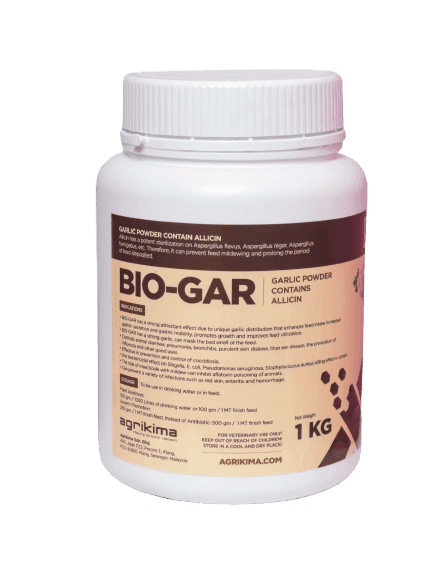
- Garlic: Known for its natural anti-parasitic properties.
- Pumpkin Seeds: Believed to help expel worms.
- Herbal Supplements: Various herbal blends can support immune function and help combat parasites.
Conclusion
Implementing a comprehensive pig deworming and parasite control schedule is essential for maintaining pig health and ensuring optimal growth. By understanding the importance of regular deworming, choosing the right products, and observing best practices, you can effectively manage internal parasites in your herd. Regular consultation with a veterinarian will further enhance your efforts in maintaining the health of your pigs.