Stopping Self-Heating in Maize and Soya Storage
Understanding Feed Ingredient Self-Heating Storage
Self-heating in feed ingredient storage, particularly in maize and soya, is a significant concern for farmers. It can lead to caking, spoilage, and loss of valuable nutrients, ultimately affecting the quality of the feed supplied to livestock. This article provides practical strategies for preventing self-heating and caking, ensuring that your feed remains safe and nutritious.
What Causes Self-Heating in Storage?
Self-heating is primarily caused by microbial activity and the respiration processes of grains, particularly when moisture levels are high. When grains are stored, they can generate heat as they continue to respire, especially if they contain more than 14% moisture. Here are some critical factors contributing to self-heating:
- High Moisture Content: Excess moisture promotes microbial growth, leading to fermentation and heat generation.
- Poor Ventilation: Insufficient airflow around stored grains can trap heat and humidity.
- Inadequate Storage Conditions: Using the wrong type of silo or bin can contribute to temperature and moisture issues.
Preventing Caking in Feed Bins
Caking occurs when moisture causes feed ingredients to clump together, making it difficult for farmers to handle and distribute feed. To prevent caking in feed bins, consider the following actions:
- Regular Monitoring: Check the moisture content of your grains regularly. Aim to keep it below 14% to reduce the risk of self-heating and caking.
- Use of Drying Agents: Incorporate drying agents or desiccants in your feed storage to absorb excess moisture.
- Proper Storage Techniques: Utilize sealed bins with proper insulation to minimize temperature fluctuations and moisture ingress.
Grain Moisture Management
Effective grain moisture management is crucial for preventing self-heating. Here are some strategies:
- Harvesting at the Right Time: Ensure that maize and soya are harvested when moisture levels are optimal (around 13-14%).
- Proper Drying: Use grain dryers to reduce moisture content to safe levels immediately after harvesting.
- Temperature Control: Monitor the temperature within your storage bins. If temperatures exceed 15°C, take action to cool the grains down.
Implementing Effective Silo Storage Practices
Effective silo storage practices are essential for maintaining the quality of maize and soya. Consider the following tips:
- Regular Inspections: Conduct regular inspections of your silos to identify any early signs of self-heating or moisture accumulation.
- Airflow Management: Ensure that your silos have effective airflow systems that can circulate air to prevent heat buildup.
- Use of Aeration: Aerate stored grains to maintain a uniform temperature and reduce moisture levels.
Utilizing Quality Veterinary Products and Supplements
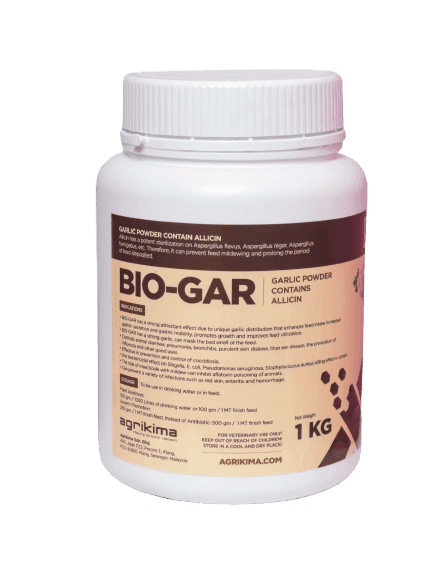
In addition to managing moisture and storage conditions, using quality veterinary products and supplements can enhance the overall health of your livestock. Products that support digestion and nutrient absorption can help mitigate the effects of lower-quality feed due to self-heating and caking. Consider incorporating supplements that promote gut health and improve feed efficiency.
Conclusion
Self-heating and caking in maize and soya storage can lead to significant losses for farmers. By implementing effective moisture management practices, monitoring storage conditions, and utilizing quality veterinary products, you can protect your feed ingredients and ensure the health of your livestock. Remember, an ounce of prevention is worth a pound of cure—take the necessary steps today to safeguard your silo.